Teaching Kids Chinese: Our Family's Journey & Essential Tips
Quick Summary
👶 Child's Age: Started at 2 years
🗣️ Languages: English, Polish, Swiss German, Mandarin
⏱️ Time Investment: 1 day/week playgroup
💰 Cost: Comparable to regular daycare
📈 Results: Natural comprehension after less than 2 years
🎯 Best For: Families interested in early language exposure
Living in Switzerland and juggling Polish, English, and Swiss German might seem like enough of a linguistic challenge for any family. Yet, we made the exciting decision to add Mandarin Chinese to our language mix.
Surprisingly, this wasn't my idea – despite being the language enthusiast in our household. Instead, it came from my husband, a native English speaker who's still working on his German after a decade in Switzerland.
Why We Chose Chinese For Our Toddler
The logic was simple: children have an incredible capacity for language learning that adults often lose. My husband's own experience trying to learn German as an adult made this crystal clear.
At the beginning were not specifically commited to Chinese — we wanted to try any language that is widely spoken and preferably different from the languages our daughter already knows. On the shortlist we had Arabic, Russian, Spanish and — of course — Mandarin Chinese that we eventually chose.
We actually started shortly after deciding to go on our first trip to China — it seemed like a natural choice.
And after having been there multiple times, and seeing the incredible developments and China‘s incredible future potential (in terms of economi, we were commited.
Why Learn Chinese? 5 Compelling Reasons
- Huge Native Speaker Base: With 1.4 billion native speakers who often don't speak English well, knowing Chinese opens up direct communication with nearly 20% of the world's population. This makes it incredibly practical for both business and travel.
- Unique Competitive Edge: While many Westerners speak Spanish, French, or German, relatively few master Chinese. This scarcity makes it a powerful differentiator in an increasingly global job market.
- Cultural Richness: China's culture spans thousands of years and continues to evolve rapidly. From ancient philosophy to modern entertainment, speaking Chinese gives you direct access to this rich cultural heritage without relying on translations.
- Rising Global Influence: China is rapidly emerging as a global superpower - not just economically, but in technology, culture, and innovation. Understanding Chinese puts you ahead of the curve in engaging with this influential force shaping our future.
- Best Learned Early: Chinese differs fundamentally from Western languages in its tones and writing system. Starting early makes these unique aspects feel natural rather than challenging - a significant advantage over learning it later in life.
 Magda Sawyer
Key Benefits We've Seen
- Natural language acquisition through play
- Early exposure to one of world's most important languages
- Cultural awareness from young age
- Foundation for future learning opportunities
How We Got Started
We replaced one day of regular daycare with a Chinese playgroup when our daughter was 2 years old.
Because of this, the commitment wasn‘t too scary. The cost was similar, and we figured we could always switch back if it didn't work out.
We started at the time when I was on maternity leave with our second daugter, so we knew that if it doesn‘t work out, we will temporarily reduce daycare to 2 days and replace Mandarin again with daycare whenever it is available.
First Month Tips:
- Expect some adjustment tears - this is normal!
- Keep the schedule consistent
- Don't force communication
- Let them observe and absorb naturally
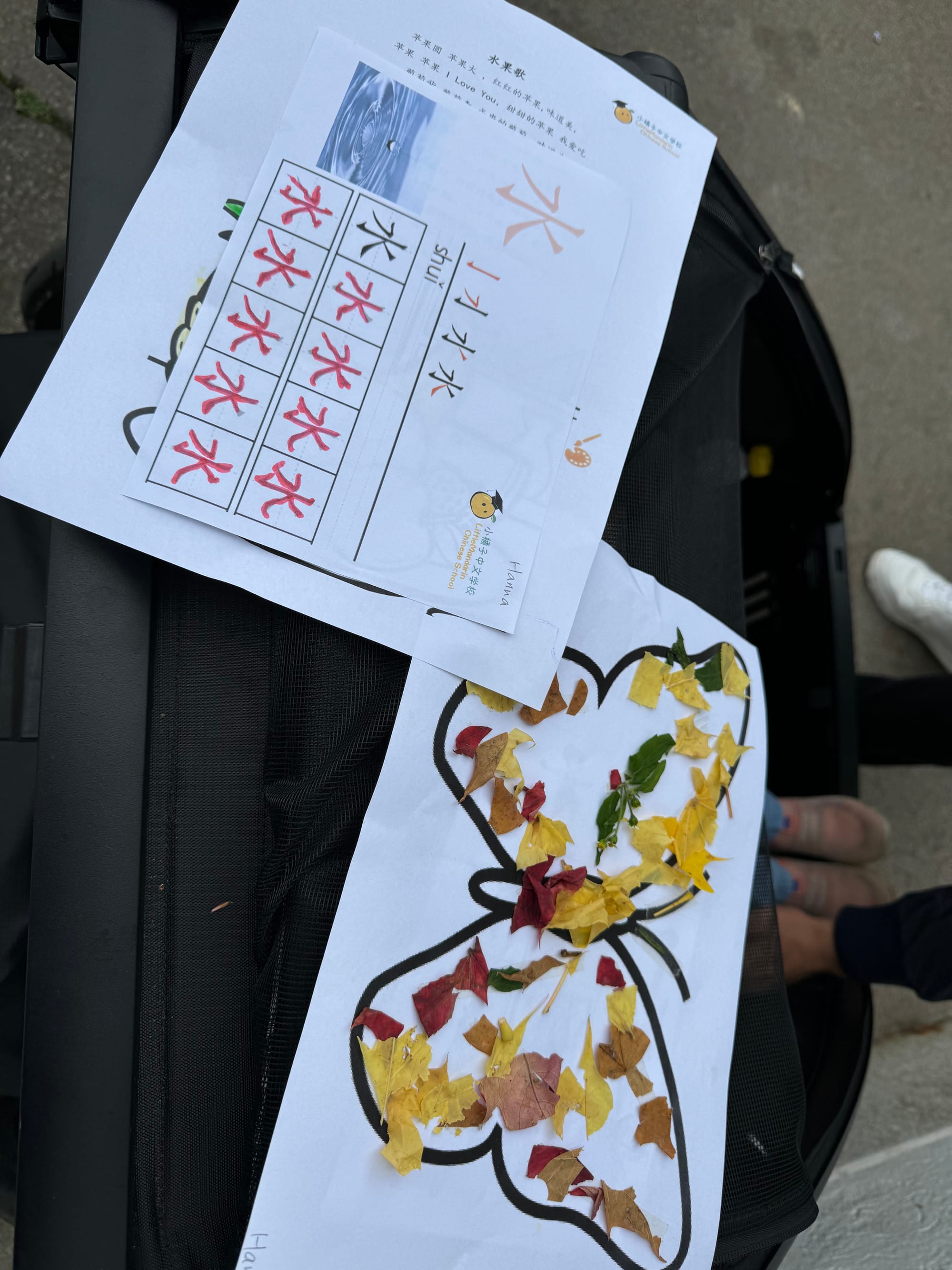
What Actually Worked For Us
While starting early exposure pretty much guarantees some level of language acquisition, it does not guarantee that the child will be interested in continuing and will enjoy the process.
After nearly two years, here's what made the biggest difference:
1. Consistent Exposure
- One full day of Chinese playgroup weekly
- Chinese songs at home
- Simple daily phrases in family life
- Cultural activities and celebrations
2. Family Involvement
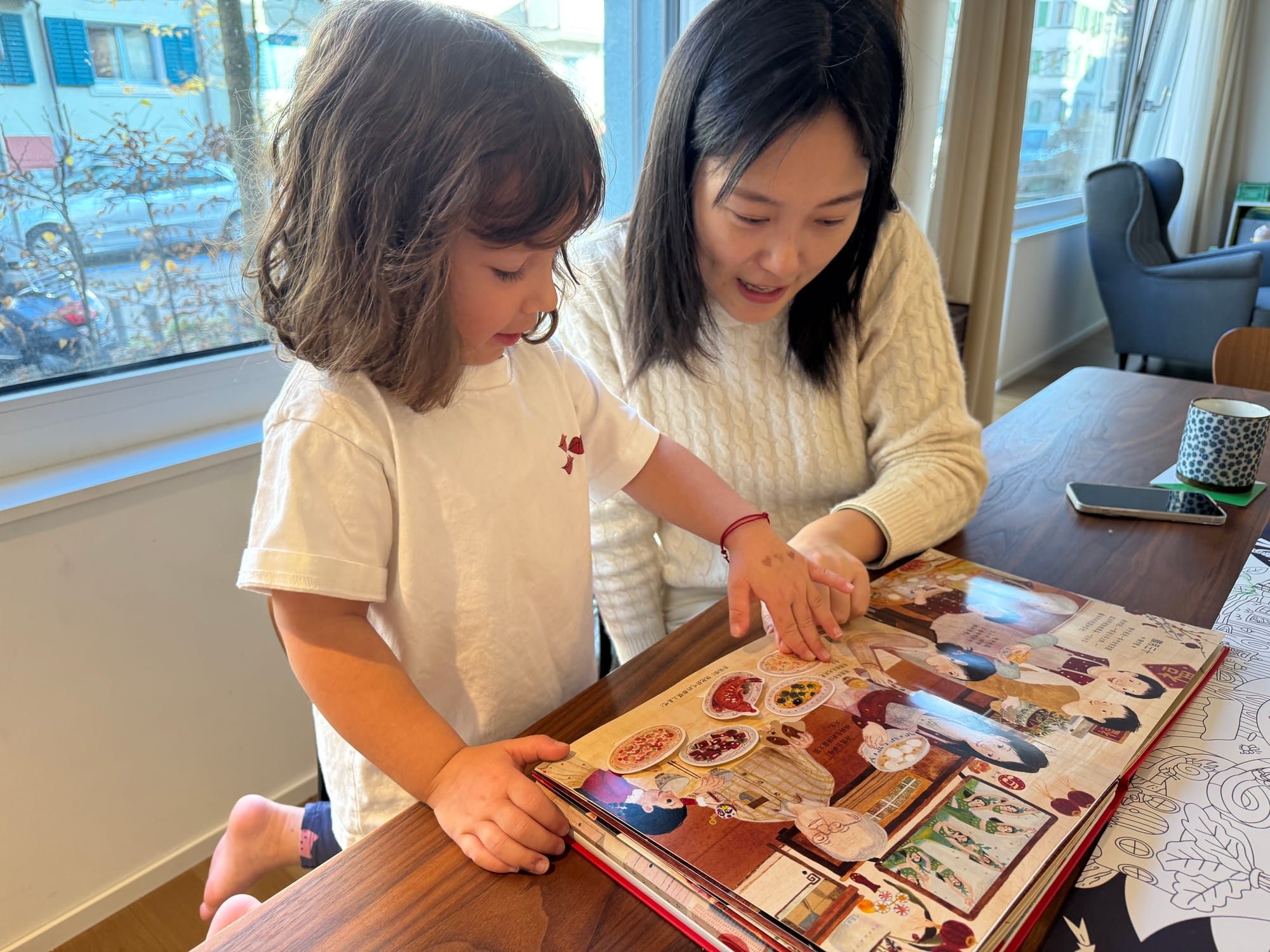
I started learning Mandarin myself, which had a huge impact. It became something we both do, creating a special bond.
Together with our younger daughter we started Chinese baby singing classes at the same school, making it a family activity.
My Mandarin understanding is very basic — my daughter is far ahead — but the fact that I can sing with her, read a little bit, and repeat words after her makes a huge difference.
3. Frequent travels and experiencing Chinese culture at home
The key was making our daughter understand that Chinese represents a different culture and is actually useful and interesting to learn.
One of the reasons we keep on coming back to China is that we see that it has a huge positive impact on her — every time we go there, she remembers the foods we ate and places we visited, and we even made friends there.
Of course travel is rather an expensive way to make the language seem “useful“. But it is not the only way.
Consider integrating Chinese culture and language in your life:
- Morning songs during breakfast
- Playgroups and activities
- Making friends with Chinese families living nearby
- Participating in locally hosted events (festivals, performances, exhibitions)
- Cooking Chinese food at home
Results After Two Years
Now, approaching age 4, our daughter:
- Responds naturally to Chinese instructions in short 2-3 words sentences
- Interacts more and more with Chinese speakers (friends and parents of Chinese friends)
- Shows pride in learning the language
- Maintains normal progress in other languages
It is important to know that passive understanding is much better than speaking abilities, and we have seen it in our daughter. Do not expect your child to be speaking a lot — that doesn‘t mean they don’t understand!
I have seen many times that our daughter doesn‘t want to repeat words in front of us, even though the teacher says she knows them all and was happy participating in the class.
Kids know when you are trying to show off their skills — and very often they don‘t want to be treated like a monkey, which is a good thing!
Important Note: We haven't seen any negative impact on her other languages. While her vocabulary might be more limited in each language initially, she communicates clearly in all of them.
Tips for Parents Considering Chinese
Do:
- Start with playgroups or immersive activities
- Make it fun and natural
- Use songs and games
- Get involved yourself if possible
- Connect with native speakers
Don't:
- Force communication
- Worry about perfect pronunciation
- Compare with other children
- Stress about immediate results
- Create pressure to perform
Practical Resources We Use
Daily Learning:
- Chinese songs playlist
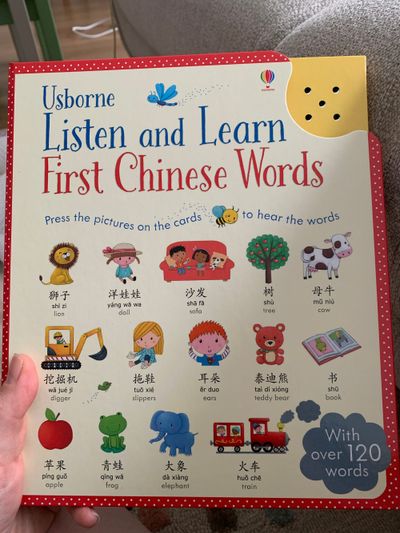
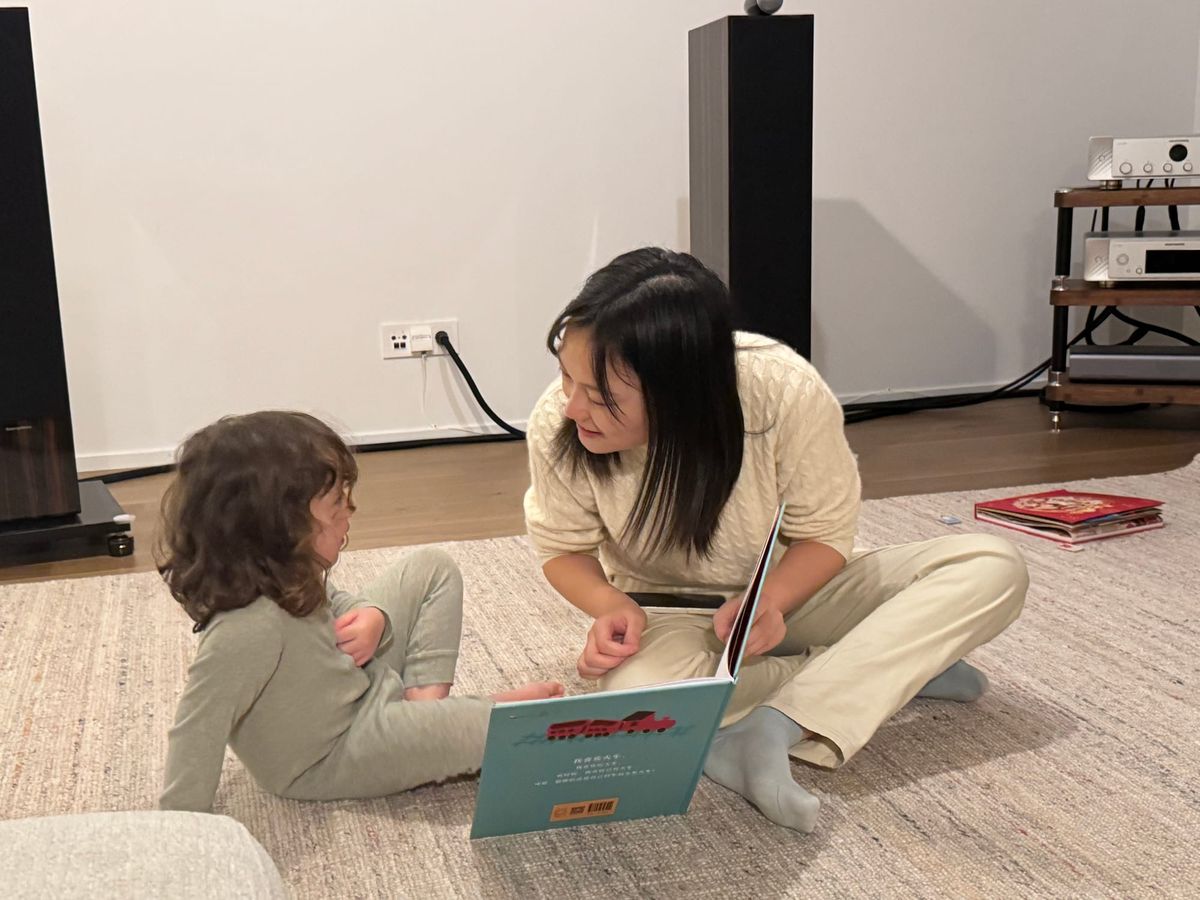
- Children's books in Chinese
- Simple flashcards
- Books that make sounds
Local Resources:
- Chinese playgroups
- Cultural events
- Language classes
- Community activities
Want more research-based tips on raising multilingual children?
✏️ Practical Language Tips: Real strategies that work with young children
🌍 Cultural Activities: Fun ways to engage kids with new languages
💡 Expert Insights: Latest research on multilingual development
🎯 Resource Reviews: Best books, apps, and learning materials
Join our community:
FAQs
Q: Will learning Chinese affect other language development? A: In our experience, no. Our daughter communicates clearly in all her languages. Especially if your child is monolingual, one additional language at a moderate exposure will not have negative impact.
Q: Is it worth the investment? A: For us, absolutely. The cost was similar to regular daycare, but with added language benefits. Investing now will save you tone of money (and TIME!) later
Q: Do parents need to speak Chinese? A: No! We started with zero Chinese knowledge and learned alongside our daughter. It definitely helps if parents make an effort themselves — and after all, if you think it is worth for your child to learn, it is probably also worth for you too!
Q: What's the best age to start? A: We started at 2, but any age can work. Earlier exposure can make the process more natural. Our younger daughter started at 10 months with singing and already now she can repeat some words and simple commands (body parts, food, animals etc)
Ready to Start Your Chinese Journey?
First Steps:
- Research local Chinese playgroups
- Create a playlist of Chinese children's songs
- Look for family-friendly cultural events
- Connect with other families learning Chinese
 Magda Sawyer
 Magda Sawyer