Western Sichuan and Qinghai: A road trip from Chengdu to Xining
Quick summary
Route: Chengdu to Xining through Western Sichuan's Tibetan areas and Qinghai
Length: 12 days, with at least 3 hours of driving every day
Travelling with: our kids, aged 3.5 and 5.5
Organised by: Eastogo, with a private car and driver
Altitude: up to around 4,000 m. It was completely fine for the kids, and sometimes harder for us.
Highlights: a nomad homestay in the Tagong Grasslands, the artisan village of Maisu, the printing house in Dege, and Yushu
Can you do it independently? Not easily. This route really needs a car and a driver.
Disclosure: this trip was a collaboration with Eastogo, where they partly covered the costs of the trip.
Although we have already travelled to China with the kids a few times, we have always stuck to cities and regions you can reach by train or a short bus ride.
But China has so much more to offer, and some regions are impossible to explore by public transport. The distances between towns are vast and connections are infrequent.
And if you're looking for somewhere in China to escape the summer heat, there aren't many options. Thanks to the high altitude, though, temperatures on the Tibetan Plateau stay cool.
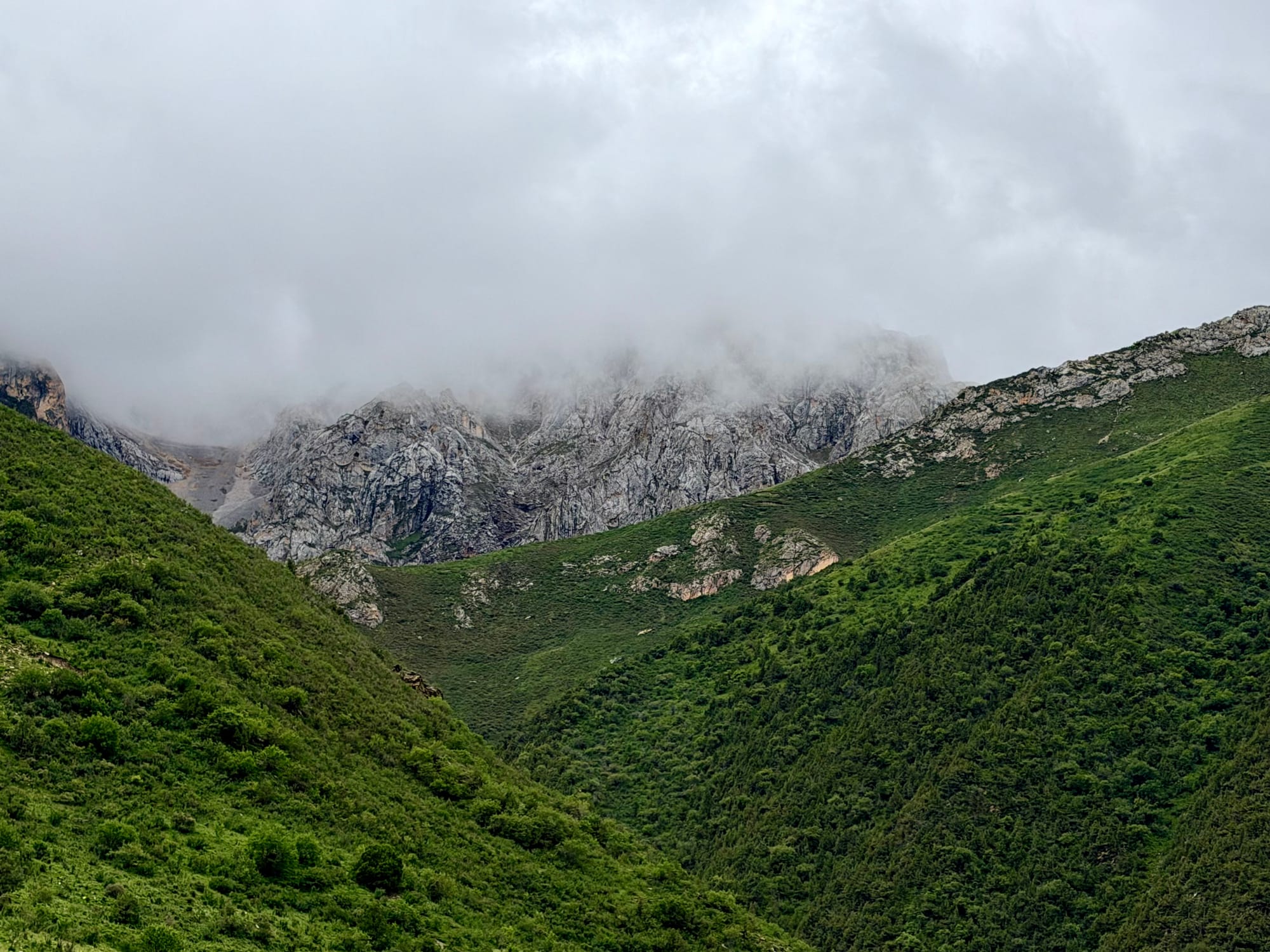
Travelling around Western Sichuan is a unique experience. These are mostly sparsely populated areas, dominated by Tibetan culture.
Many Western travellers are fascinated by Tibetan Buddhism, but visiting Tibet requires a permit and travelling on a tour or with a guide.
Western Sichuan is different. There are still some restricted areas that may require a permit or are off limits to Western (or all) tourists, but you are free to explore the rest of the region on your own.
The remoteness does pose a challenge: you definitely need a car, and as a foreigner, the easiest option is a car with a driver.
But less accessibility also means fewer tourists, and in places almost none. Tibetan culture is much better preserved here. Many locals practise Buddhism and gather in the evening to dance traditional Tibetan dances.
Our route: Chengdu to Xining
Chengdu → Panda Valley & Zhonglu → Tagong → Litang → Cuoka Lake & Xinlong → Baiyu → Katok Monastery & Maisu → Dege → Dzogchen & Sershul Monasteries → Yushu → Xining
Panda Valley and Zhonglu Tibetan Village. Pandas first, then a night in a Tibetan village with spectacular views.
Tagong. Monasteries and a stay in town.
Tagong Grasslands. A nomad homestay and a local horse festival.
Litang. One of the highest towns in the world, at around 4,000 m, with a beautiful and lively (if slightly touristy) old town.
Cuoka Lake and Xinlong. A sacred lake on a quiet road.
Baiyu. A small town built around Baiyu Monastery, with a recently built Tibetan museum.
Katok Monastery and Maisu. A mountainside monastery, then our favourite stop: a Tibetan artisan village.
Dege. Home to a historic printing house that is still in operation.
Dzogchen and Sershul Monasteries. Two great monasteries on the road north to Qinghai.
Yushu. A lively, remote town with a warm welcome.
Xining. The capital of Qinghai province, where Tibetan Buddhism and Islam meet in a unique melting pot of cultures, with amazing food.
Why we didn't do it on our own
I love planning our China trips myself, but this is one route where I'm glad I didn't. There's no train, buses are infrequent, and some drives take a full day. As a foreigner, you can't simply rent a car without a Chinese driving licence. In remote Tibetan areas, some places are off limits for tourists, so having a company organising it is also helpful.
Eastogo organised the whole trip for us: the car and driver, hotels that accept foreigners, and experiences we could never have arranged ourselves, like the nomad homestay in Tagong. The best part was the freedom. We always decided for ourselves when to leave and how long to stay somewhere, which with kids is exactly what you need.
Good to know before you go
Trip length. We planned 14 days but finished in 12. On the way to Xining we realised there was nothing worth an overnight stop between Yushu and Xining, so we skipped the last two stops and replanned along the route.
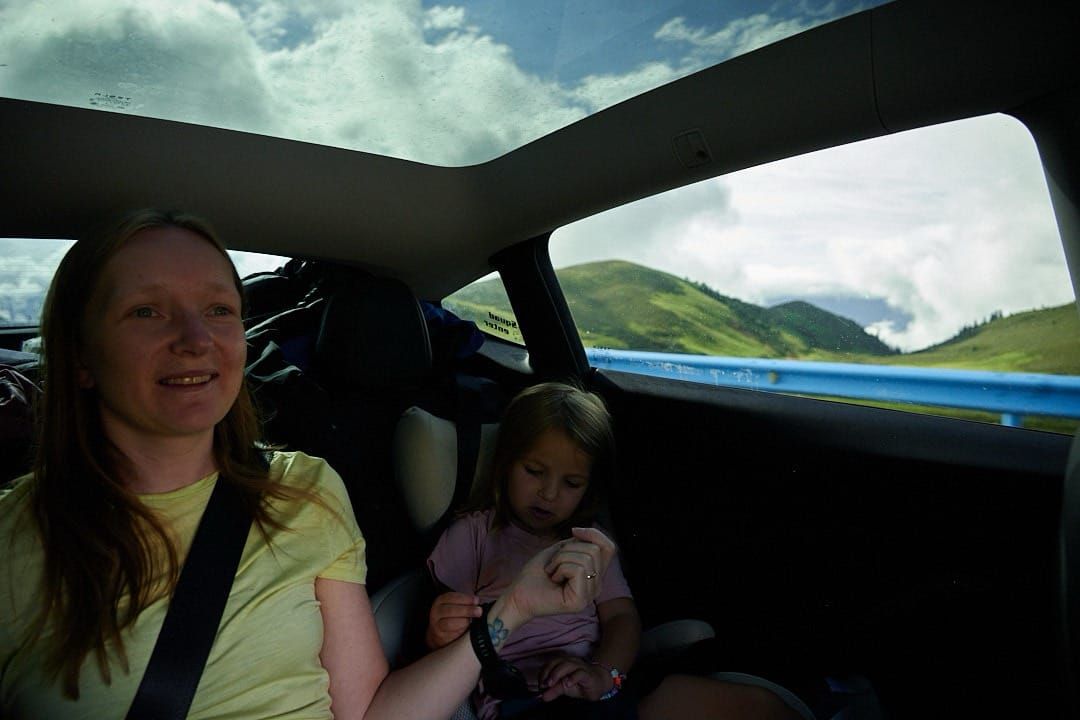
Driving. Driving times varied, but we drove at least 3 hours every day, and we usually left very early. Yushu to Xining took 9 hours of driving and pretty much the whole day with breaks. It was tough, but better than driving 3–4 hours every day only to arrive somewhere with nothing to do.
Pacing. Looking back, we would have preferred longer drives when needed in exchange for two-night stops in the best places. We had asked for as little driving as possible, and that is exactly what we got. So if you prefer fewer, longer stays, say so clearly and double-check the plan before you go.
Altitude. Altitude was completely fine for the kids. For us it was sometimes tougher, especially when we had to carry the little one.
Packing. Pack layers. Even in summer you can get rain and mud, and in some places it's only a few degrees.
With kids. The kids enjoyed the trip even more than we expected. They loved visiting monasteries and turning prayer wheels, and the stay with the nomads was a real highlight. We also found small treats along the way, like a Peppa Pig bouncy castle in Litang and a small indoor playground next to a supermarket in Xinlong. Small things, but they kept them entertained.
Our personal favourites
Sichuan Opera in Chengdu
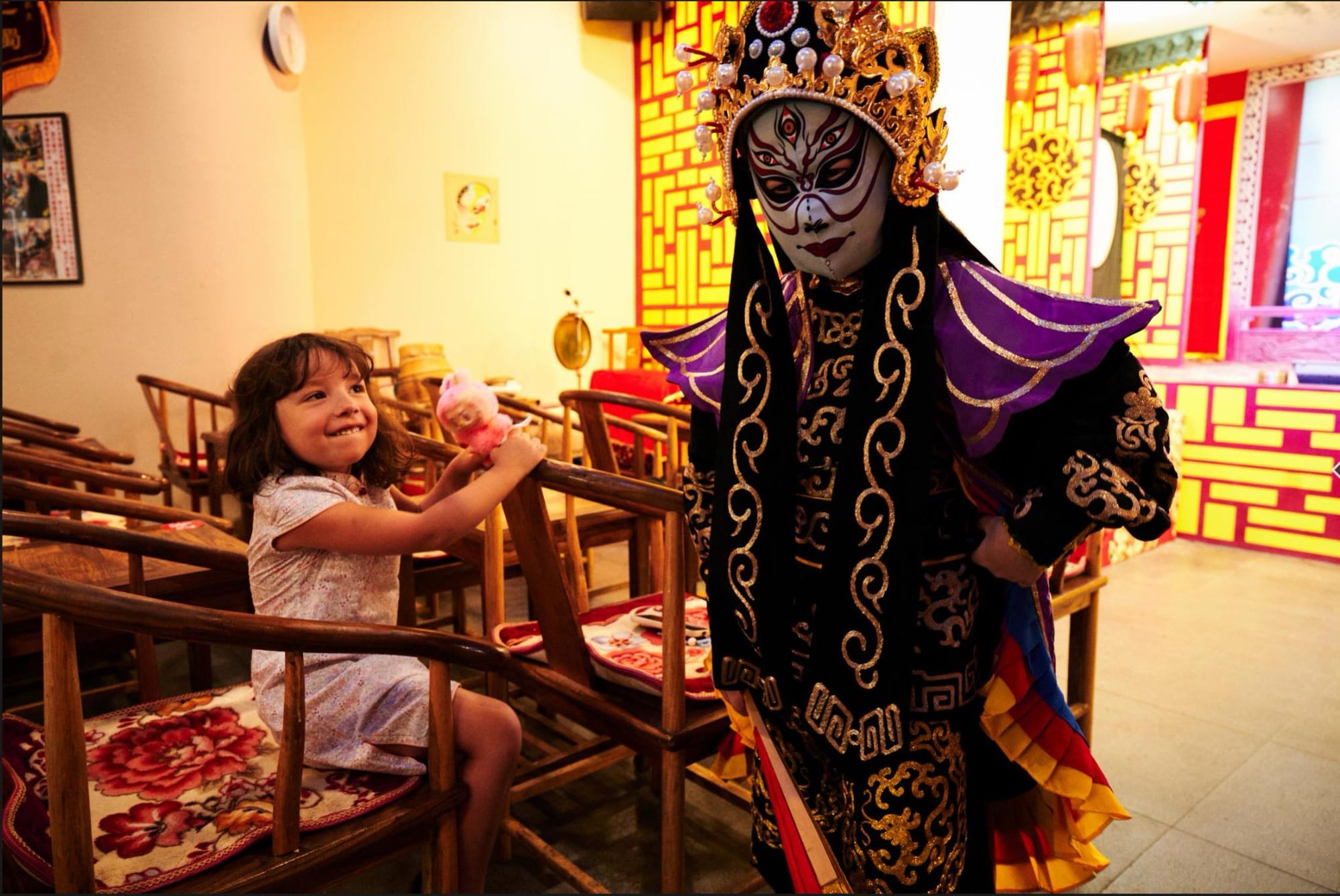
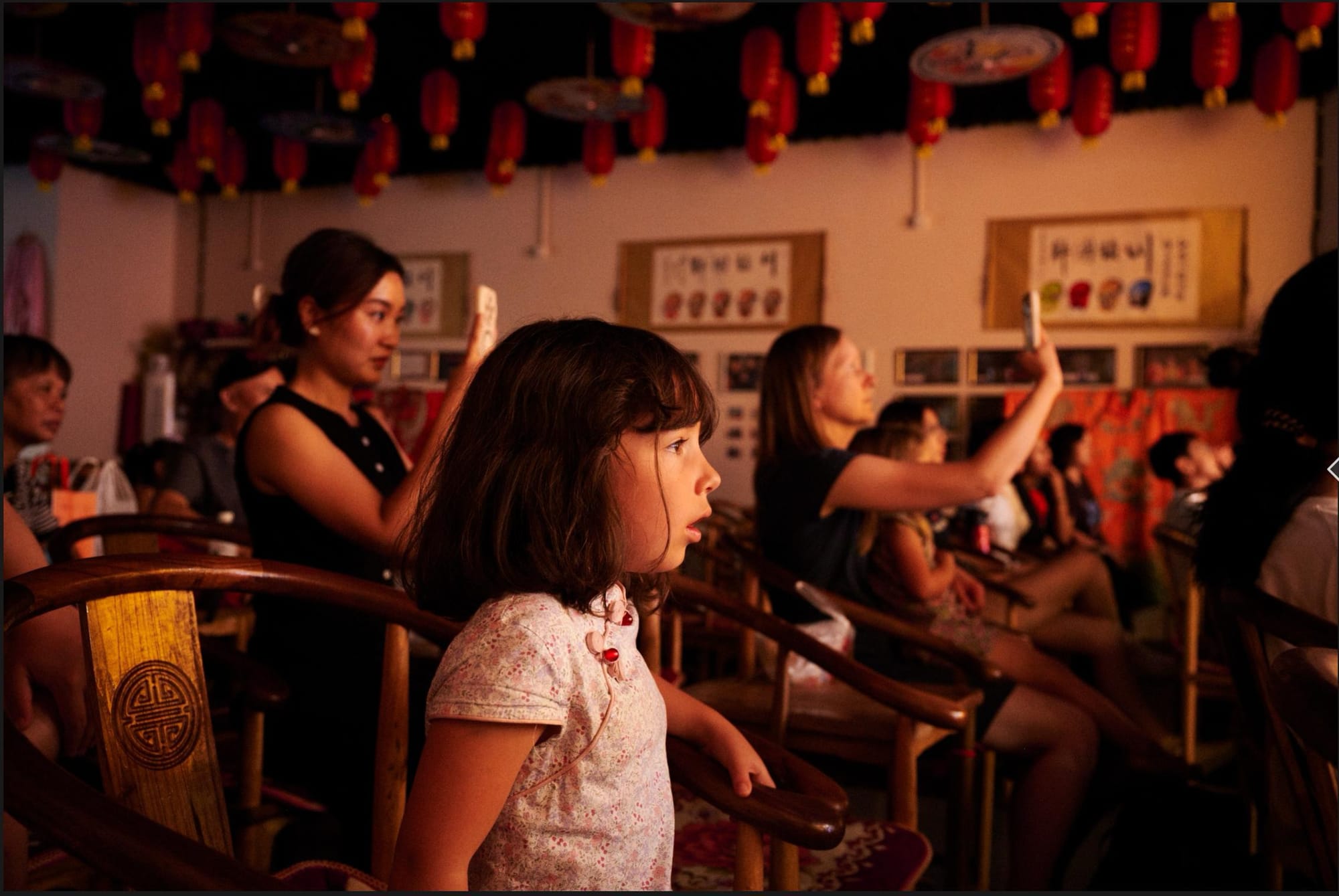
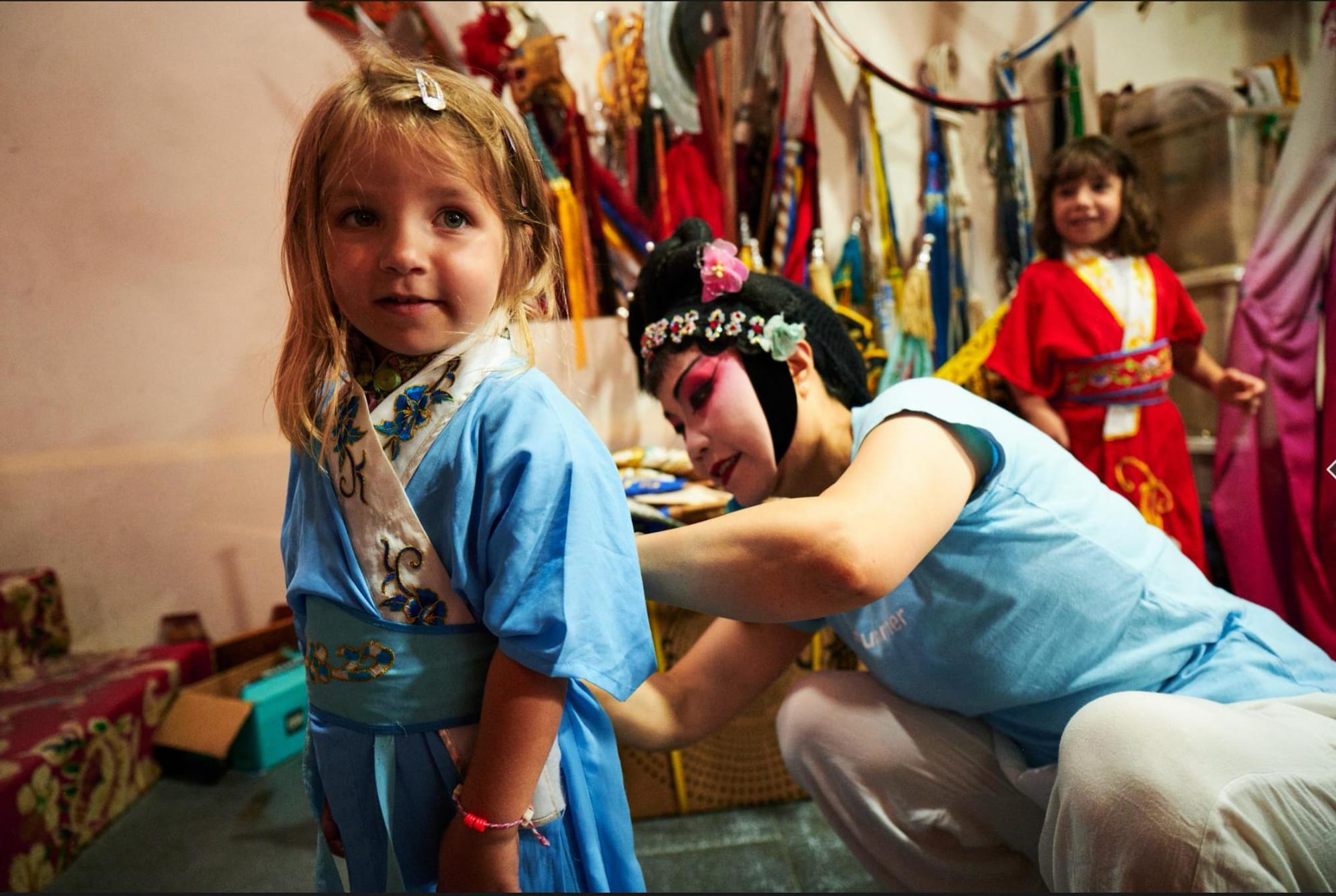
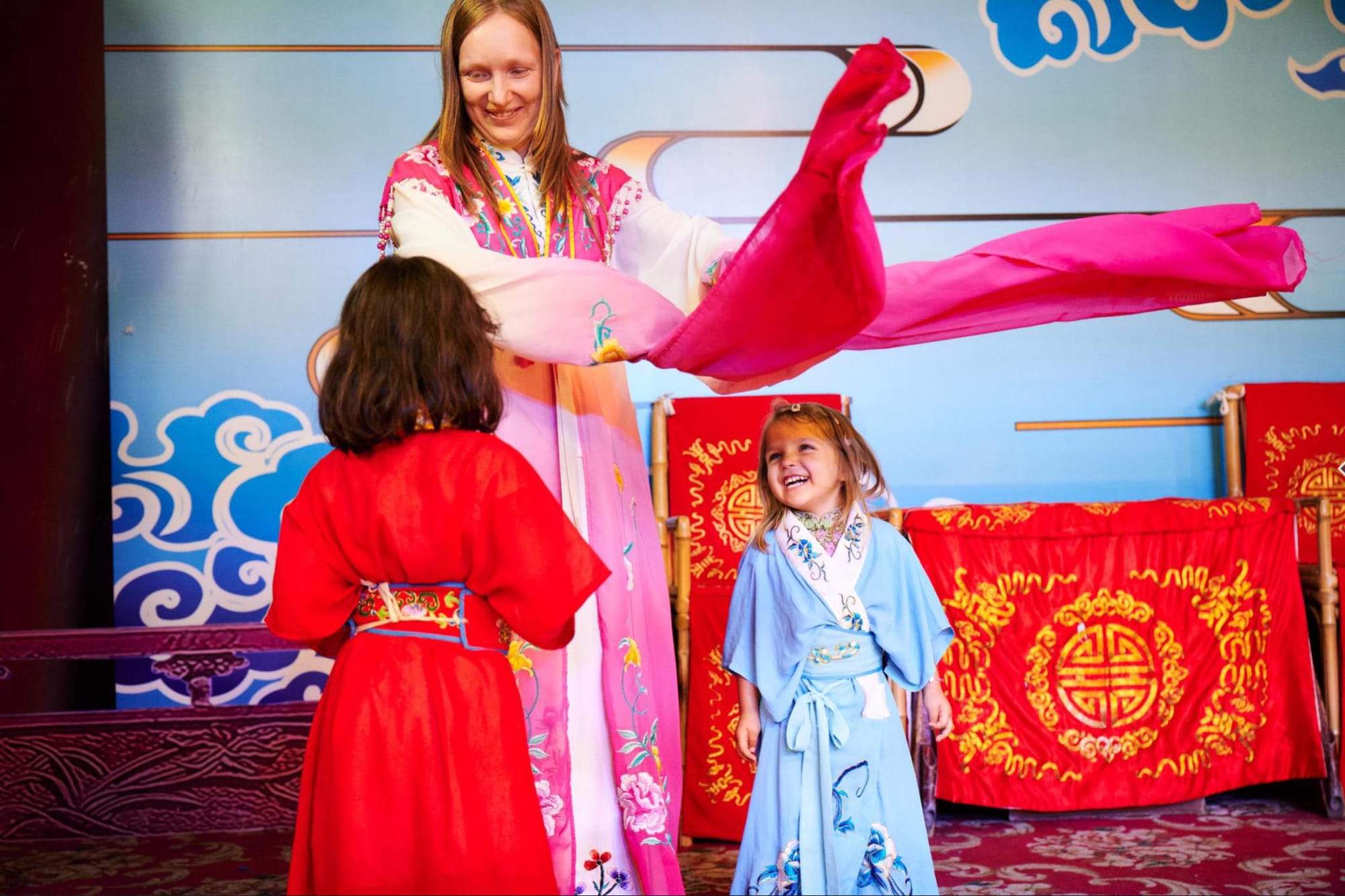
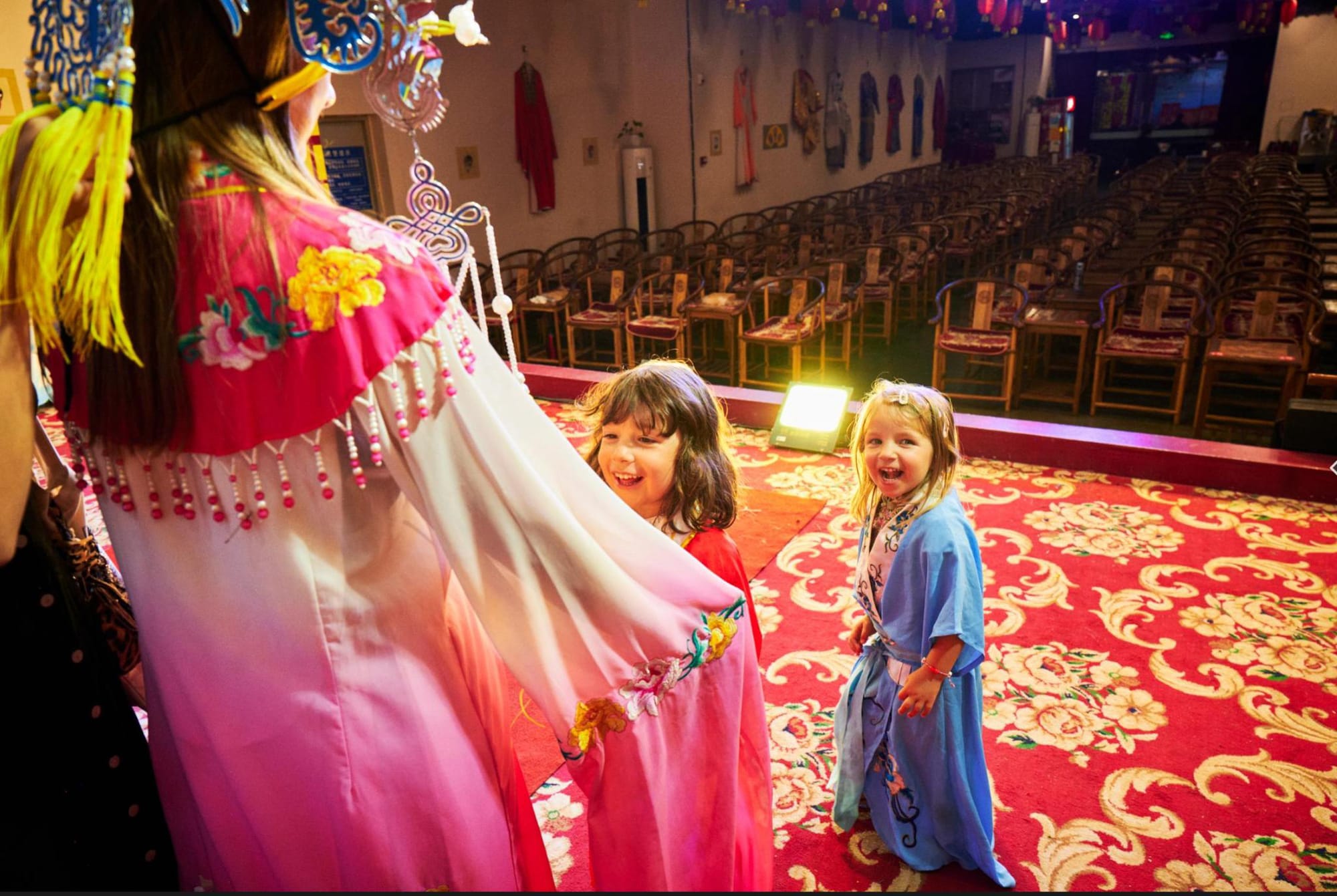
We have seen Sichuan Opera performance in Chengdu few times already, but this one was special, because Eastogo was able to arrange a behind the scenes experience to watch performers prepare, as well as interview them. It was a truly unique experience.
We met a boy that was only 10 years old and has started learning bian lian ("face changing") art when he was 7 years old and is already been performing on stage almost everyday – it was a very special encounter for our daughters to see that someone not much older than them is already following his passion and training with such high determination.
Nomad homestay in the Tagong Grasslands
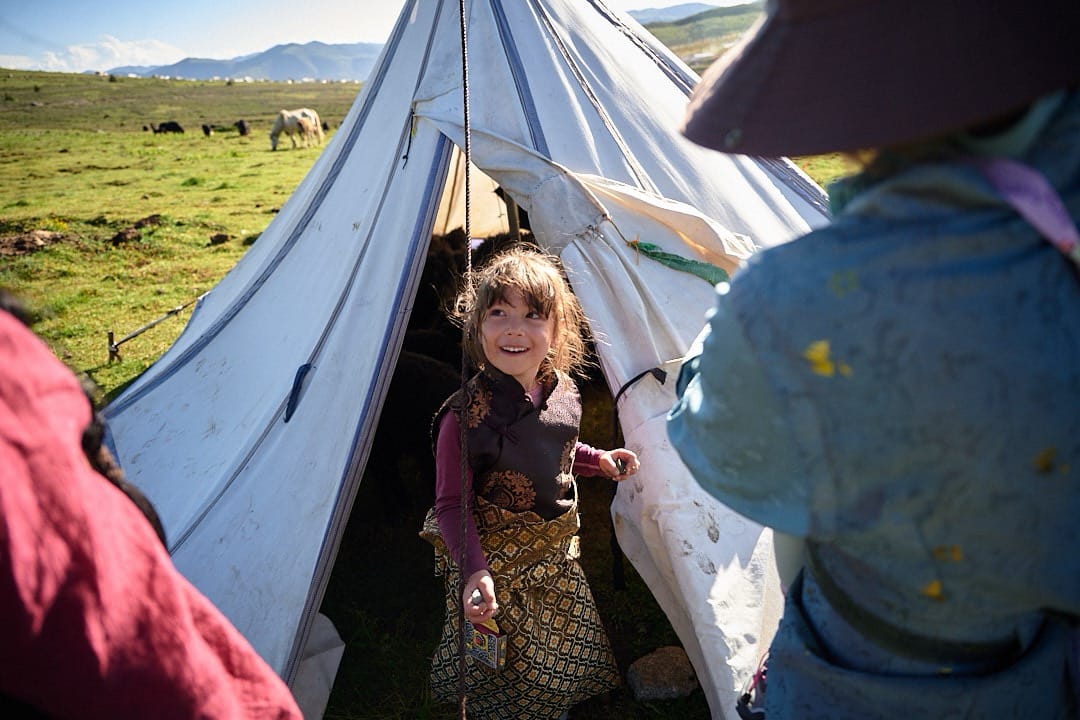
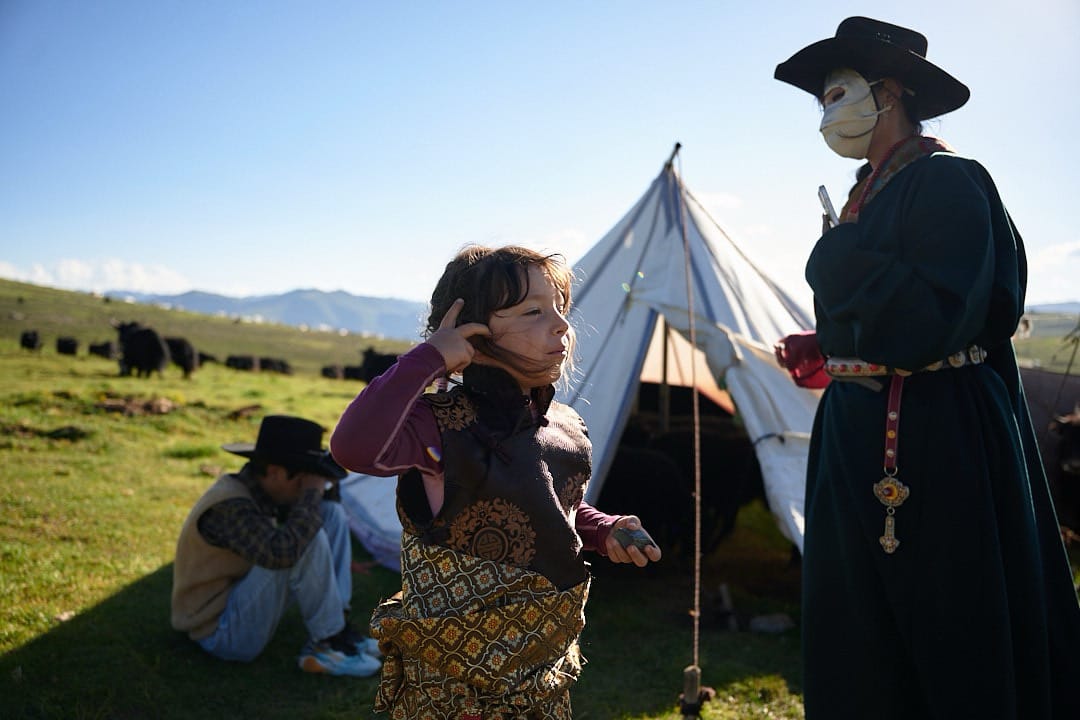
Most tourists curious about nomadic life either do a day trip to meet the nomads or stay in yurts converted into hotels. We didn't want either. It's far more interesting to stay with the nomads and sleep in their tent, and Eastogo arranged for us to stay with the family of a local guide from Tagong.
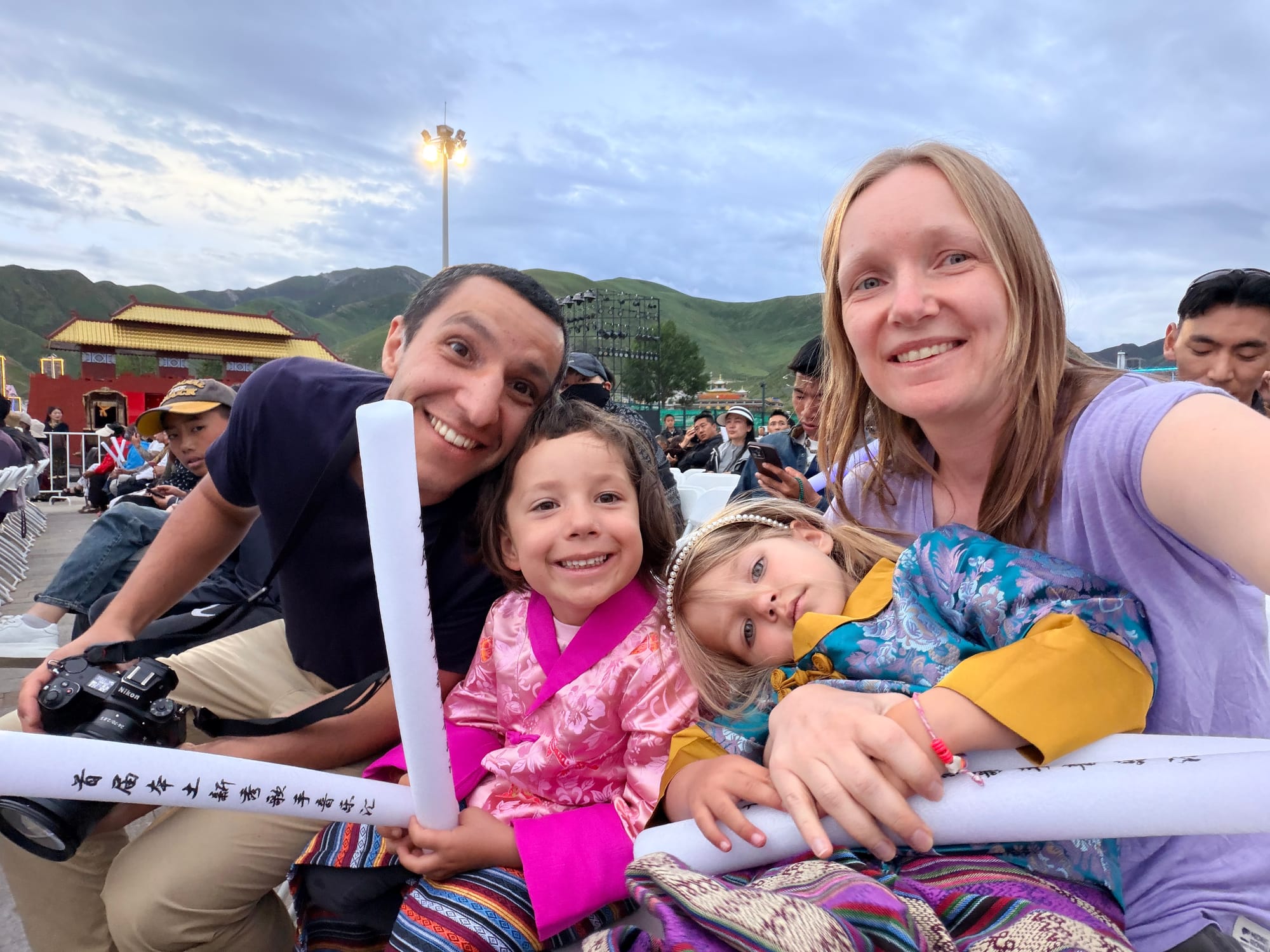
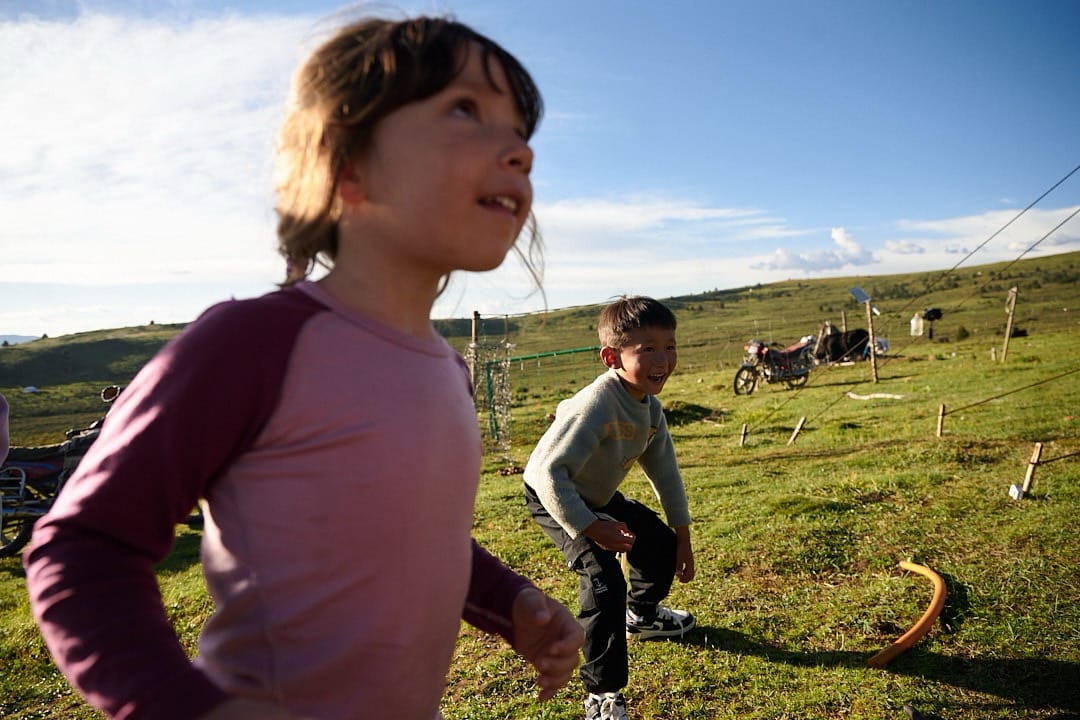
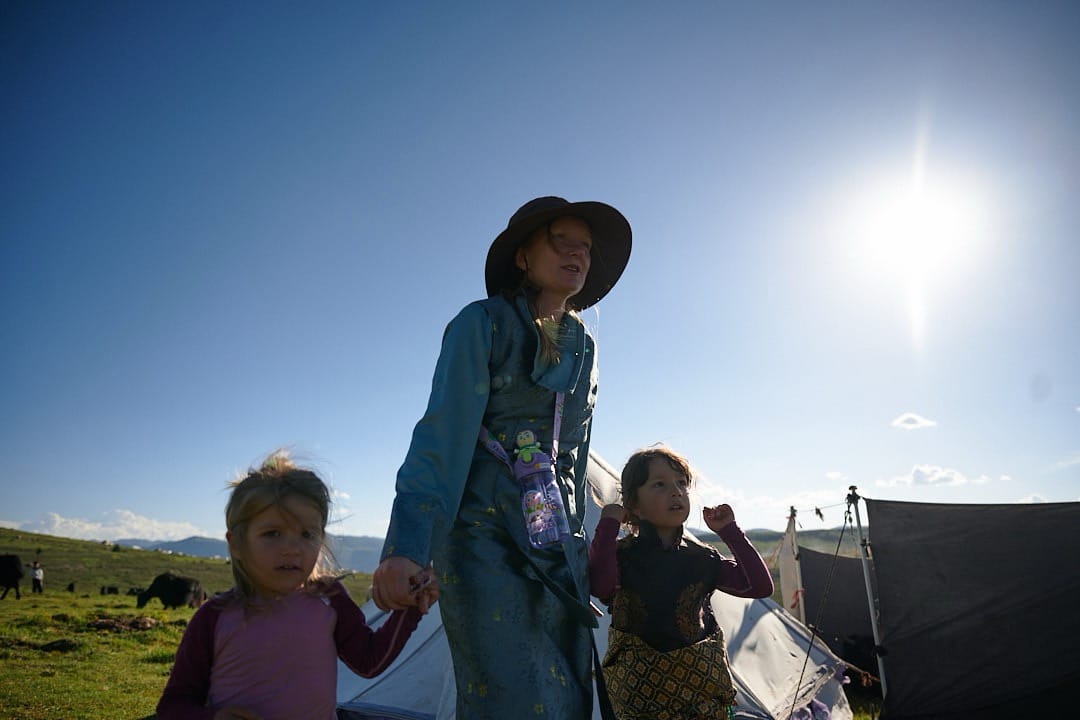
It was a unique experience for the whole family. We had already stayed overnight with a Tibetan family in Lhasa, but we had never slept in a tent with the kids. The conditions were quite harsh, but the kids loved playing with the other children. They (reluctantly) tried the food, stroked baby yaks and generally had a lot of fun.
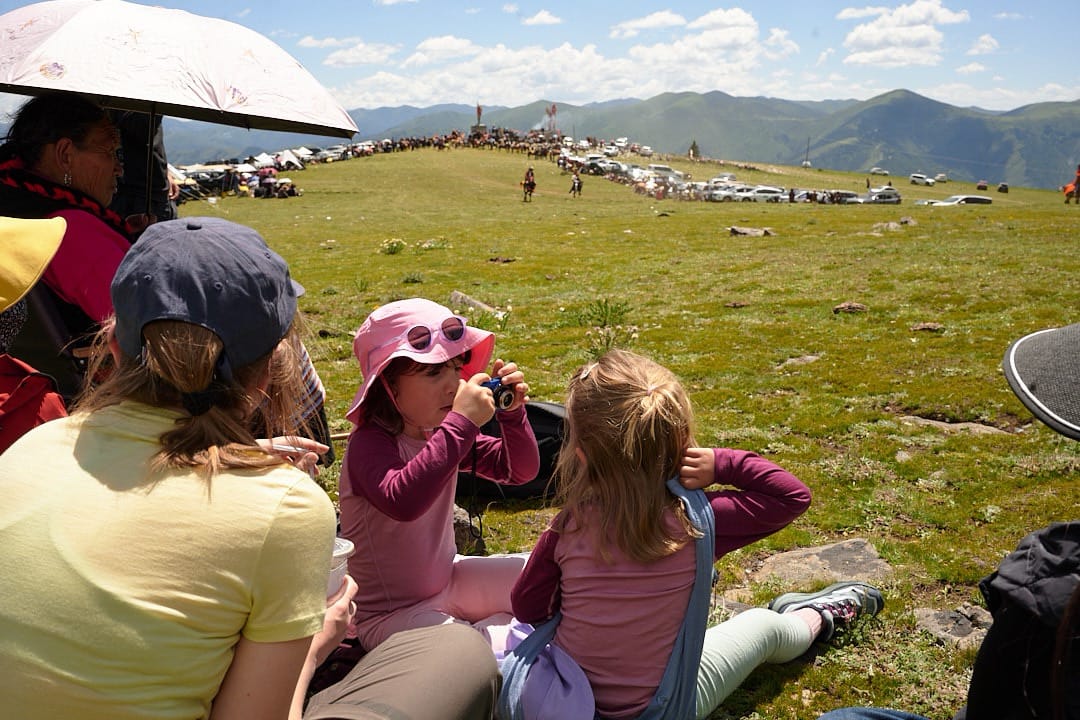
We were lucky to arrive at the grasslands during a local festival, with horse racing and horse riding games. The festival drew a lot of people, but they were mostly nomads from other villages and very few Chinese tourists, so it felt very authentic.
The nomad stay was educational for the kids as well as for us. Our older one enjoyed playing, but she also became more aware of the conditions some people live in.
It's sad to see these lifestyles transform. But with modernisation and better living conditions spreading everywhere in China, it's hard to imagine nomads continuing to live in the harsh environment of the grasslands.
Maisu
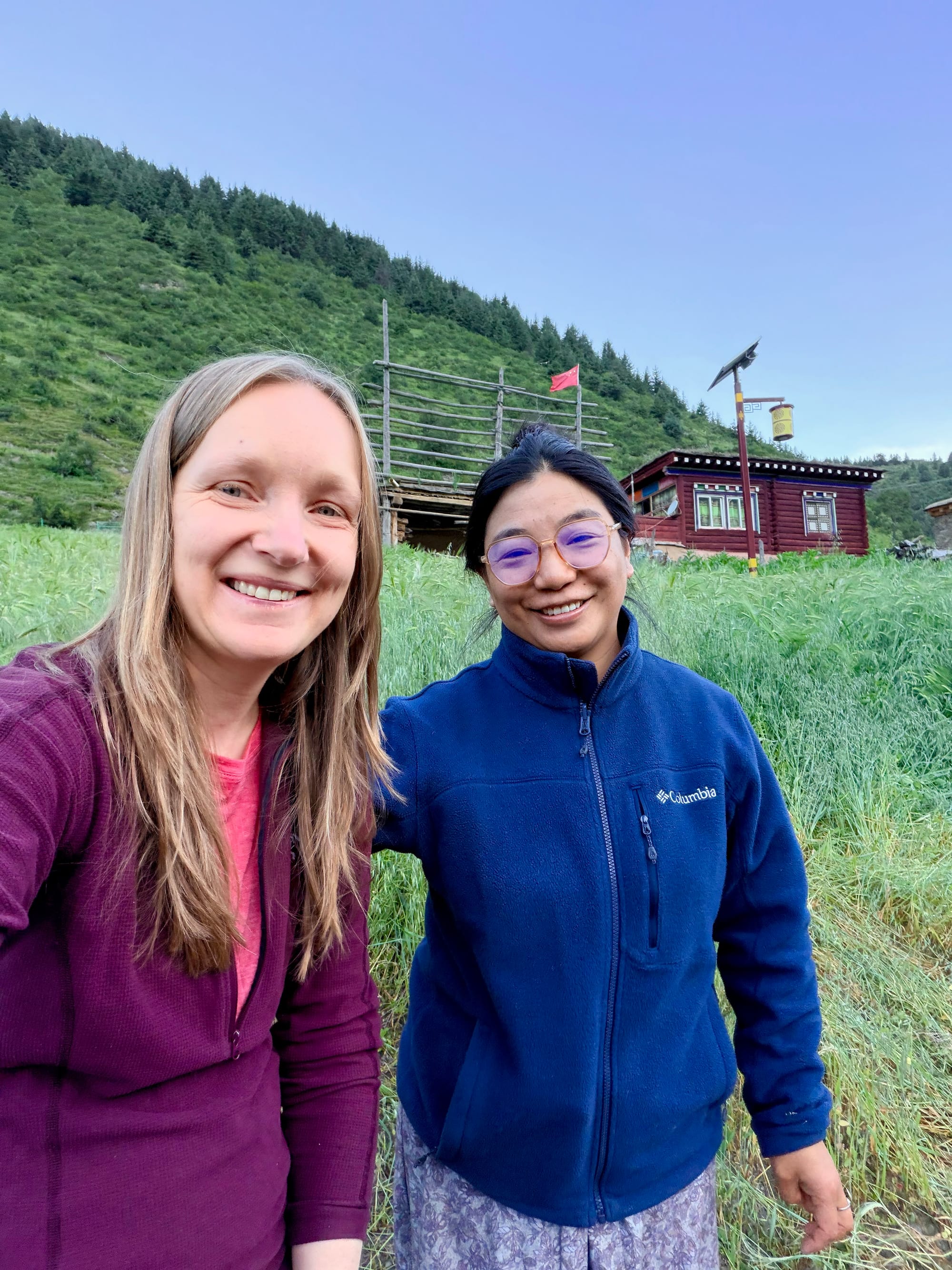
This place was so perfect that I almost don't want to mention it, but I believe its remoteness will protect it.
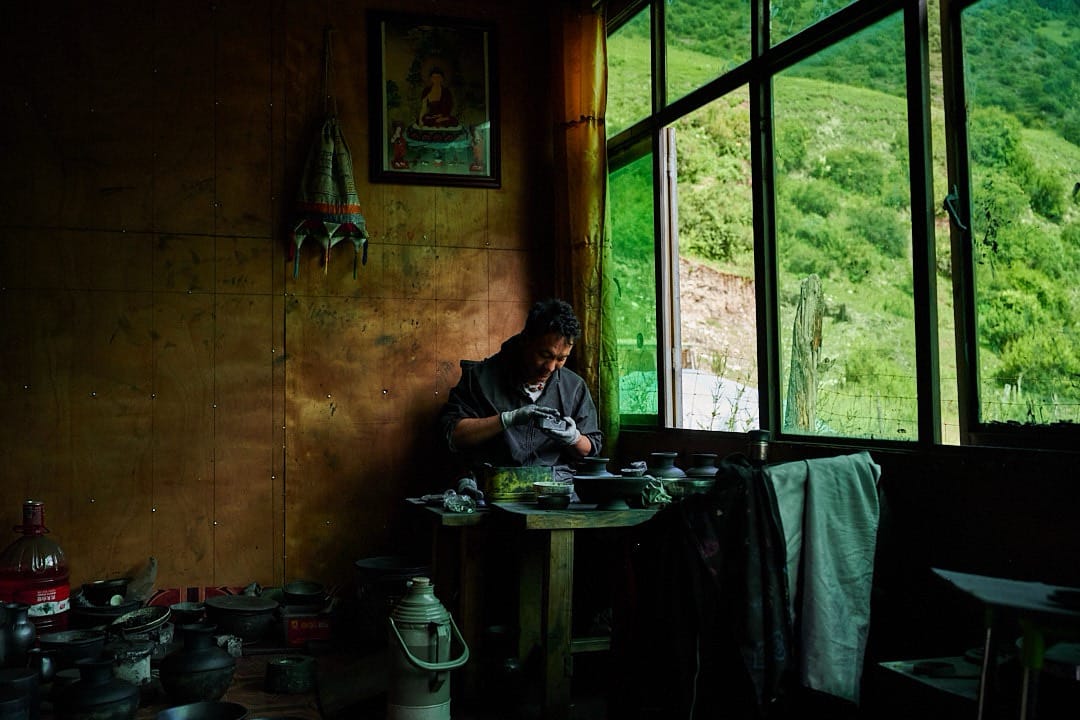
It's a Tibetan artisan village next to a monastery, and thanks to its crafts it remains both relatively prosperous and peaceful. There are no gift shops and only a few places to stay. Instead there are around 20 workshops where you can learn a craft and buy directly from the artisans. They are renowned well beyond the region and ship their work around the world, which is quite amazing.
The village feels like a blueprint for how quality tourism and cultural preservation should work. With traditional crafts and beautiful landscapes around them, people can keep their way of life and still prosper.
I feel that this recipe is rarely followed, which makes this place really special.
If we had known in advance how amazing it would be, we would have stayed at least 2–3 days.
Dege
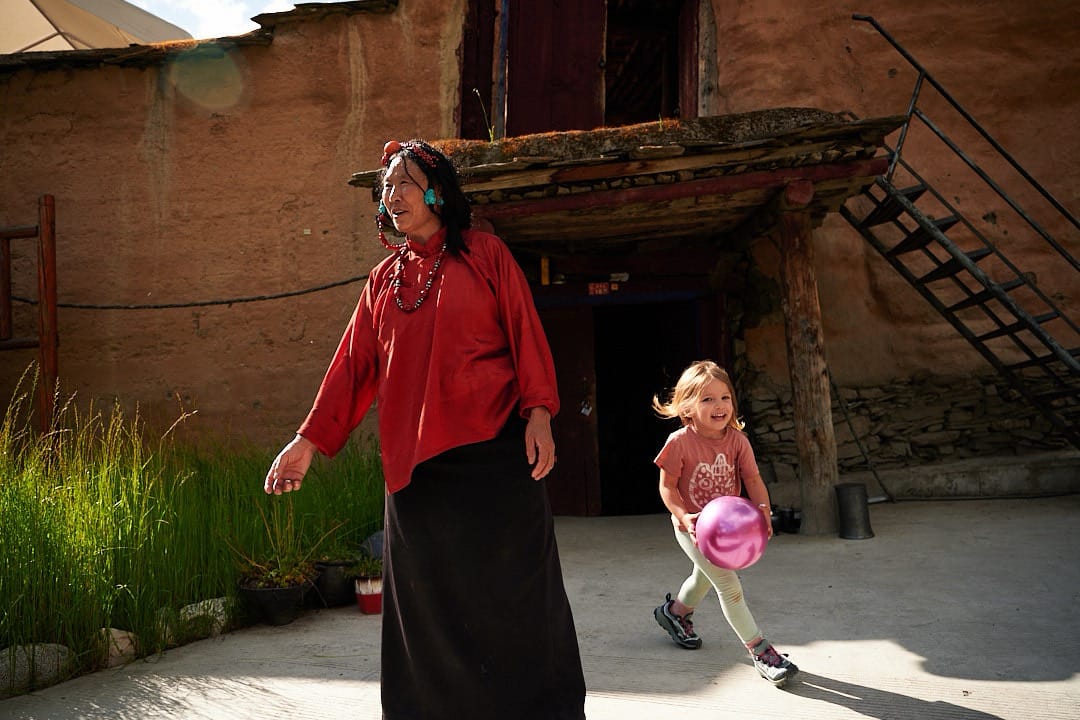
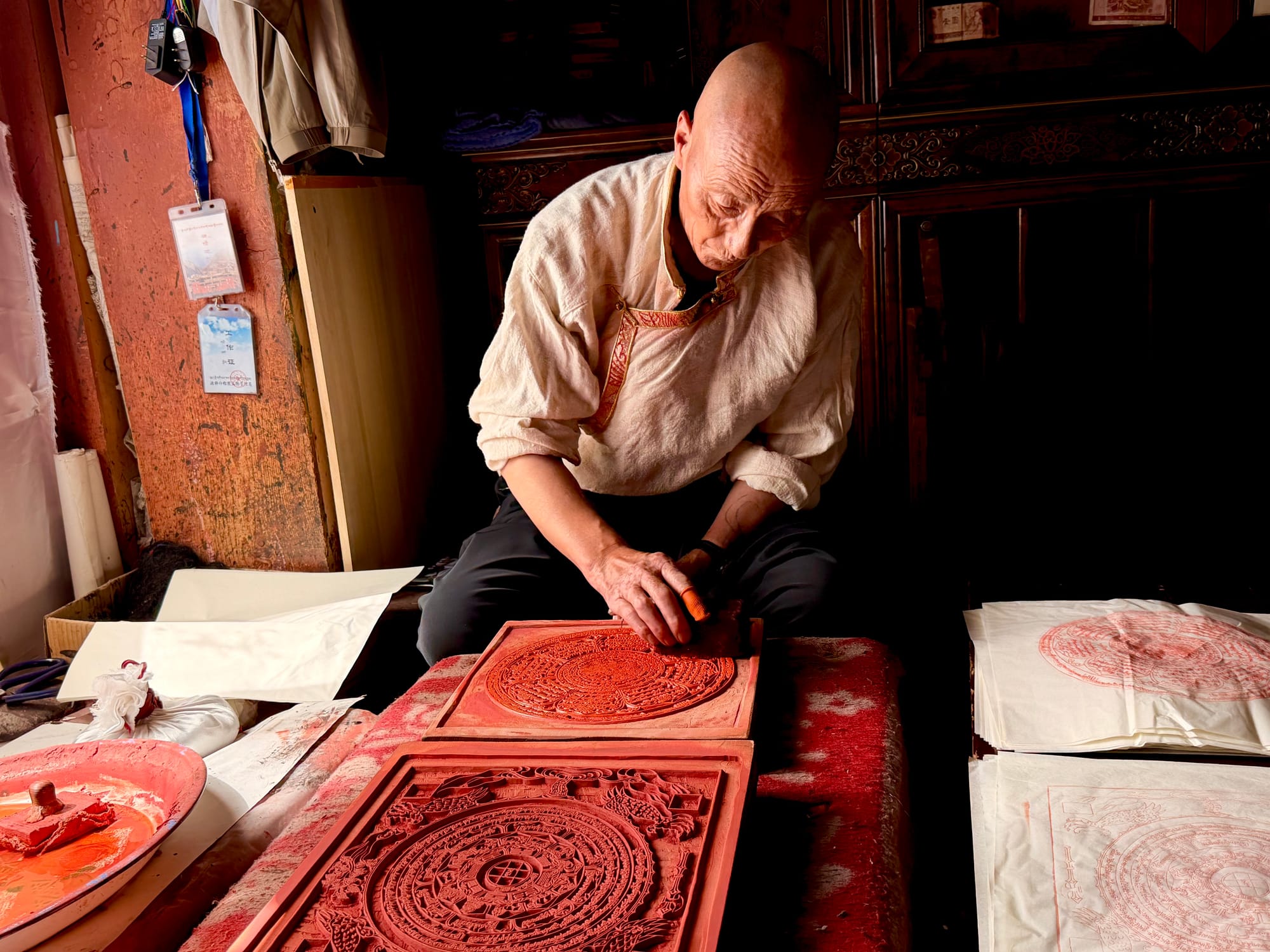
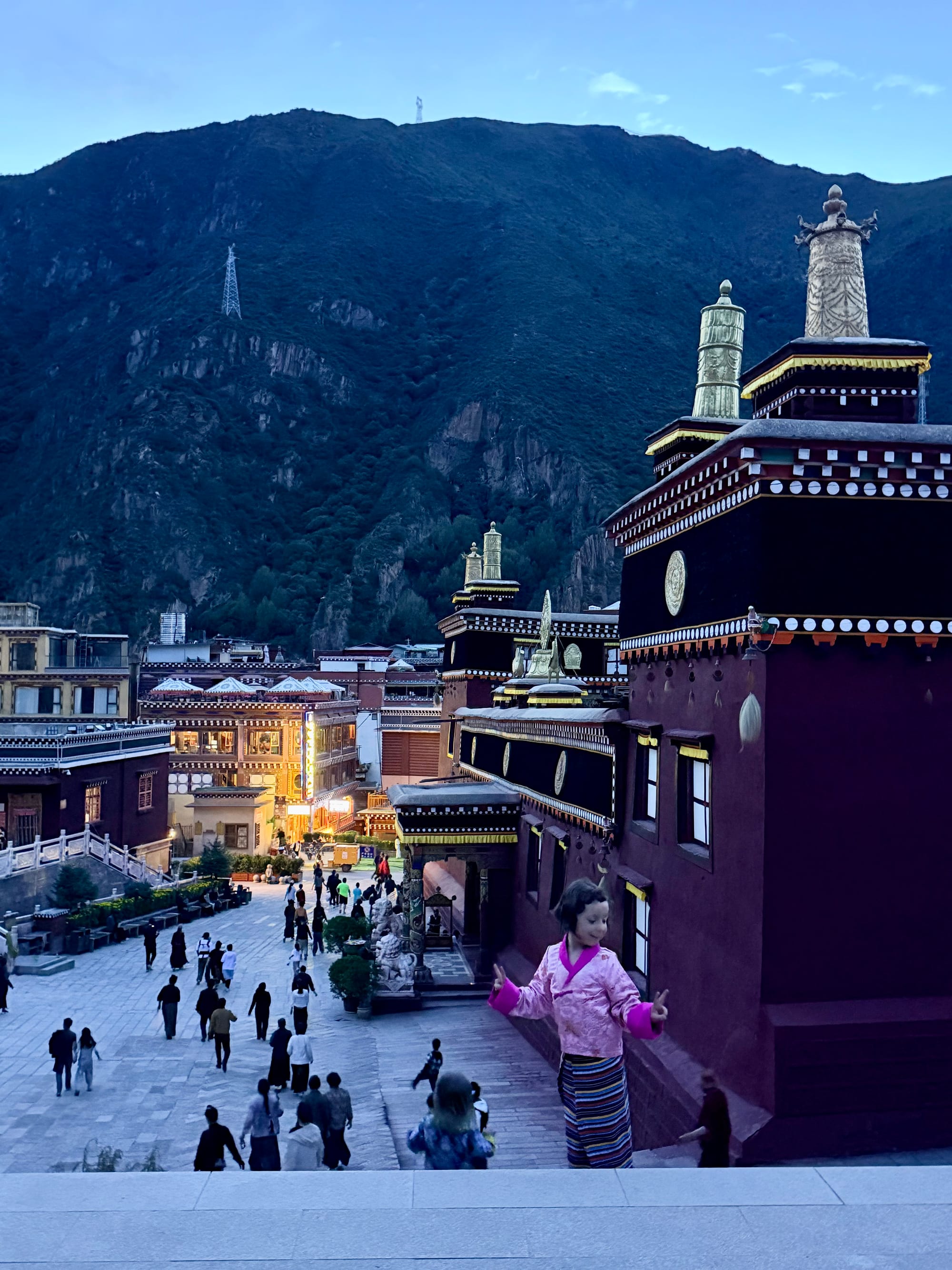
Dege is home to one of the oldest Tibetan printing houses still in operation. Because of its cultural significance, the town's architecture and culture are very well preserved. People still wear traditional clothes and dance traditional Tibetan dances on the square.
The printing house visit was fascinating. I had no idea how much work goes into preserving the old scriptures. Not only are the old woodblocks preserved, but new ones are still being carved. There are also ongoing efforts to digitise the whole library.
We really enjoyed our stay there.
Yushu
Yushu is in Qinghai province, and we had wanted to visit for years, but it is very remote. Between Yushu and Xining, the provincial capital, there are very few towns and none really worth a stop.
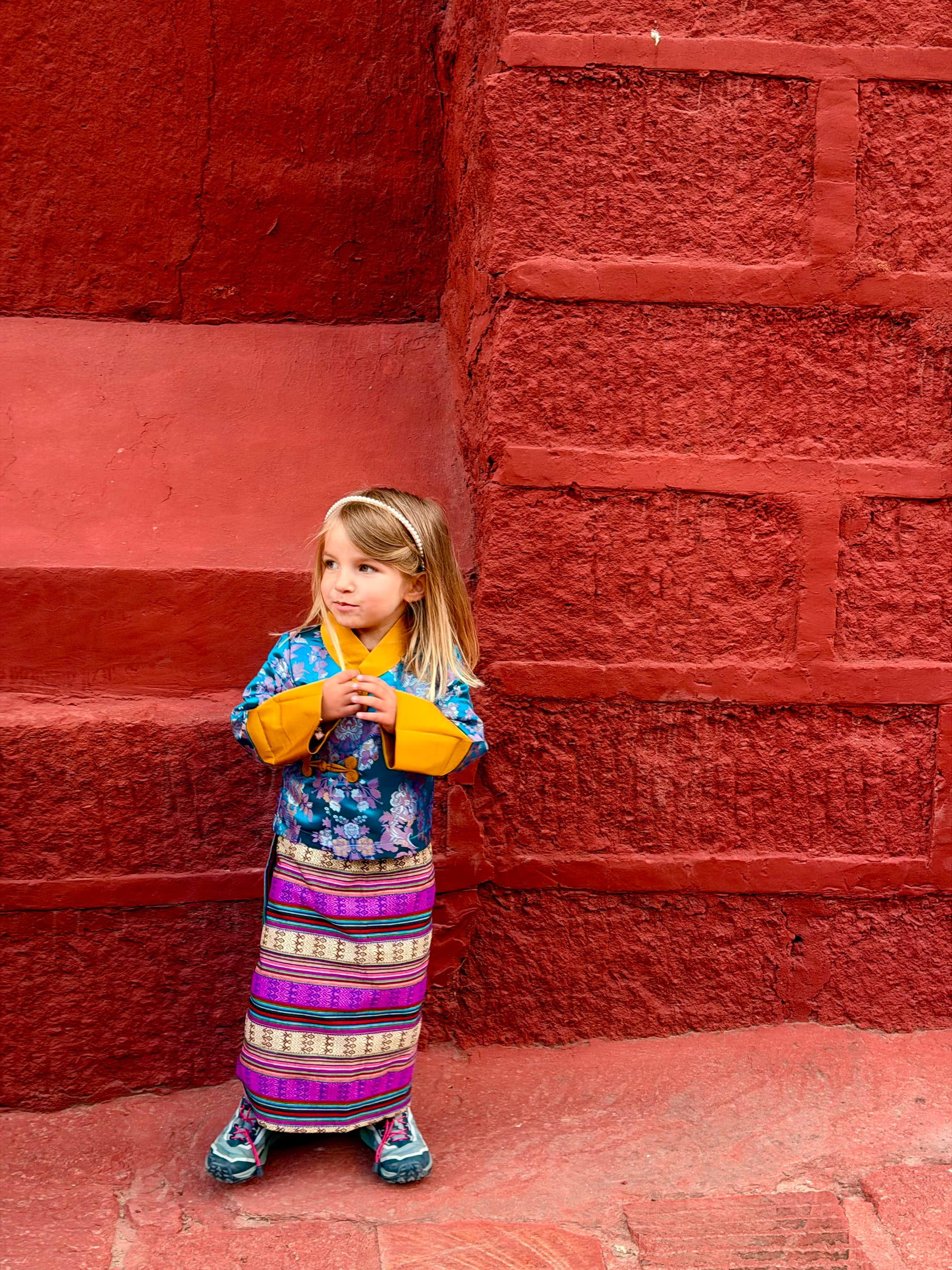
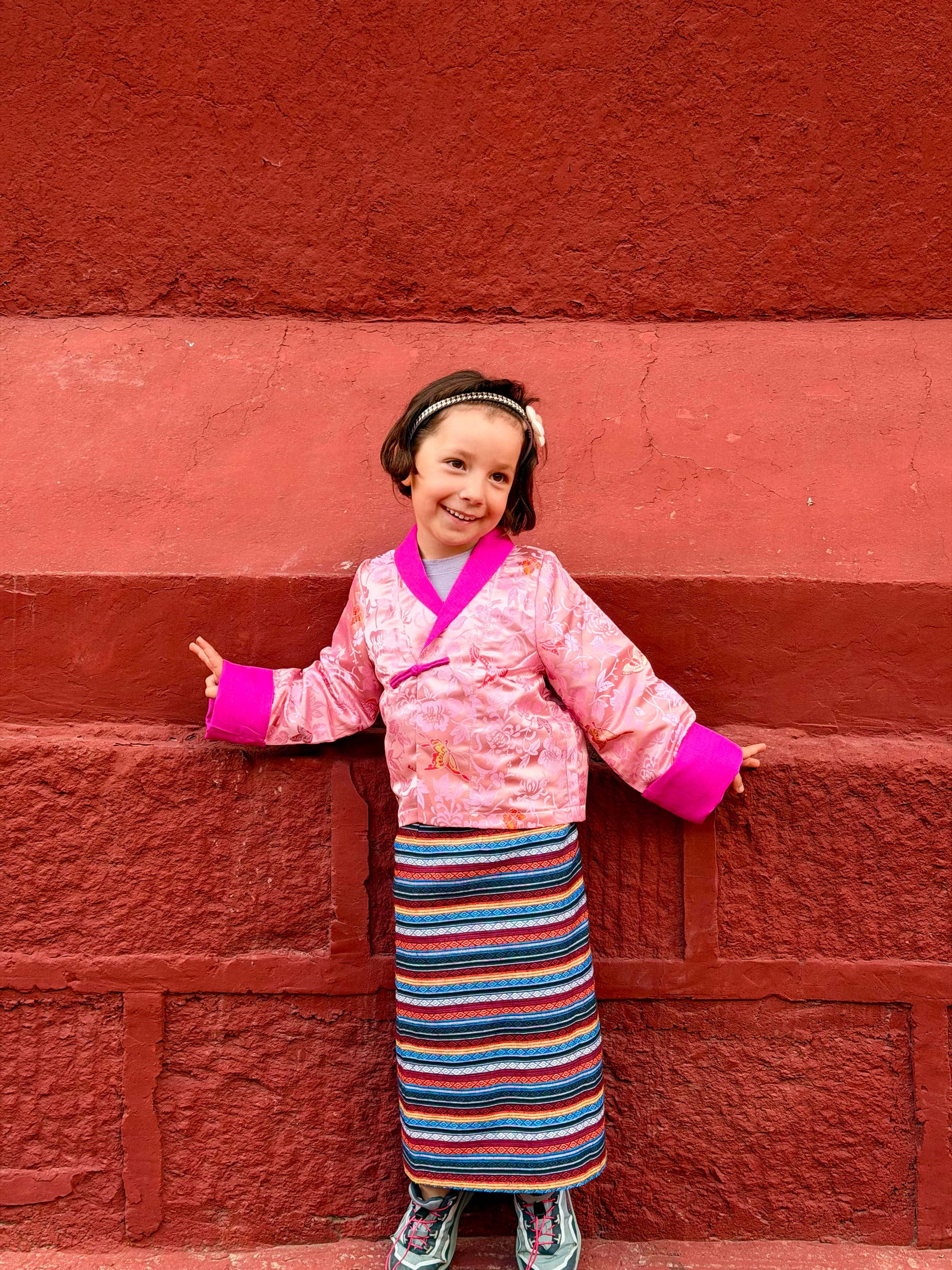
That made arriving in Yushu even more special. The town is very lively, with lots of people square dancing in the evening. Once again we were lucky: on the night we arrived there was a free local talent concert, which we (of course!) attended.
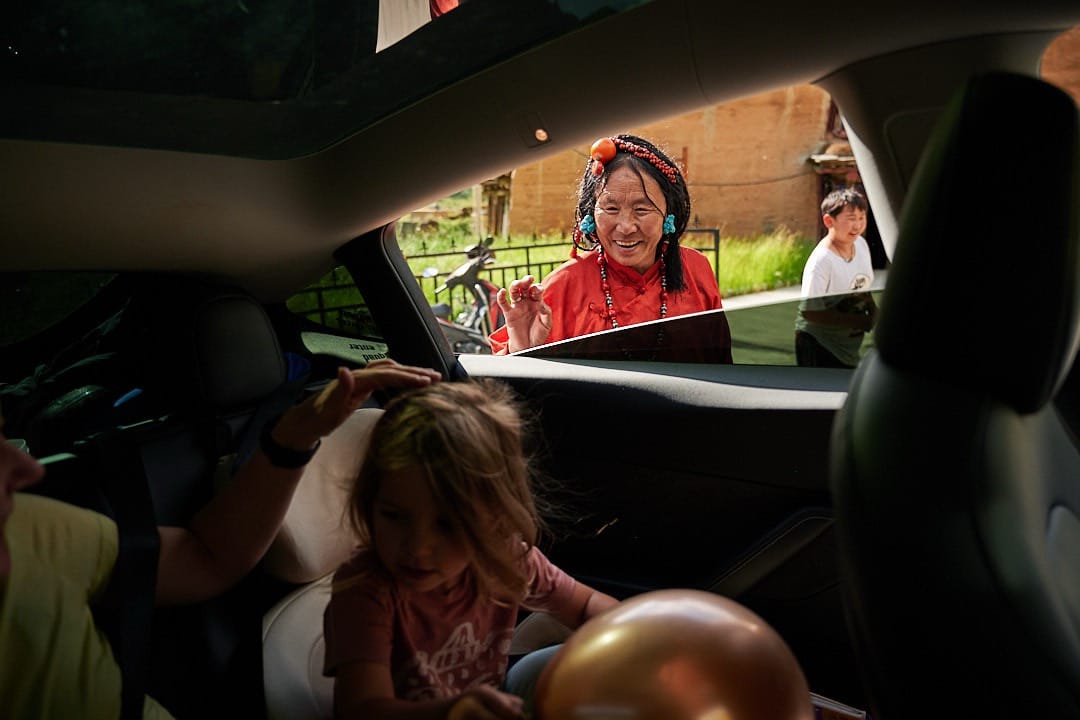
And the best part of getting somewhere so far off the tourist trail is that you receive an even warmer welcome, with more attention and more interactions. That makes the whole journey worth it.