What to Wear in Harbin at −25°C (Adults & Kids)
Quick Summary
🧅 Layers: wool base layer → warm mid layer → thick down jacket (+ down or snow trousers)
🧦 Feet: two pairs of socks + boots rated to −30°C
🧤 Hands: thin liner gloves + mittens or down gloves
🧣 Face: balaclava or neck gaiter + hat that covers the ears
🔥 Extras: hand and foot warmers (sold everywhere in Harbin), face cream, lip balm
👶 Kids: same layers, snow overalls, hat that fastens under the chin
Harbin in January is regularly −20°C to −25°C, sometimes colder, and you'll spend hours outside at the ice festival and on the street. This isn't the winter cold most of Europeans are comfortable with.
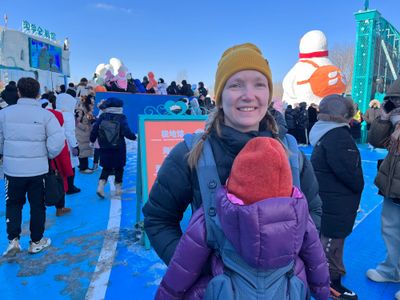
I already had gear from a trip to Siberia, but even wearing all that clothes I was still cold after a few hours of walking outside (and my motivation to take off mittens to take pictures were getting lower by a minute). On our family trip, the kids coped better than I expected — the real battle was keeping their gloves on.
How cold is Harbin in winter?
- December: average around −15°C, nights near −20°C
- January: the coldest month, daytime highs around −12°C, nights −22°C to −25°C or lower
- February: a little milder, daytime around −7°C to −9°C
Wind makes it feel much colder, especially on the frozen river and in the open festival parks. → Best time to visit Harbin
Harbin is cold, but not as extreme as many places in Russian Siberia – growing in Poland temperatures of -10 to -15°C were not that uncommon.
BUT what is different is that most attractions you are coming to see are outside, and you want to be enjoying them. Also, you might want to take pictures, too. At those temperatures you lose heat fast, so it is best to dress warm enough to be comfortable in the cold for longer period of time.
The layering system
Keep your core warm and your hands and feet stay warm longer. The key is layers you can open or take off indoors — shops, restaurants and the metro are heated, often very warm.
- Base layer: merino wool top and bottoms. No cotton next to the skin.
- Mid layer: fleece or wool sweater; a thin down jacket on the coldest days.
- Outer layer: long, thick down jacket with a hood, plus down trousers or ski trousers.
Packing list for adults
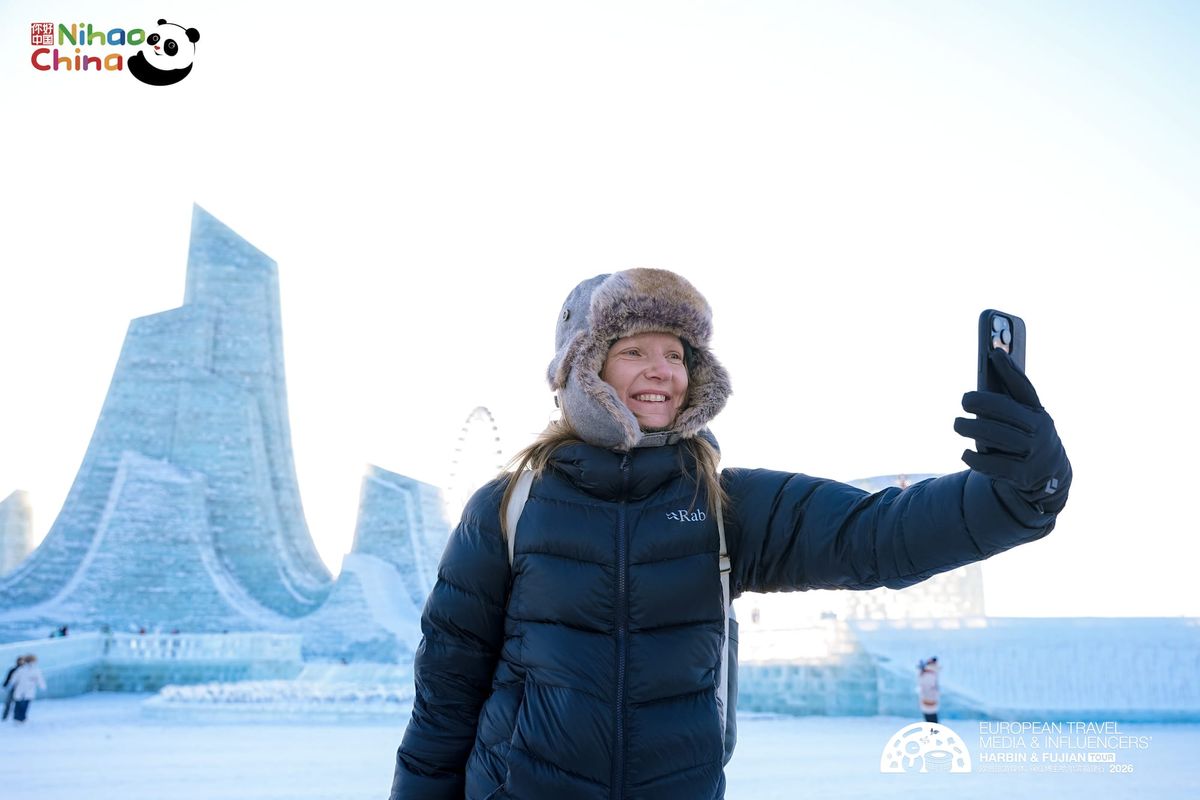
This is what I wore on the coldest days:
- Wool base layer (top and bottom)
- T-shirt and a warm jumper
- Thin down jacket or thick sweater
- Long, thick down jacket
- Trousers + down trousers on top
- Two pairs of socks (thin + thick wool)
- Wool liner gloves + down gloves or mittens
- Hat that covers your ears, plus a balaclava or neck gaiter
- Snow boots rated to −30°C, with good grip
Packing list for kids
What we put on our kids:
- Wool base layers
- Two pairs of socks
- Thick wool trousers
- Snow overalls
- Wool sweater
- Warm down jacket
- Balaclava
- Warm hat that fastens under the chin
- Liner gloves + mittens
- Boots rated to −30°C (we all wear Sorel boots, and they're amazing)
- Hand and foot warmers
Keeping kids warm: what we learned
- Gloves are the battle. Mittens over liner gloves, with long cuffs tucked under the jacket sleeves. Clips or a string help with little ones.
- Kids won't always tell you they're cold until they're at their limit. Check their hands, cheeks and ears regularly.
- Face cream protects their cheeks from the wind — use a thick, water-free winter cream before going out.
- Toddlers: a baby carrier keeps them warm (and is much easier than a stroller on icy pavements). Don't stay out long.
- Get dressed in stages. Put on the outer layers last, right before going out, so nobody overheats indoors.
- Plan indoor breaks every 45–60 minutes.
More for families: Harbin with kids in winter
Hand and foot warmers
Disposable heat packs (暖宝宝) are sold in convenience stores, pharmacies and at the festival venues. Stick them inside your shoes, mittens, or inside jacket pockets, and keep a couple of spare. They last several hours. Don't stick them directly on skin, and be careful with small children.
And I can tell you from experience, they really work. Better put them in ahead of time, before you get cold.
Rent, buy or bring?
- Bring base layers, socks and gloves — they're light and you'll use them again.
- Rent the bulky items (long down coats, snow boots) if you don't need them at home. 🧤 Rent warm Harbin gear
- Buy in Harbin if you forget something: shops around Central Street sell hats, gloves, warm boots and heat packs.
Small things that make a big difference
- Lip balm and oily moisturiser — the air is very dry (not water based!)
- Sunglasses — the glare off snow and ice is strong
- Power bank — phone batteries drain fast in the cold; keep your phone in an inside pocket
- Thermos for hot water
- Gloves that work with touch screens
Staying safe in the cold
Frostbite usually starts on cheeks, nose, ears, fingers and toes. Pale, waxy or grey patches and numbness are warning signs. Get indoors, warm the area gradually (no rubbing, no hot water), and seek medical help if the skin doesn't return to normal.
Keeping core warm will make your hands and feet stay warm longer.
FAQ
How cold is Harbin in January?
Typically −12°C during the day and −22°C to −25°C at night, sometimes colder.
What shoes should I wear in Harbin?
Insulated snow boots rated to around −30°C, with good grip for icy pavements.
Can I buy winter clothes in Harbin?
Yes, and heat packs are everywhere. But it's easier to arrive prepared, especially for kids.
How do I keep my kids warm in Harbin?
Wool base layers, snow overalls, a balaclava, mittens over liner gloves, −30°C boots, heat packs, and regular indoor breaks.
Plan your Harbin trip
🧤 Rent warm gear for Harbin
🏨 Find hotels in Harbin
More Harbin:
 Magda Sawyer
 Magda Sawyer

 Magda Sawyer