Beyond Avatar: Discovering Zhangjiajie Brocade Museum
Introduction to the hidden gem of Zhangjiajie region + tips for visitors
Share this post:
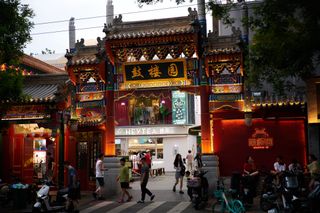
When I visited the Zhangjiajie region in December 2026 I expected to see the famous scenic areas and minority villages, I did not expect to see this wonderful and modern museum.
In fact, if I went on my own, I wouldn‘t be able to find it — it has been opened in 2024 and barely any information about it exists.
And I‘m glad the trip organisers took us there — the museum is an architectural and design gem, showcasing China‘s ongoing attempts to preserve the culture while going through the rapid modernisation.
I hope this post will inspire you to go, even if it wasn‘t the main point in your Zhangjiajie itinerary.
What Is This Place?
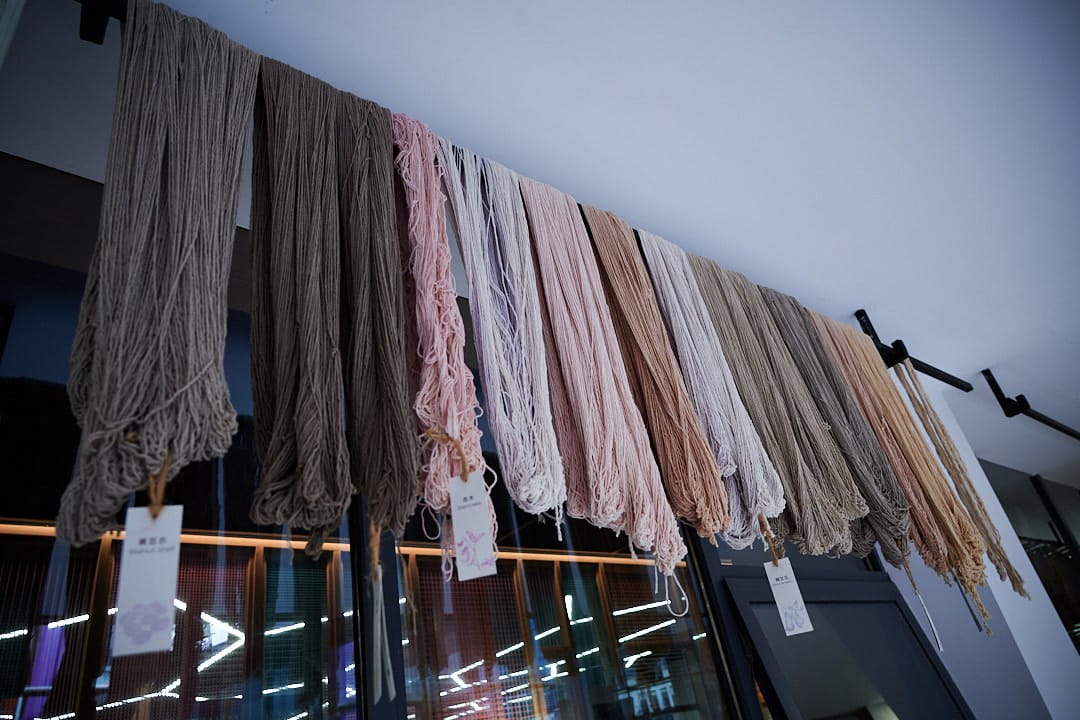
The Zhangjiajie Tujia Brocade Cultural and Creative Park (土家织锦文化创意园) is China's largest cultural complex dedicated to Tujia brocade — a traditional weaving craft with over 3,000 years of history.
The Tujia people are one of China's ethnic minorities, and their handwoven textiles, called xilankapu (西兰卡普), meaning "flower-patterned cover", have been passed down through generations. In 2006, this craft was officially recognized as a National Intangible Cultural Heritage — putting it in the same category as other protected traditions like Peking Opera.
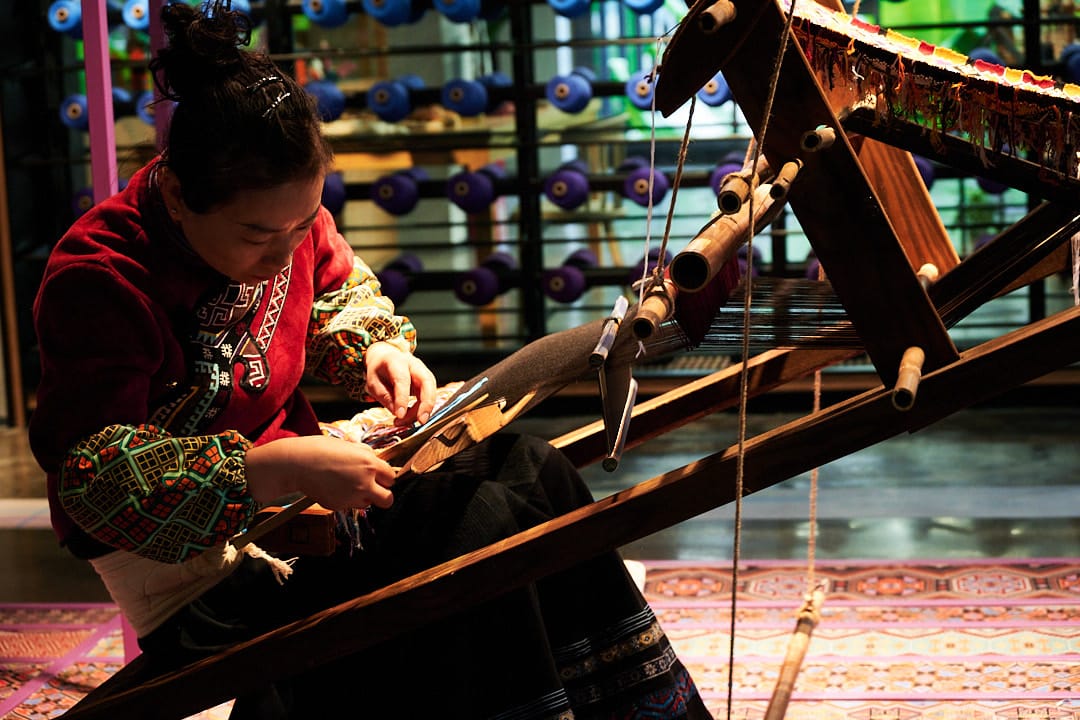
What makes this place special? It's not just a museum. It's a living workshop where you can watch artisans weave using traditional wooden looms, learn about ancient patterns that carry symbolic meanings, and even try your hand at creating your own small brocade piece.
Why Visit the Tujia Brocade Museum
Most visitors to Zhangjiajie focus entirely on the national park (and rightfully so — those mountains are incredible, even if a bit too touristy).
But if you have a more relaxed timeline or the weather is not suitable for mountain excurscions, this museum offers something completely different.
Here's why it's worth adding to your itinerary:
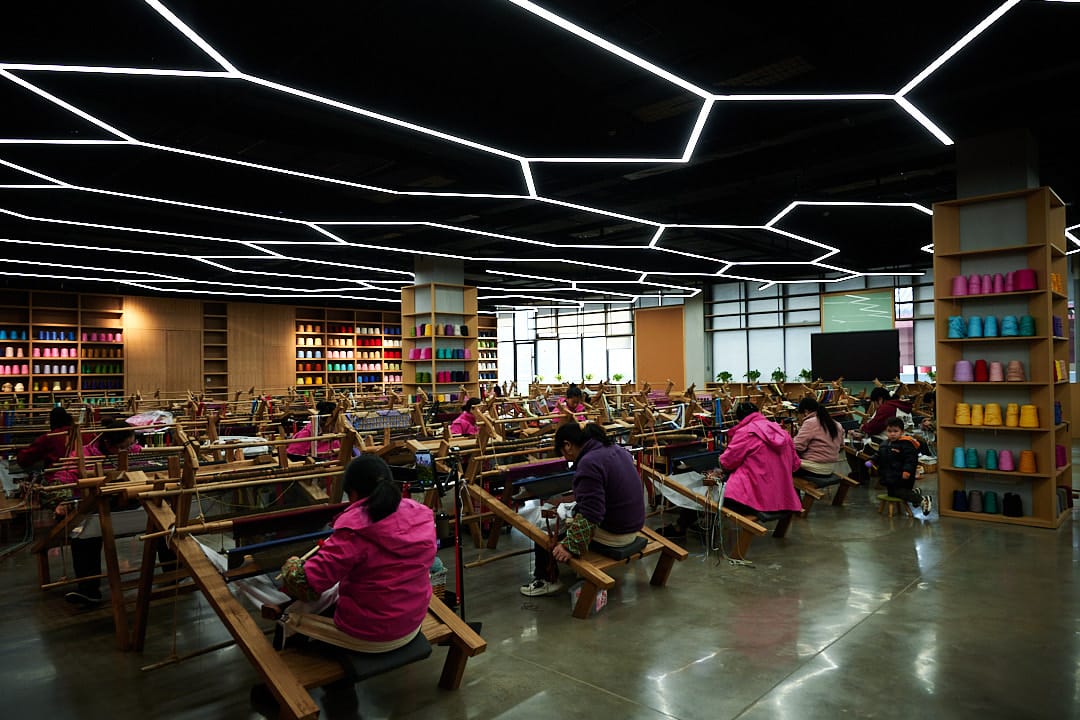
You'll see a living tradition in action — this isn't a static museum with items behind glass. Real artisans work here daily, and the park operates over 600 looms.
It's a meaningful break from nature. After days of hiking and taking in natural scenery, this cultural experience adds depth to your Zhangjiajie trip.
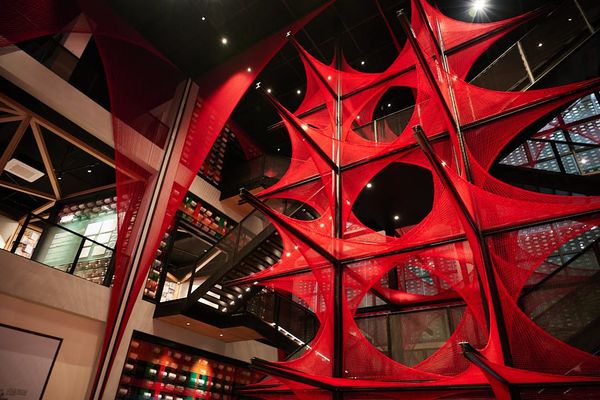
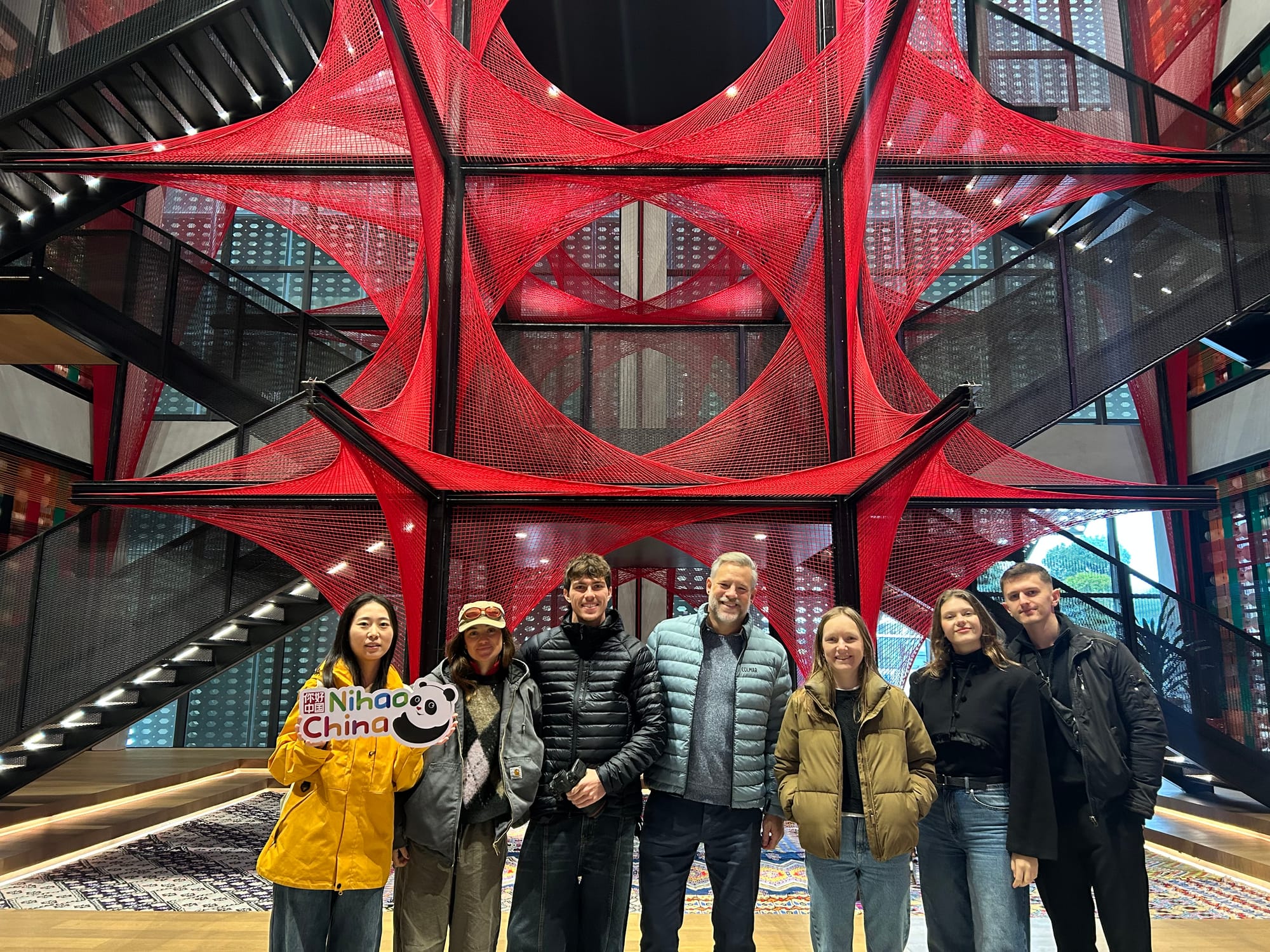
The architecture is stunning. The buildings blend traditional Tujia stilted-house design with modern elements. The main entrance features an 8-meter-wide, 13-meter-tall installation woven from 150,000 meters of red brocade thread — it's an iconic photo spot.
And the tickets are super cheap and available on Trip.com:
What You'll See Inside
The park is divided into four main areas:
1. The Tujia Flower Installation Right at the entrance, you'll encounter the massive red brocade installation. It's woven in a traditional pattern and represents the resilience and creativity of Tujia women, who historically created these textiles for dowries and household use.
2. The Exhibition Hall This section explains the history and cultural significance of Tujia brocade. You'll learn about the more than 400 traditional patterns that once existed — around 160 survive today. Each pattern has meaning: diamonds represent abundance, stepped patterns mirror the local terraced hillsides, and spirals symbolize protection for the home.
3. The Weaving Workshop This is the highlight. You can walk through the working factory and watch skilled weavers create brocade on traditional wooden waist-type inclined looms. The craft requires over 30 different steps, including "passing the warp and weft" and "carving the flowers on the reverse side." It's mesmerizing to watch.
4. Product Exhibition and Gift Shop The park produces over 600 types of brocade products, from scarves and bags to framed artwork and home décor. If you're looking for an authentic, meaningful souvenir from Zhangjiajie, this is the place.
The prices are fair and the quality is astounding — I myself bought a handbag and some small gifts for kids, both covered in unique traditional patterns.
Visiting with Kids
This is a very kid-friendly attraction and I wish I could have visited it with my kids.
What makes it work for families:
Children will enjoy watching women weaving the traditional colorful patterns.
The DIY activities are perfect for children. Kids can make their own small sachets or try operating a simple loom. It's hands-on learning about Chinese cultural heritage.
The colorful textiles and the impressive entrance installation capture attention immediately.
It's indoors and air-conditioned — a welcome break if you've been out in the elements at Zhangjiajie National Forest Park.
The park isn't huge, so it won't exhaust little legs. An hour or two is plenty of time to see everything and do an activity.
Ages this works for: Best for kids 4+ who can appreciate watching craftspeople work and participate in simple activities. Younger toddlers might get bored after 30-40 minutes.
Practical Information
Getting There
The museum is located in Yongding District, about 15-20 minutes by taxi from Zhangjiajie city center.
Address: Haoping Village, Shadi Street, Yongding District, Zhangjiajie City, Hunan Province
Chinese address: 湖南省张家界市永定区沙堤街道号坪村
On AMap: Search for "Tujia Zhijin Cultural & Creative Park" (土家织锦文化创意园)
Tell your taxi driver: 土家织锦文化创意园 (Tǔjiā Zhījǐn Wénhuà Chuàngyì Yuán)
Opening Hours
8:15 AM – 6:00 PM daily
Cost
Around 4$ on Trip.com
Tips for Your Visit
Best time to go: Weekday mornings are quietest, but the museum is currently not very busy
How long to spend: Plan for 1-2 hours. If you want to do a DIY activity, add another 30 minutes.
Finding it on AMap: Search for "Tujia Zhijin Cultural & Creative Park" — this is the official listing name on China's most popular navigation app.
What to bring: Your camera! The red installation at the entrance and the weaving workshop both make for beautiful photos.
Combine it with: This pairs well with a morning or afternoon in Zhangjiajie city before or after your national park adventures. It's also a good rainy-day activity.
Buying souvenirs: The brocade products here are authentic and high-quality. Scarves and small bags make excellent gifts. Prices are reasonable for handmade goods.
FAQs
Q: Is the museum worth visiting? A: If you have any interest in Chinese culture, crafts, or want a break from hiking, absolutely yes. It's cheap, beautiful, and offers a genuine insight into local heritage.
Q: How is this different from other craft museums? A: It's a living workshop, not just a display. You'll see artisans actively weaving, and the scale is impressive — this is China's largest Tujia brocade cultural complex. It is an excellent showcase of China‘s attempt to preserve the culture and celebrate ethnic minorities during the rapid modernisation.
Q: Can I buy authentic brocade products? A: Yes, the gift shop sells genuine handwoven items made on-site. These make meaningful souvenirs.
Q: Is it suitable for children? A: Yes! The DIY activities and colorful textiles appeal to kids. It works best for children aged 4 and up.
Q: How do I get there from Zhangjiajie National Forest Park? A: The museum is in Zhangjiajie city, about 40-50 minutes from the national park entrance by taxi. Most visitors combine it with city time rather than making a special trip from the park.
Plan Your Zhangjiajie Trip
🏨 Find hotels in Zhangjiajie
🎟️ Book Zhangjiajie tours and activities
Related Posts:
 Magda Sawyer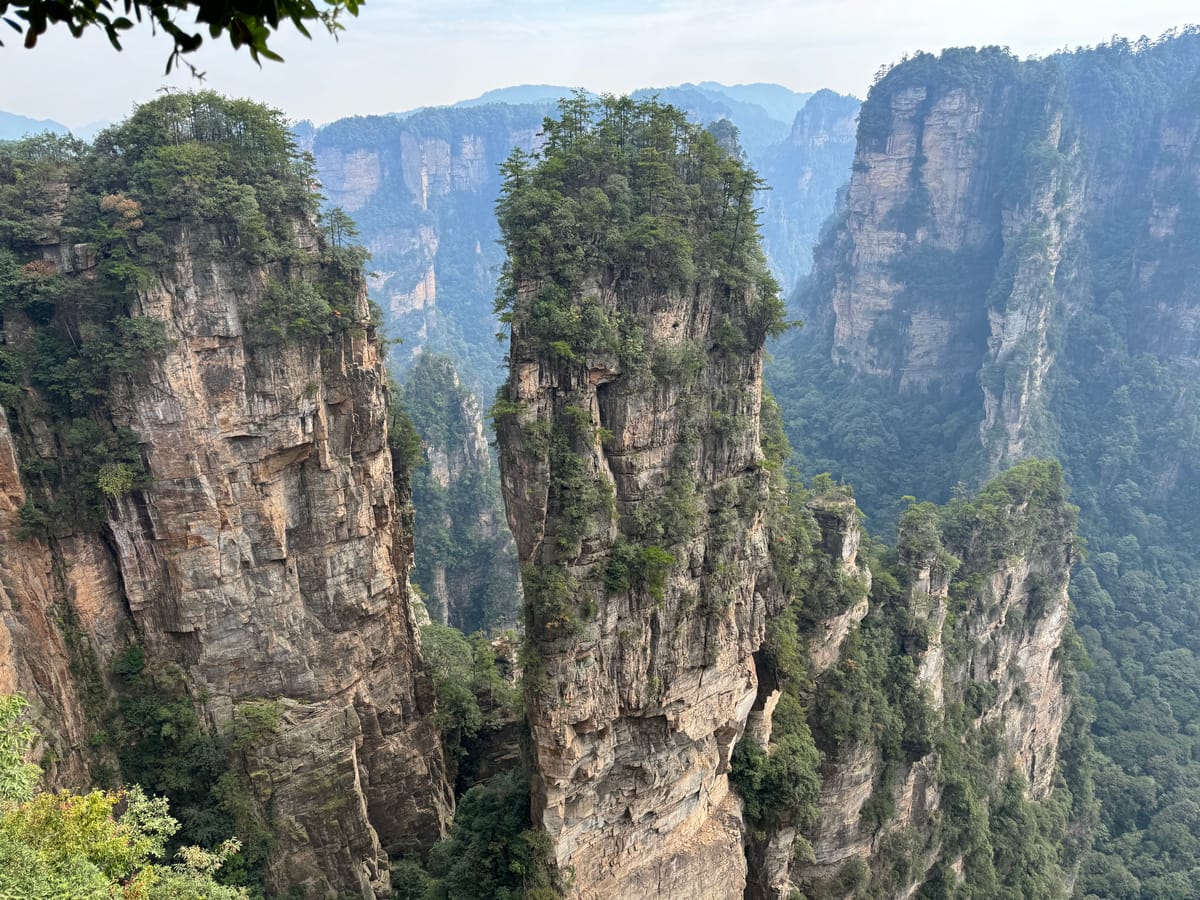
 Magda Sawyer