What Are Toilets Really Like in China? A Practical Guide (2026)
Last updated: March 2026
Quick Overview
🪑 Western Toilets: Widely available in airports, stations, malls, hotels
🧻 Toilet Paper: Bring your own — not always provided
👨👩👧 Family Restrooms: Excellent — common in newer metro stations and malls
🚽 Squat Toilets: Still common, but Western option usually available
🗑️ Key Rule: Don't flush paper — use the bin beside the toilet
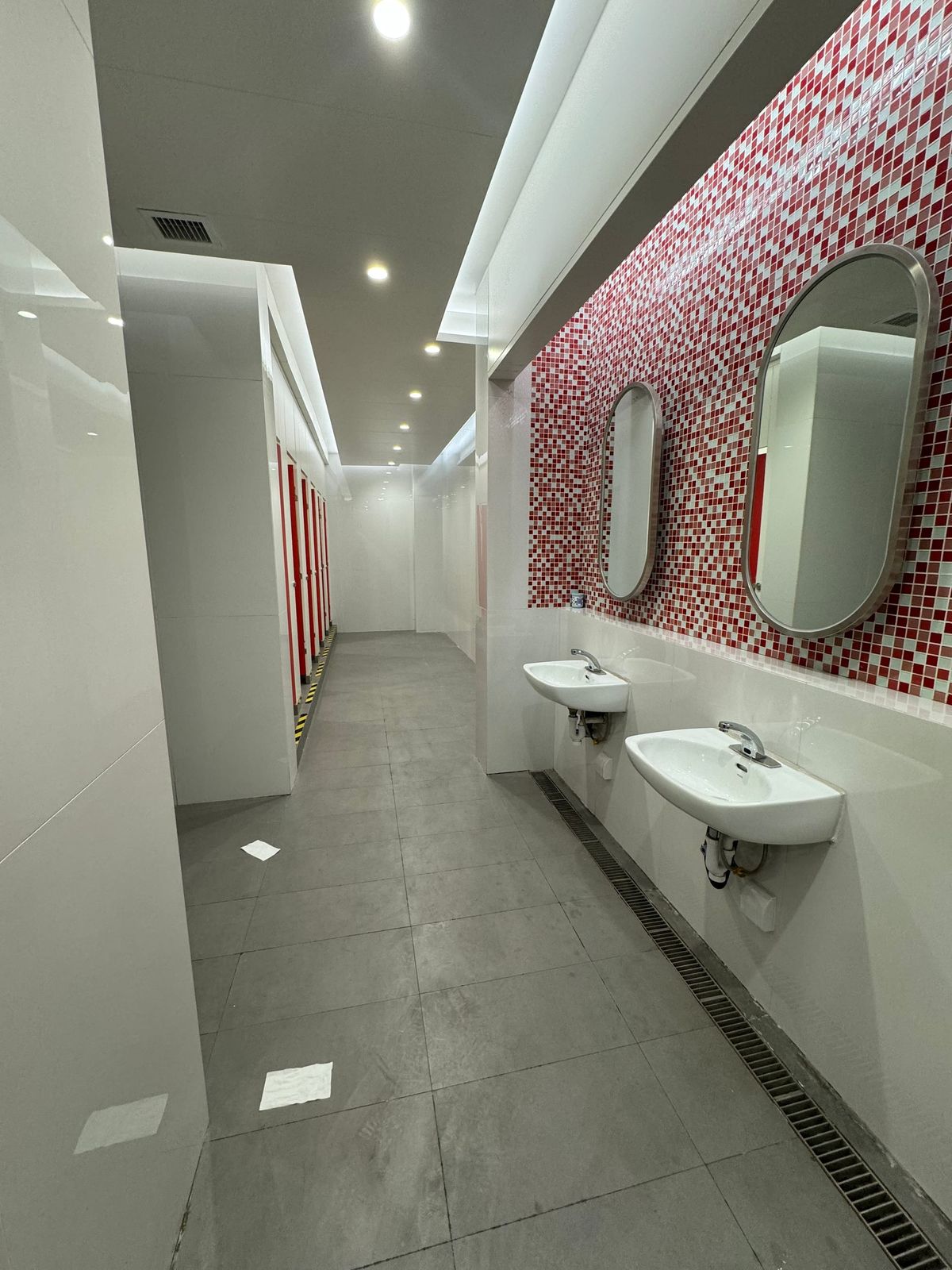
Chinese public toilets (公共厕所, gōnggòng cèsuǒ) are far better than their reputation suggests. If you're planning a trip to China and worrying about the bathroom situation, here's the honest reality: in any major Chinese city, you'll find clean, well-maintained public restrooms with both Western-style sitting toilets and squat toilets. The days of doorless stalls and holes in the ground are largely behind us — at least in the places most travelers visit.
I've used public toilets across China over six trips — in Beijing, Shanghai, Chongqing, Shenzhen, Chengdu, and even smaller towns like Lijiang in Yunnan — and what I've found has consistently exceeded my expectations. Traveling with a recently potty-trained toddler made me especially alert to the toilet situation, and honestly? The family restrooms in Chinese metro stations put most European public toilets to shame.
What to Expect from Chinese Toilets in 2026
The standard of Chinese public toilets varies by location, but as a general rule: the bigger and newer the city or facility, the better the toilets. Here's what to expect in different settings:
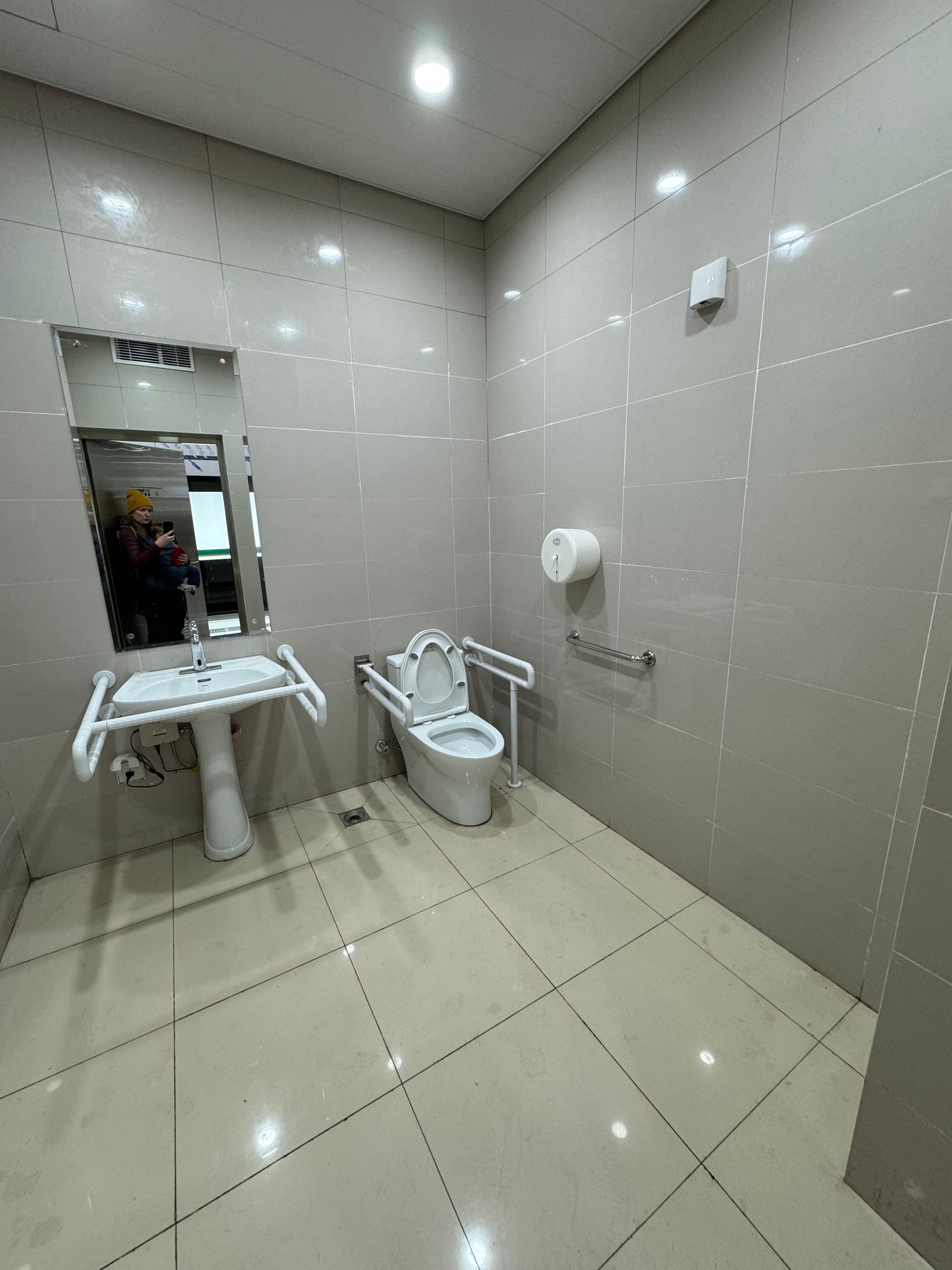
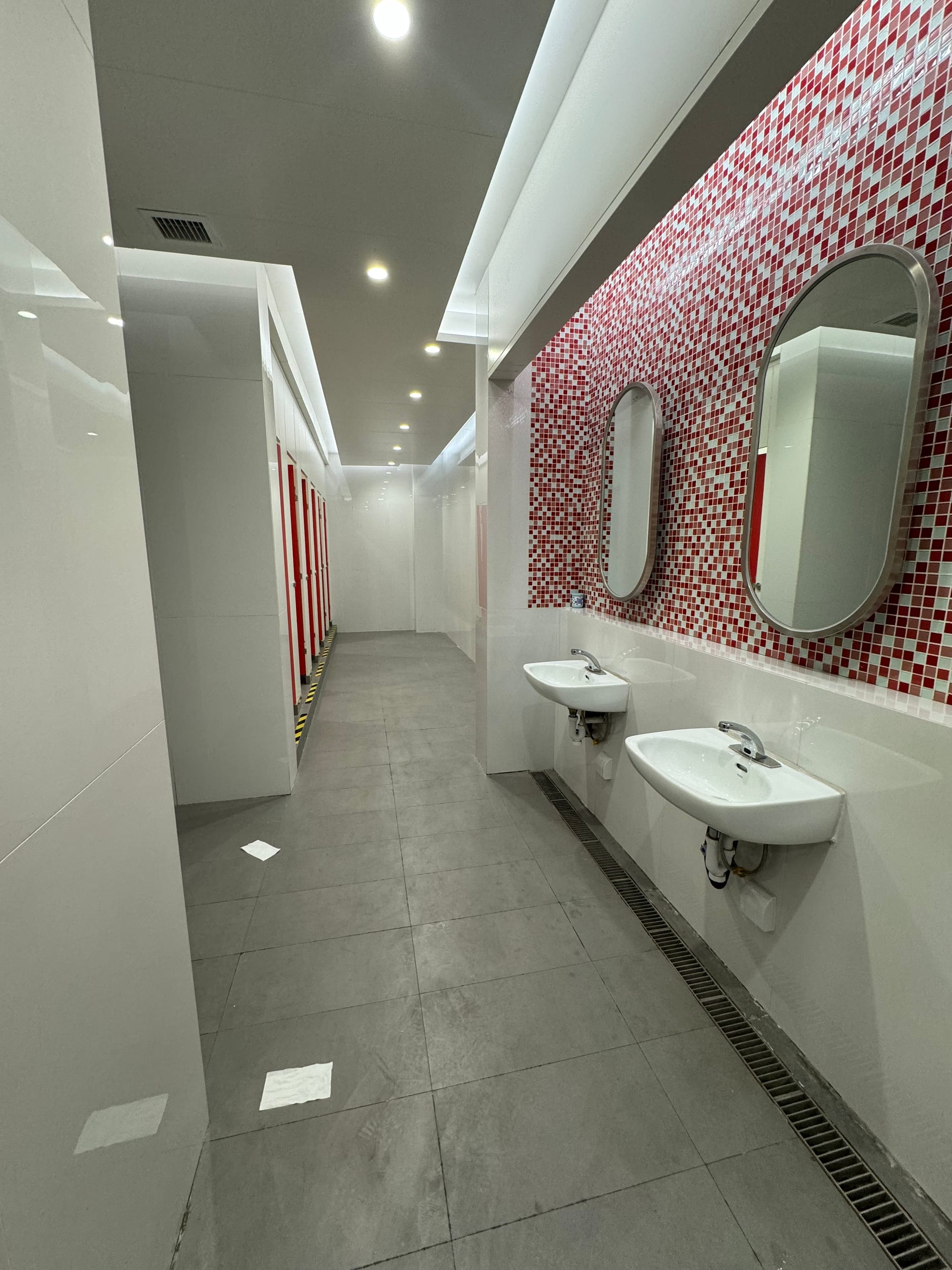
Airports and train stations have the best facilities. You'll find Western-style toilets, accessible stalls, family restrooms, and often attendants keeping things clean. High-speed rail stations are particularly good — they're all relatively new buildings with modern plumbing.
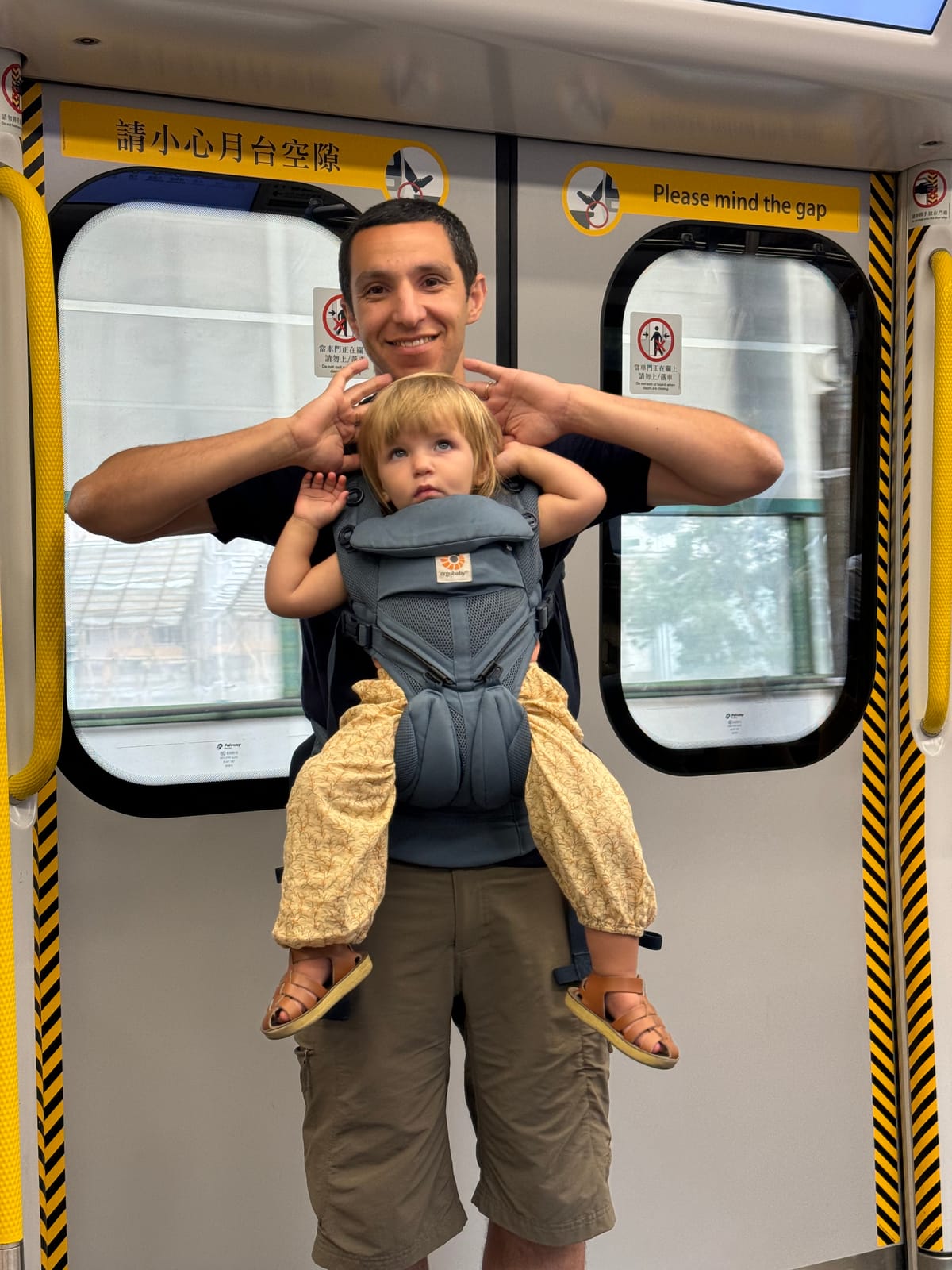
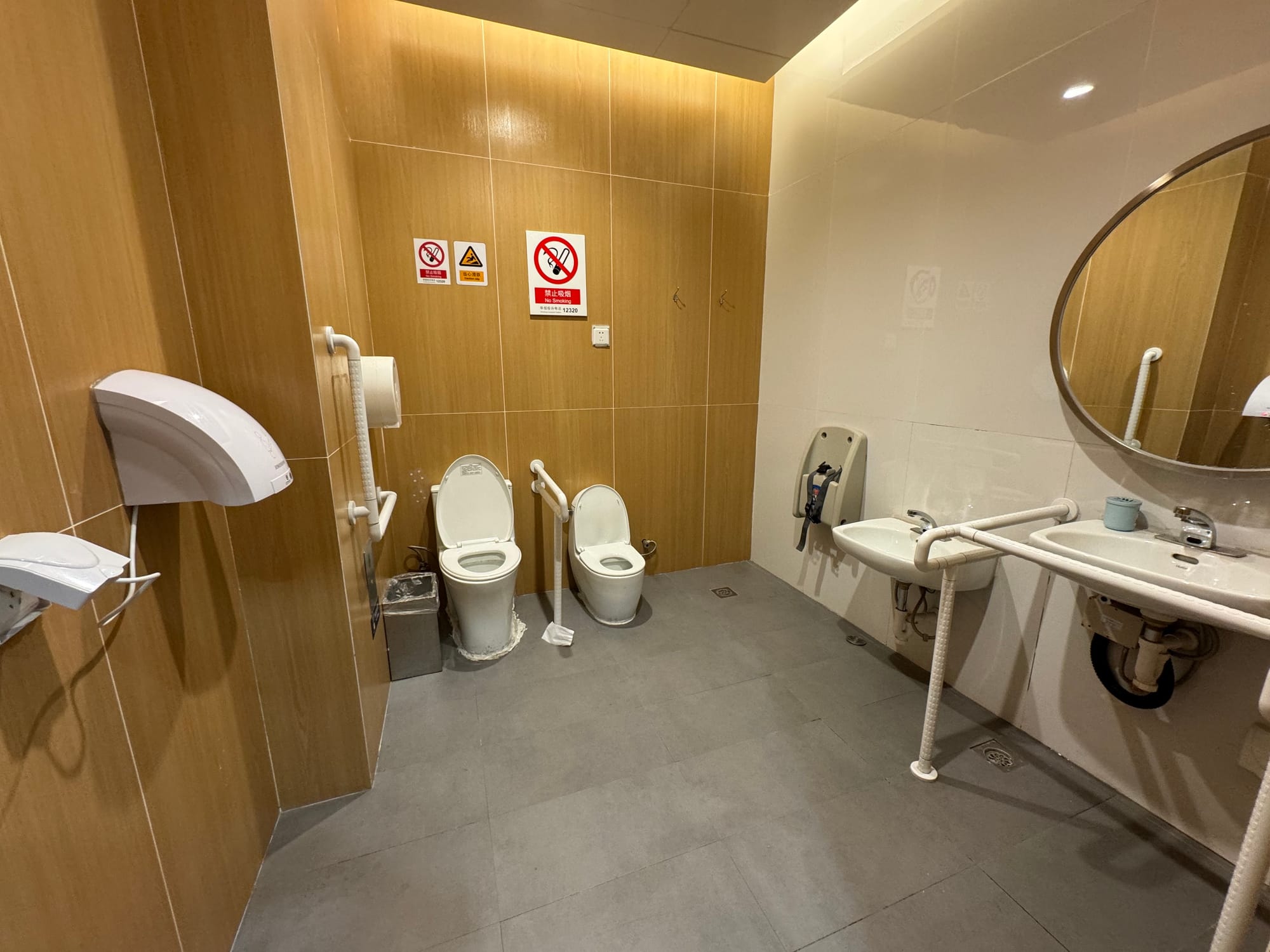
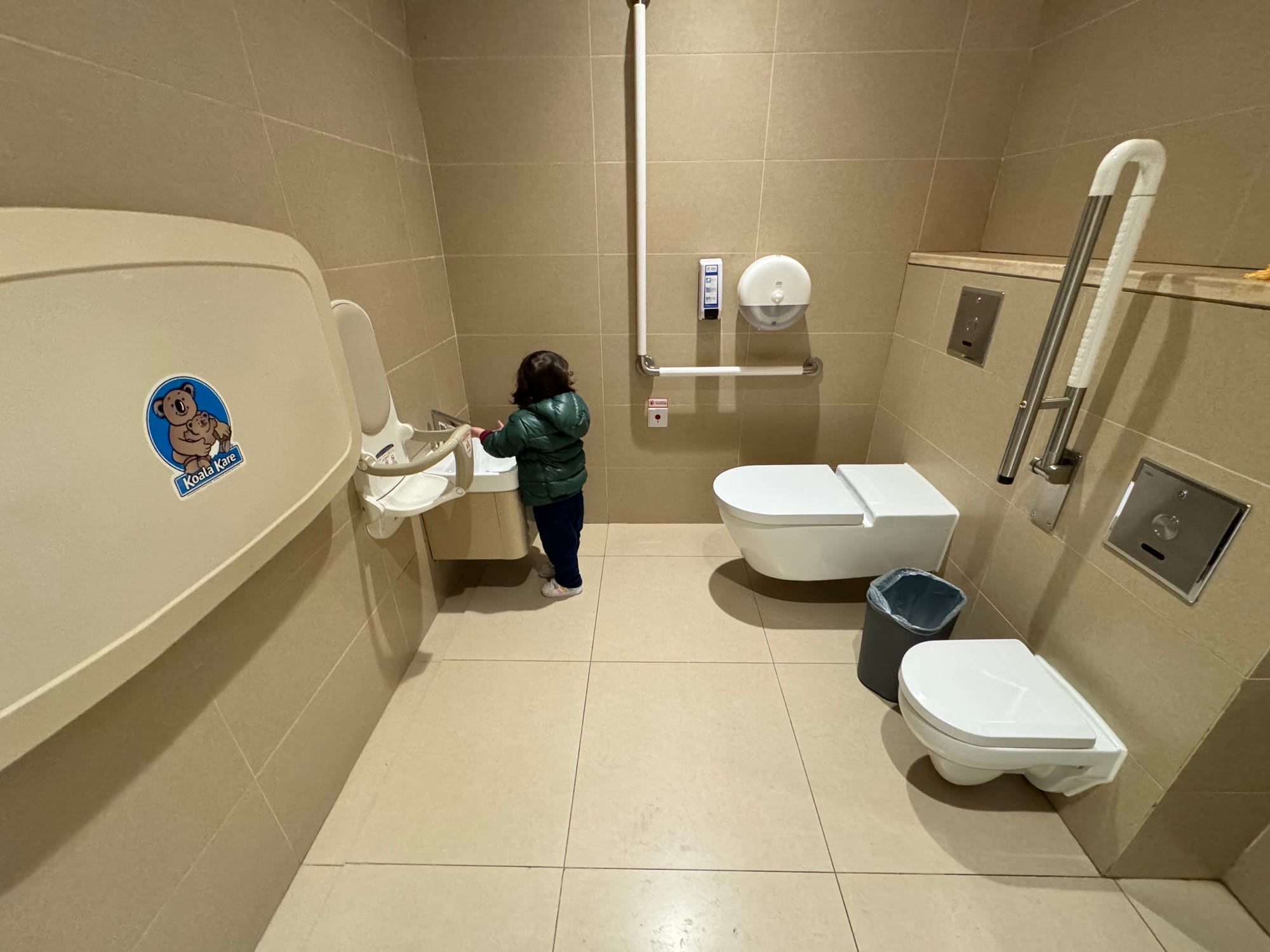
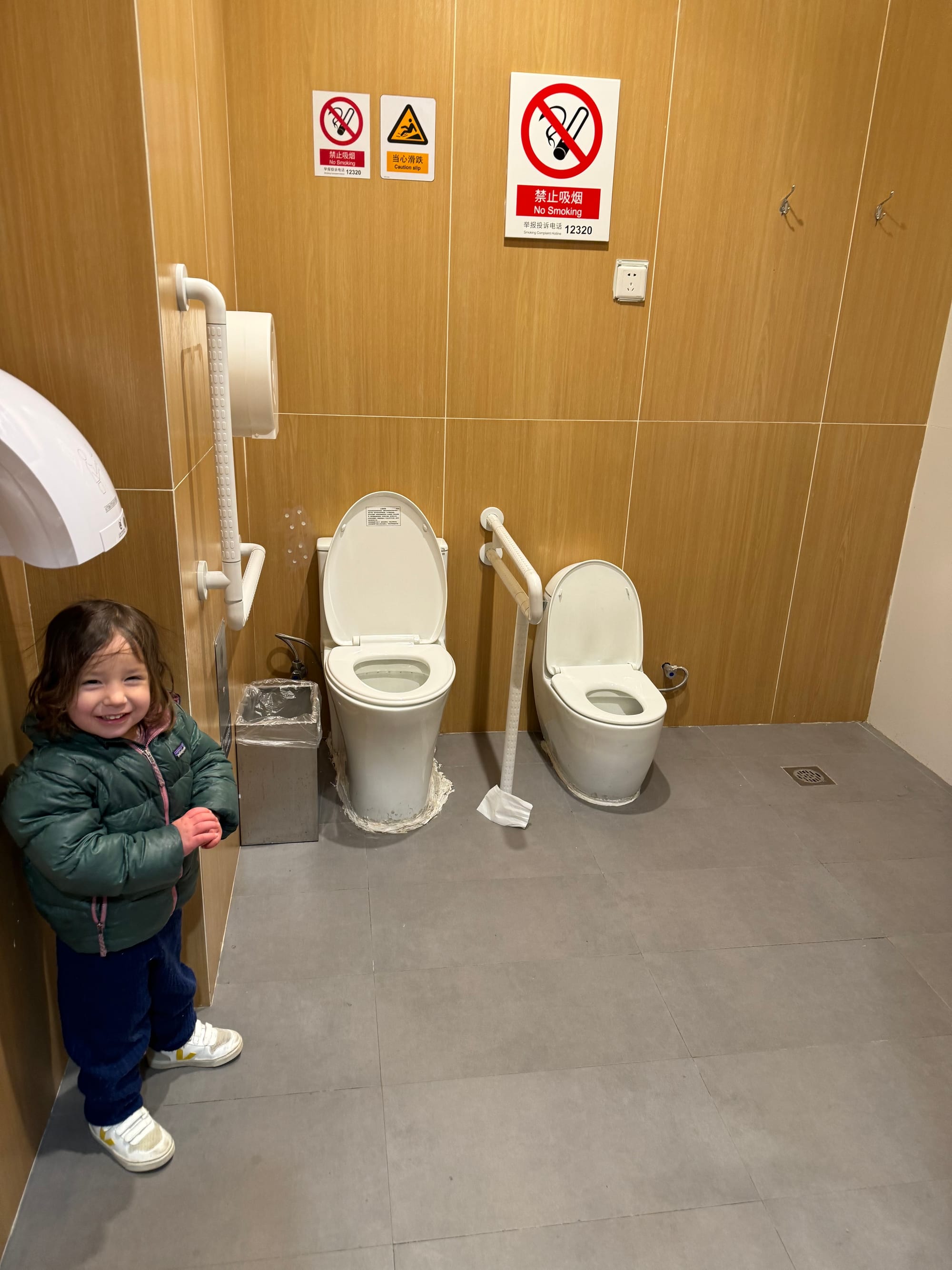
Metro stations in cities like Beijing, Shanghai, Chongqing, and Shenzhen almost always have clean restrooms. Newer stations frequently include dedicated family restrooms (第三卫生间, dì sān wèishēngjiān) — a separate room with a Western toilet, a tiny children's toilet, a baby-changing station, and a child-height sink. These were a lifesaver when traveling with our daughter.
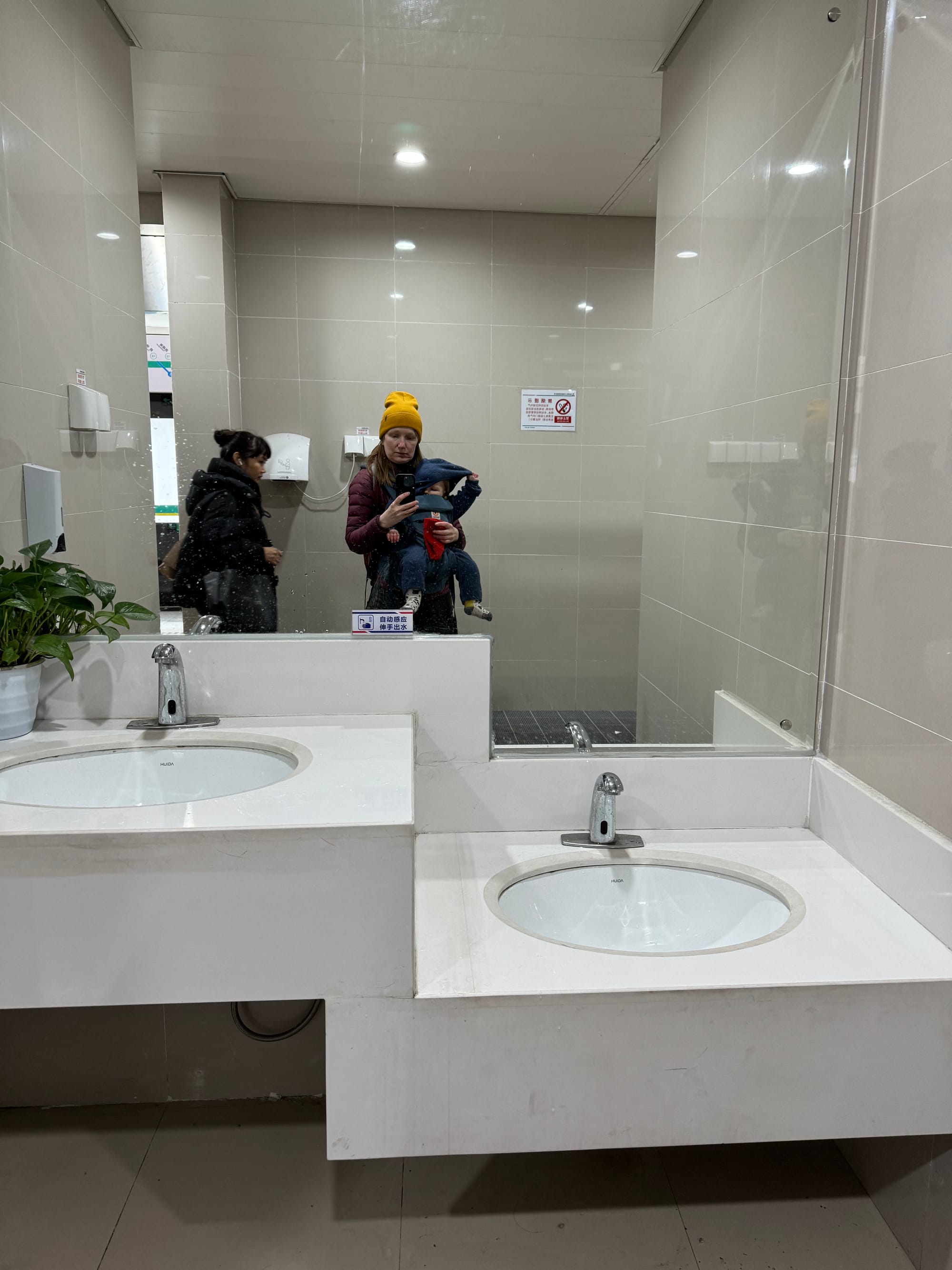
Shopping malls consistently have clean, modern restrooms. This is your best bet if you need a reliable toilet in any Chinese city. Walk into any large mall and head to the restroom — you'll find Western toilets, soap, and usually toilet paper.
Tourist attractions rated AAAAA (China's top tourism rating) are required by law to have accessible Western-style toilets. Most popular sites like the Forbidden City, the Terracotta Warriors, and the Great Wall have decent facilities, though they can get crowded during holidays.
Hotels — even budget ones — virtually always have Western-style toilets. If your accommodation was booked on an international platform like Trip.com, you can count on a private Western toilet in your room.
Rural areas and small towns are where you may still encounter more basic facilities — squat toilets without doors, limited paper, and less frequent cleaning. If you're planning your first trip to China and sticking to major cities, you have nothing to worry about. If you're heading off the beaten path, be prepared but know that even rural facilities are improving year by year.
China's "Toilet Revolution" — Why Things Got Better
If you've heard horror stories from friends who visited China years ago, there's a reason things have changed. In 2015, China launched its national "toilet revolution" (厕所革命) — a government initiative to build more public toilets of better quality across the country. The campaign has its own Wikipedia page, and the results are genuinely impressive.
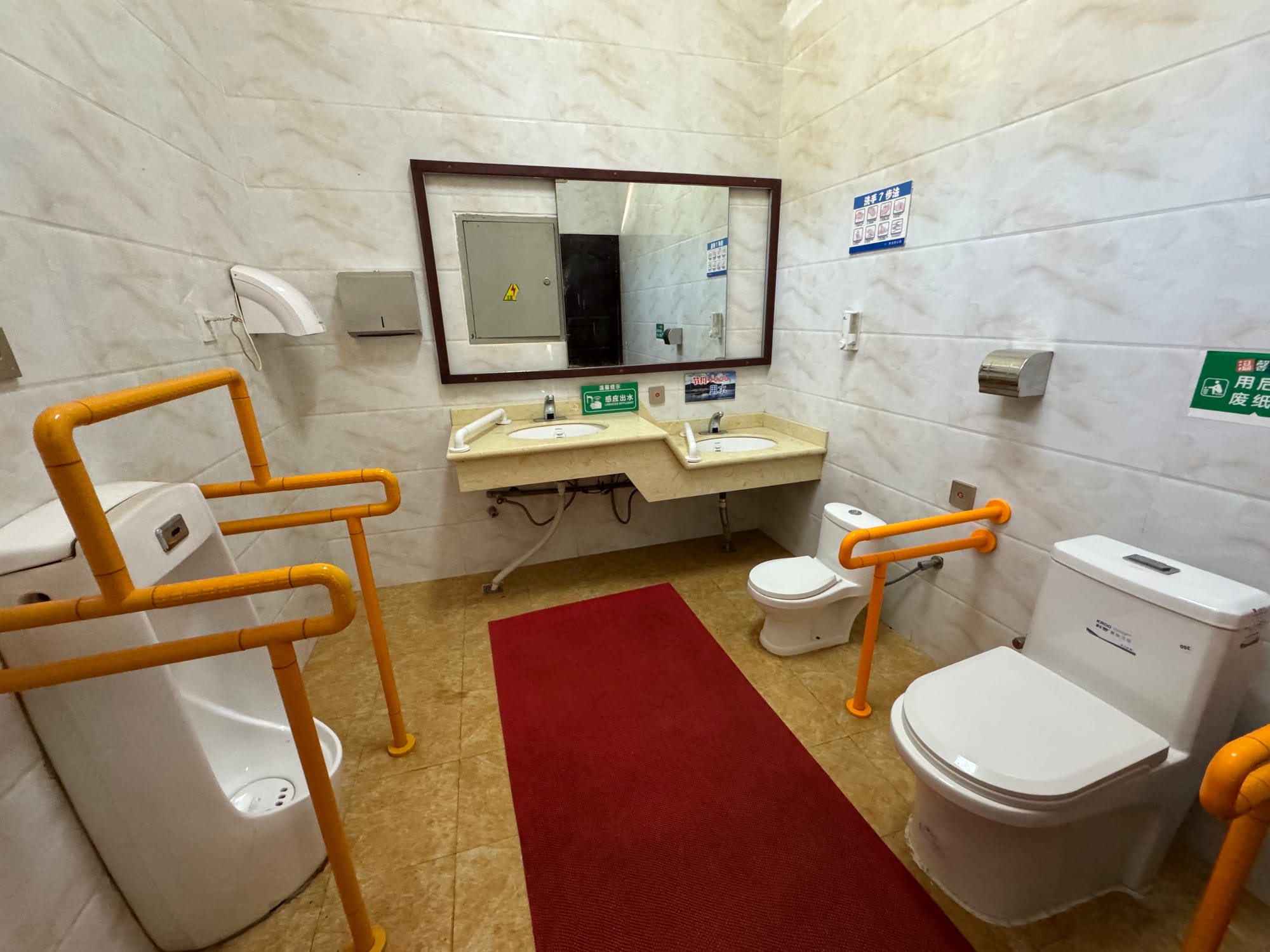
Since then, hundreds of thousands of public restrooms have been built or renovated. All AAAAA-rated tourist attractions are now required to have accessible, Western-style toilets. Family restrooms have become standard in newer metro stations and transport hubs. Even smaller tourist towns have benefited — we found an excellent family restroom in a public park in Lijiang, a relatively small town in Yunnan province.
Do People Still Use Squat Toilets?
Yes — squat toilets (蹲厕, dūn cè) are still most common in China, especially in public restrooms outside of hotels and malls. Many Chinese people actually prefer them, and there's good reason: squatting is the most natural position, it's considered more hygienic since there's no skin contact with a shared surface, and it's what most people grew up using.
In most public restrooms you'll find a mix of squat and Western-style stalls. The Western stalls are usually marked with a symbol on the door or simply by the style of the door handle — you'll quickly learn to spot the difference.
If you need to use a squat toilet, face the hooded end (the raised part with the splash guard), place your feet on the textured footrests on either side, and squat as low as you can. Lean slightly forward for balance. It takes some getting used to, but it's perfectly manageable.
What to Bring: Your Chinese Toilet Survival Kit
This is the single most important section of this post. Always carry these three things in your day bag when exploring Chinese cities:
Tissues or toilet paper — Many public restrooms don't provide toilet paper, or offer a limited amount from a communal dispenser near the entrance. A small pack of travel tissues solves this completely.
Hand sanitizer or wet wipes — Soap isn't always available in public restrooms, and when it is, it can be very watered down. A small bottle of hand sanitizer takes up no space and saves you every time.
A small plastic bag — Useful if you need to dispose of anything when a bin isn't available, especially in more rural areas.
That's it. These three items fit in any pocket or small bag and will cover you in any toilet situation across China. For more packing advice, see our packing guide.
Toilet Paper Etiquette: To Flush or Not to Flush?
This catches many Western travelers off guard. In many Chinese public restrooms, you should NOT flush toilet paper — the plumbing can't handle it. Instead, put used paper in the waste bin next to the toilet.
The simple rule: if there's a bin next to the toilet, use it for your paper. If there's no bin (common in newer hotels and international chains), flushing is fine. Most hotels with Western-style plumbing can handle toilet paper without issues.
How to Find Toilets in China
Public toilets in Chinese cities are well-signposted. Look for blue signs with 公共厕所 (public toilet) or the universal restroom symbols. Here are the most common Chinese words for toilet — knowing these characters helps:
厕所 (cèsuǒ) — toilet, the most common term
洗手间 (xǐshǒujiān) — washroom, used in restaurants and malls
卫生间 (wèishēngjiān) — restroom, formal
男 (nán) — male
女 (nǚ) — female
If you can't spot a public toilet, these backup options work every time:
Shopping malls — always have clean restrooms, no purchase required. This is my go-to strategy in any Chinese city.
KFC and McDonald's — they're everywhere in China and usually have decent toilets.
Hotel lobbies — walk in confidently and look for the restroom sign. Nobody will stop you.
You can also search for 厕所 (toilet) in Chinese map apps like Amap or Baidu Maps, and all nearby public toilets will show up on the map. It's extremely useful. For more essential apps, check our must-have apps for China guide.
Toilets on Chinese Trains
If you're traveling by train in China — and you should, because it's one of the best train systems in the world — here's what to expect.
High-speed trains (G and D trains) have both Western-style and squat toilets, usually one of each per carriage. They start clean but deteriorate over longer journeys. The toilets lock automatically when the train is at a station, so plan accordingly.
Older trains (K and T trains) typically have squat toilets that are less clean. Bring your own toilet paper and hand sanitizer. For more detail on train travel, see our comprehensive guide to China's high-speed rail.
Traveling with Kids? Family Toilets Are Everywhere
This was the biggest and most pleasant surprise of our China trips. Dedicated family restrooms (第三卫生间) are now standard in newer public facilities across Chinese cities. These typically include a Western-style accessible toilet, a small children's toilet at toddler height, a baby-changing table, a baby holder so you can put your infant down while you use the toilet yourself, and child-height sinks.
We found these family restrooms in metro stations, shopping malls, airports, and even some parks. They are genuinely excellent — cleaner and better equipped than most family facilities I've seen in Europe.
For more on traveling in China with little ones, see our guide to diaper changing facilities in China and our honest take on whether China is a good destination with small kids.
FAQs
Are Chinese toilets clean?
In major cities, yes. Toilets in airports, train stations, metro stations, shopping malls, and tourist attractions are generally clean and regularly attended. China's toilet revolution has significantly improved standards since 2015. Rural areas and smaller towns may still have more basic facilities, but they're improving too.
Can you find Western-style toilets in China?
Yes, they're widely available. Most airports, train stations, hotels, shopping malls, and top-rated tourist attractions have Western-style sitting toilets. All AAAAA-rated tourist sites are required to have accessible Western-style toilets by law.
Do Chinese toilets have toilet paper?
Not always. Many public restrooms don't provide paper, or give you a limited amount from a communal dispenser near the entrance. Always carry your own tissues — this is the single best piece of practical advice for any China trip.
Can you flush toilet paper in China?
In most hotels and modern buildings, yes. In many public restrooms, no — the plumbing can't handle it. The simple rule: if there's a waste bin next to the toilet, use it for your paper. If there's no bin, flushing is fine.
How do I find a toilet in a Chinese city?
Public toilets are well-signposted with blue signs. You can also search 厕所 in Amap or Baidu Maps. Shopping malls, KFC, McDonald's, and hotel lobbies are reliable backup options in any city.
Are there family restrooms in China?
Yes, and they're excellent. Newer metro stations, malls, airports, and tourist attractions often have dedicated family restrooms with children's toilets, baby holders, and changing tables. They're one of the best surprises of traveling in China with kids.
What should I bring for using toilets in China?
Three things: a small pack of tissues, hand sanitizer, and a small plastic bag. These fit in any pocket and will cover you everywhere.
Planning Your China Trip?
Toilets are just one small part of preparing for China — and hopefully this guide has shown you there's nothing to worry about. Here are some more resources to help you plan:
 Magda Sawyer
 Magda Sawyer
 Magda Sawyer
 Magda Sawyer