Shanghai Itinerary: How to Spend 3-5 Perfect Days (2026)
A realistic day-by-day Shanghai itinerary — honest pacing, real restaurant tips, family-friendly alternatives, and what this trip actually costs
Share this post:
Last updated: March 2026
Quick Guide
⏱️ Duration: 3 full days (4 nights recommended)
💲 Budget: ~$80–200 per person per day depending on style
🏃 Pace: Relaxed — 2–3 main activities per day, not a sprint
🌡️ Best season: April–May or September–November
👨👩👧 Family-friendly: Yes — family alternatives included for each day
🏨 Where to stay: Nanjing Road for convenience; Jing'an for calmer base
Three days in Shanghai is the sweet spot for most visitors — enough time to experience the famous Bund waterfront, wander the tree-lined lanes of the French Concession, eat your way through some of Asia's best food, and still have breathing room for the unexpected. This itinerary covers Shanghai's must-see highlights at a comfortable pace, with specific restaurant recommendations, realistic timing, and family-friendly alternatives for every day.
To be perfectly honest with you: Shanghai is not our favourite Chinese city. If you asked me to pick between Beijing and Shanghai, I'd choose Beijing every time. Shanghai feels more Western than deeply Chinese — less hutong alleyways, more colonial architecture and international coffee shops. That is not a criticism. It is simply useful to know what kind of city you're walking into.
What Shanghai does deliver is one of the food scene, a characteristic skyline that genuinely makes you stop and stare, and a walkability that most Chinese cities can't match. Three days here gave us a real feel for the city — and we left satisfied without feeling like we needed more time.
As featured in the Lonely Planet 2025 China guidebook. I speak Mandarin and have explored China across multiple extended trips with my family.
👉 This itinerary focuses on what to do each day. For practical planning — visas, payments, apps, transport and where to stay — see our full Shanghai Travel Guide.
Before You Go: Quick Planning Notes
You don't need to read another 2,000 words of practical tips before getting to the itinerary — that is what our Shanghai Travel Guide is for. But here are three things specific to this itinerary that will save you frustration:
Book restaurants 2–3 days ahead. Shanghai is the one Chinese city where popular restaurants genuinely sell out. We wanted to eat at Jesse Restaurant in the French Concession and couldn't get a table for our entire stay. Use Dianping (大众点评) to reserve — it is the Chinese equivalent of OpenTable and works in English.
Set up your apps before you land. You will need AliPay or WeChat Pay for almost everything including metro rides. Link them to an international card or Wise card at home — doing this in China is harder. See our AliPay guide and WeChat guide.
Stay centrally. Distances in Shanghai are deceptive — what looks like a short walk on a map can be 30+ minutes. For this itinerary, staying near Nanjing Road or in Jing'an keeps you within metro reach of everything. See our Where to Stay in Shanghai guide for specific hotel recommendations.
Book everything in one place on Trip.com.🎟 Tours & Tickets
Skip lines with GetYourGuide or Klook.💰 Payments
AliPay and WeChat are a must — use with Wise card for better rates.📱 Stay Connected
For data access without VPN use Saily eSIM.🚖 Airport Transfers
Traveling with luggage? Pre-book a private car pickup for a smooth arrival.
Day 1: Historic Shanghai — The Bund, Yu Garden and North Bund
Your first day covers Shanghai's most iconic sights — the colonial-era Bund waterfront, the classical gardens and bazaars of the Old City, and a lesser-known viewpoint that most tourists never find.
Morning: The Bund and Nanjing Road
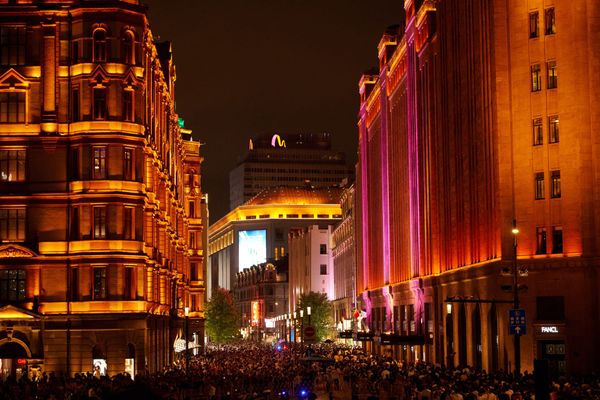
Start early. The Bund is at its best before 9am, when the promenade is quiet enough to actually enjoy the view without fighting through crowds. You will see locals practising tai chi and flying kites against the backdrop of the Pudong skyline — it is one of those moments where Shanghai really delivers.
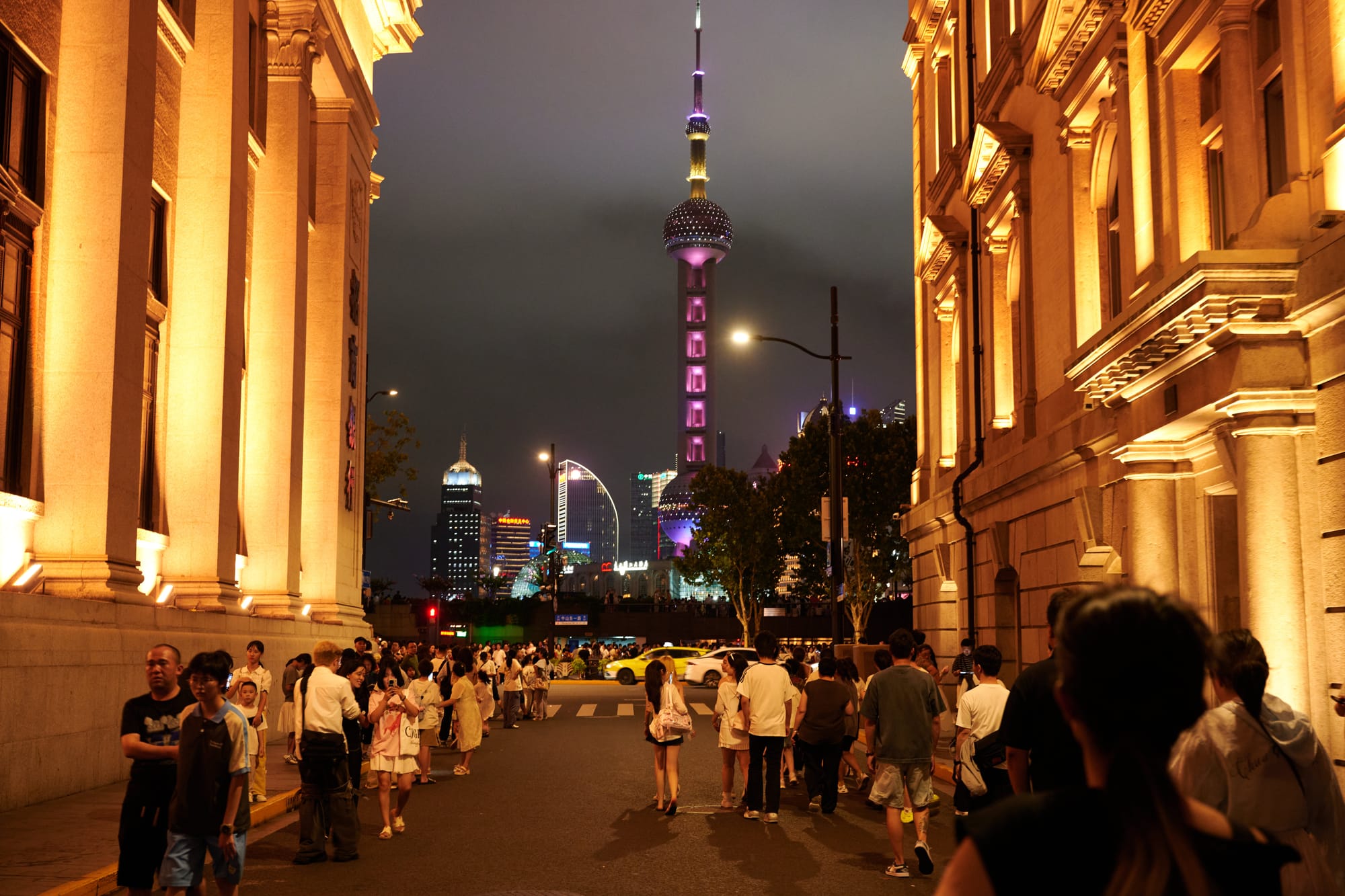
Walk the full length of the waterfront promenade, taking in the colonial-era bank buildings on one side and the futuristic towers of Pudong across the river. This contrast — 19th century Europe meeting 21st century China — is the visual that defines Shanghai.
From the southern end of The Bund, walk inland toward Nanjing Road East. The pedestrian section is touristy but worth a look, especially in the morning before the afternoon shopping crowds arrive. Grab breakfast at one of the bakeries or noodle shops along the side streets.
⏰ Time needed: ~2 hours for The Bund + Nanjing Road walk
Late Morning: Yu Garden and the Old City
From Nanjing Road, it is a 20-minute walk (or one metro stop) south to Yu Garden — a classical Ming Dynasty garden tucked inside Shanghai's oldest neighbourhood.
A few important things about Yu Garden: it opens at 8:45am and gets crowded by midday, so aim to arrive before 10am if possible. The garden itself is relatively small and takes about 60–90 minutes. The surrounding bazaar area is free to enter and fun to wander — street food, tea houses, souvenir shops — though it is firmly tourist-oriented.
👉 Full details including tickets and tips: Complete Guide to Yu Garden
Lunch: Dumplings Near Yu Garden
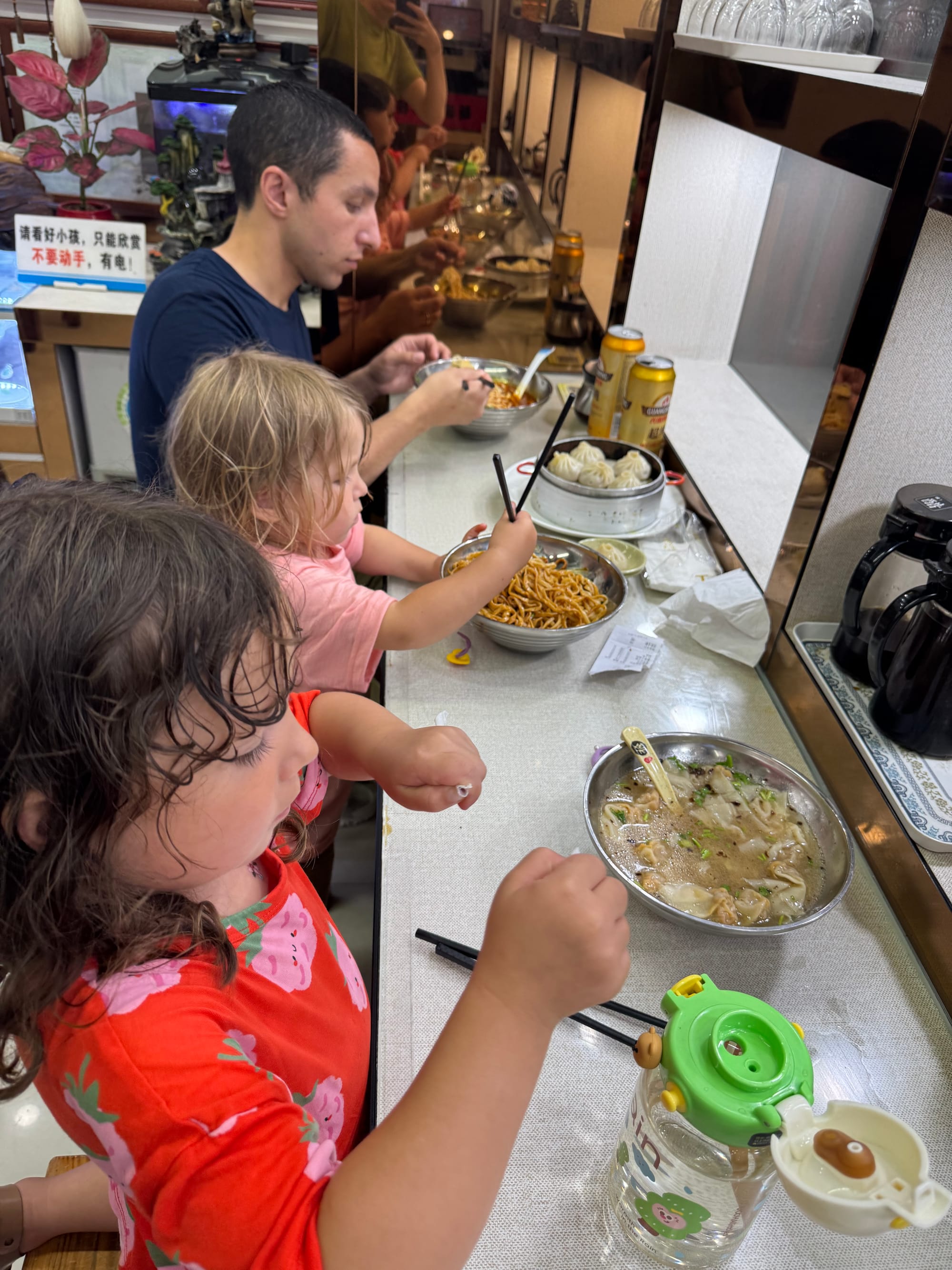
After Yu Garden, eat nearby rather than rushing to another district. Nanxiang Mantou Dian right by the garden serves Shanghai's famous xiaolongbao (soup dumplings) — there is usually a queue but it moves quickly. For something cheaper and more local, duck into one of the small noodle shops on the side streets around the Old City. Scallion oil noodles (葱油拌面) or a bowl of wontons will cost ¥15–25 and hit the spot.
Afternoon: North Bund — The View Without the Crowds
Here is a tip that most Shanghai guides skip entirely: North Bund (北外滩) offers arguably better skyline views than The Bund itself, with a fraction of the tourists.
Take the metro to International Passenger Terminal station (Line 12) and walk along the riverside promenade. You get the full panorama — the colonial Bund buildings on your left, the Pudong towers directly ahead — but from a different angle and without fighting for photo space. There are cafés along the walkway if you want to sit and take it in.
This is also a lovely spot around sunset if you want to come back later, but if you are following this itinerary, the afternoon light is beautiful for photos here.
⏰ Time needed: 1–1.5 hours for a relaxed walk
Evening: Dinner and Bund by Night
Head back to The Bund area for dinner. If you have booked ahead (and you should), try Jesse Restaurant (吉士酒家) in the French Concession for authentic Shanghainese home cooking — it is one of the most popular restaurants in the city and books out days in advance. Alternatively, find a local noodle spot near your hotel — Shanghai's neighbourhood restaurants are consistently good.
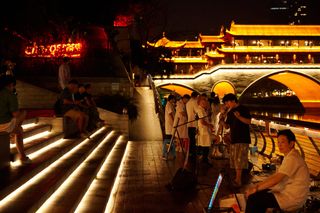
After dinner, walk The Bund one more time. The Pudong skyline lights up after dark and it is genuinely spectacular — completely different from the morning visit. This is the Shanghai photo you came for.
Day 2: The French Concession, Parks and Local Life
Day 2 is about slowing down and experiencing the side of Shanghai that most visitors remember longest — the tree-lined streets, hidden cafés and neighbourhood parks where you start to see how local Shanghainese actually live.
Morning: French Concession Walk
Start at Xintiandi — a restored shikumen (stone-gate house) neighbourhood that has been converted into a pedestrian area with cafés, restaurants and shops. It is polished and a bit touristy, but the architecture is genuinely beautiful and it is a good orientation point for the French Concession.
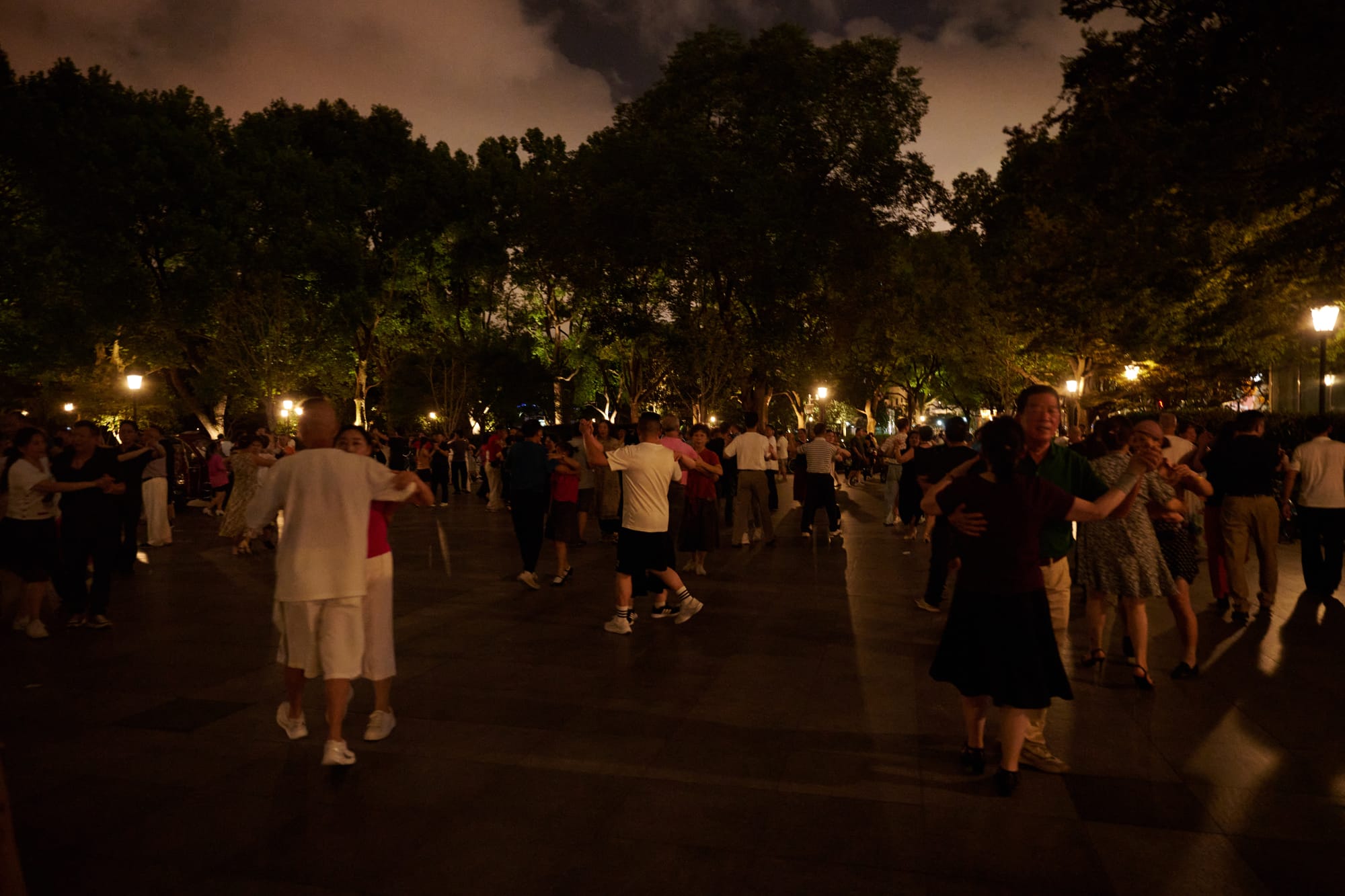
From Xintiandi, walk south to Fuxing Park. This is one of our favourite spots in Shanghai — a French-designed park where you will find locals playing mahjong, practising tai chi, dancing in groups and walking their grandchildren. It is the kind of place where you can sit on a bench for 30 minutes and feel like you are actually in China rather than on a tourist trail.
From Fuxing Park, continue west along the leafy lanes toward Wukang Road — possibly the most photographed street in Shanghai. The Normandie Apartments building at the intersection of Wukang and Huaihai is an art deco landmark that draws photographers all day long.
⏰ Time needed: 2–3 hours for the full walk at a relaxed pace
Lunch: French Concession Eats
The French Concession has the highest concentration of good restaurants in Shanghai. A few options depending on your mood:
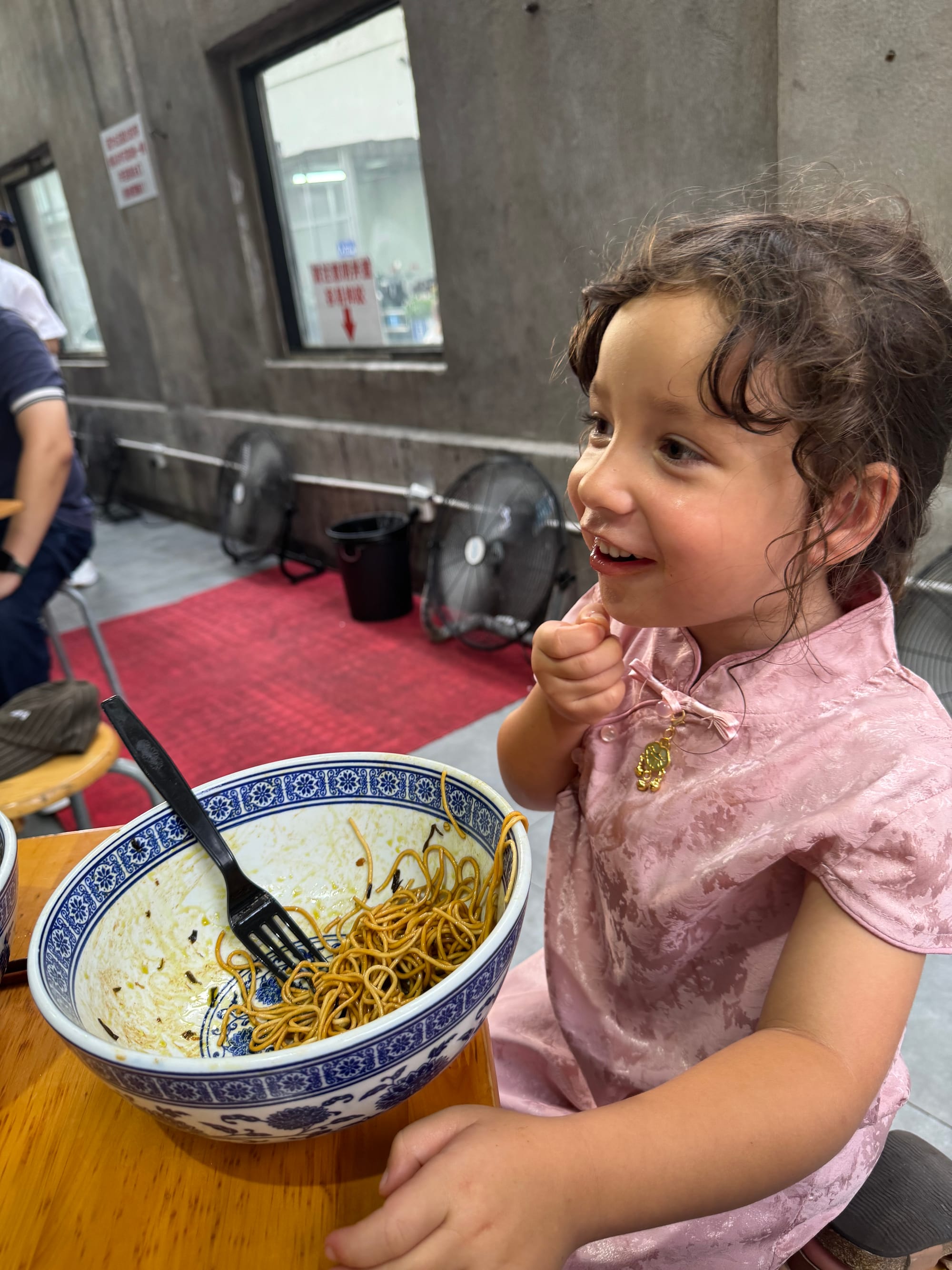
- Huxilao Longtang Noodle House (沪西老弄堂面馆) — near Wukang Road, this is a proper local spot with hand-pulled noodles and no English menu. Use your translation app, point at what the table next to you is eating, and enjoy. Expect to pay around ¥20–30 per person. This is the kind of place where you feel like you have found the real Shanghai.
- Yang's Fry Dumpling (小杨生煎) — legendary pan-fried dumplings, crispy bottoms, soup inside. Multiple locations, always cheap (¥10–15 for a serving).
- Something international — the French Concession is full of Italian, Japanese and brunch spots if you need a break from Chinese food. No judgement.
Afternoon: Tianzifang and Jing'an Temple
Tianzifang is a warren of narrow lanes filled with small shops, art studios and cafés. It is touristy but genuinely atmospheric — especially the upper floors of the shikumen buildings where artists still work. Budget 45–60 minutes.
Then take the metro to Jing'an Temple (Line 2 or 7). This active Buddhist temple sits incongruously among skyscrapers in one of Shanghai's busiest commercial districts — the contrast is part of the appeal. Entry is ¥50 and includes incense. The temple is beautifully maintained and far less crowded than Yu Garden.
Evening: Zhongshan Park — Where Locals Actually Go
This is the experience I recommend most to anyone visiting Shanghai. Take the metro to Zhongshan Park (Line 2, 3 or 4) and arrive around 6–7pm.
Every evening, the park transforms into Shanghai's living room. Groups of locals gather to dance — waltzes, line dances, fan dances — often with portable speakers and coloured lights. Nearby, people sing karaoke, play badminton, walk their dogs and gossip on benches. Children run everywhere. It is completely unselfconscious and completely wonderful.
This is what I mean when I say Shanghai requires effort to find the real city underneath the tourist polish. Zhongshan Park at dusk is the real city.
👉 Read more: Zhongshan Park in Shanghai
Day 3: Modern Shanghai — Pudong, Museums and Skyline Views
Your final day crosses the river to Pudong — the financial district with the futuristic skyline you have been admiring from The Bund. This is also the day for museums if you are interested, and for any shopping you want to squeeze in.
Morning: Cross to Pudong
The cheapest and most fun way to cross the Huangpu River is the local ferry from the Bund to Lujiazui — just ¥2 and 5 minutes. It is what commuters use and it gives you a boat-level view of both skylines. Avoid the pricey tourist cruise boats.
In Pudong, you have two main choices for getting up high:
- Shanghai Tower — the tallest building in China (632m). The observation deck on the 118th floor offers 360° views. Entry ~¥120. Best on clear days.
- Shanghai World Financial Center — the "bottle opener" building. Slightly lower but with a glass-bottom skywalk. Entry ~¥120.
Pick one — doing both is unnecessary as the views overlap. On a clear morning, either one is jaw-dropping. On a hazy day, save your money and enjoy the skyline from ground level.
⏰ Time needed: 1.5–2 hours including queuing
Late Morning: Lujiazui Walk or Museum
After the observation deck, walk through the Lujiazui elevated walkways that connect the three supertall towers. The scale of these buildings is hard to appreciate from across the river — standing at their base is a different experience entirely.
If museums interest you, the Shanghai Ocean Aquarium is right here and is especially good for families. The tunnel aquarium with sharks swimming overhead keeps kids mesmerised for a solid hour.
👉 Read more: Shanghai Ocean Park
Lunch: Lujiazui or Back to Puxi
Pudong's dining options around Lujiazui are mostly mall food courts and hotel restaurants — functional but not exciting. If you want something more characterful, take the metro back across the river (Line 2, one stop) and eat in the Nanjing Road or People's Square area. There are good dumpling and noodle spots on the side streets behind Nanjing Road.
Afternoon: Shanghai Museum or Nanjing Road Shopping
Two options depending on your interests:
Option A: Shanghai Museum (People's Square) — one of China's best museums with outstanding bronze, ceramics and calligraphy collections. Free entry, but book online in advance. Allow 2 hours.
Option B: Nanjing Road shopping — both the pedestrian East Nanjing Road (mainstream shopping) and the more upscale West Nanjing Road offer plenty of options. The side streets have interesting local shops if you wander off the main drag.
Evening: Farewell Dinner
For your final evening, treat yourself. A few ideas:
- Xiaolongbao farewell — if you haven't had proper soup dumplings yet, Din Tai Fung in Xintiandi is reliable and foreigner-friendly.
- Rooftop drinks — several hotels along The Bund have rooftop bars with skyline views. Expensive by Shanghai standards (cocktails ¥80–120) but a memorable way to end the trip.
- One more local meal — find a neighbourhood restaurant near your hotel and order whatever the table next to you is having. Some of our best meals in China were unplanned ones.
Adapting This Itinerary
If You Have 1–2 Days
Compress Days 1 and 2: The Bund in the morning, Yu Garden before lunch, French Concession walk in the afternoon, Zhongshan Park in the evening. Skip Pudong unless the weather is spectacular. Two days is tight but doable for the essentials.
If You Have 4–5 Days
With an extra day or two, consider:
- Shanghai Disneyland (full day) — takes a full day including travel time. Line 11 runs directly there. My honest take: if you are visiting China for the first time, spending an entire day at an international theme park feels like a missed opportunity when there are so many unique local experiences available. But if your kids are Disney fans and it will make the trip for them, it is a well-run park. Book tickets in advance.
- Shanghai Astronomy Museum (half day + travel) — genuinely world-class, but it is far from central Shanghai in Lingang. Consider booking a night in a Lingang hotel to avoid the 2-hour each way commute.
- Deeper neighbourhood exploration — spend a morning in Hongkou, the old Jewish quarter, or visit the beautiful 1933 Old Millfun (a converted slaughterhouse turned creative space).
Rainy Day Alternatives
Shanghai summers are rainy. If the weather turns:
- Shanghai Museum or Natural History Museum (both excellent and indoors)
- Shopping mall exploration — Shanghai's malls are enormous and often architecturally interesting
- Indoor playgrounds — Meland Club and NeoBio have multiple Shanghai locations and are genuinely impressive
- A long lunch at a restaurant you booked on Dianping
👉 More ideas: Things to Do in Shanghai
What About Day Trips?
Every Shanghai guide recommends day trips to Suzhou (30 min by train), Hangzhou (1 hour) or Zhujiajiao water town (1 hour by bus). I have a different take.
Suzhou and Hangzhou are both cities that deserve at least one or two nights on their own. Taking a high-speed train, rushing through a garden or two, and rushing back — you will see the surface but miss what makes these places special. If your China trip is long enough, add them as separate stops on your itinerary rather than cramming them into a back-and-forth day trip from Shanghai.
Zhujiajiao is the exception — it is close enough for a genuine half-day trip if you have a spare afternoon. But it is also very touristy and if you have been to any ancient water town elsewhere in China, you will not find anything new here.
My honest recommendation: spend your 3 days actually getting to know Shanghai. Then, if you have more time, take the train to your next destination and stay there.
👉 See our First Time in China: How to Plan Your Itinerary for help building a multi-city route.
What This Itinerary Actually Costs
Here is a realistic breakdown for 3 days in Shanghai per person, based on mid-range travel:
- Accommodation: $80–150/night × 4 nights = $320–600 (split between two people: $160–300 each)
- Food: $15–30/day = $45–90 for 3 days
- Metro: ¥3–7 per ride, ~6 rides/day = ~¥60–120 total ($8–17)
- Attractions: Yu Garden ¥40 + Jing'an Temple ¥50 + Observation deck ¥120 = ~¥210 ($30)
- DiDi rides: 2–3 rides × ¥30–50 = ~¥100 ($14)
Total estimate per person: $260–450 for 3 days (mid-range, sharing accommodation)
Shanghai is China's most expensive city, but it is still remarkably affordable by European or American standards. The biggest variable is accommodation — everything else is cheap.
Where to Go Next from Shanghai
Shanghai's two train stations connect you to everywhere in eastern China. Rather than doing rushed day trips, build these into your broader itinerary:
- 🚄 Suzhou — 30 min. Classical gardens, canals, the stunning I.M. Pei museum. Stay 1–2 nights.
- 🚄 Hangzhou — 1 hour. West Lake, tea plantations, one of China's most beautiful cities. Stay 2 nights.
- 🚄 Nanjing — 1.5 hours. Ming Dynasty history, tree-lined boulevards, great food.
- 🚄 Beijing — 4.5 hours. In our opinion, Beijing offers a much deeper Chinese experience. → Beijing Travel Guide
- 🚄 Changsha — 4 hours. China's hottest new tourist city, incredible food scene. → Changsha Guide
👉 How to buy train tickets in China | Train travel essentials
FAQs
Q: Is 3 days enough for Shanghai?
A: Yes — 3 full days (4 nights) covers all the major highlights at a comfortable pace. You will see The Bund, Yu Garden, the French Concession, Pudong skyline and several local neighbourhoods. If you want to add Disneyland or the Astronomy Museum, plan 4–5 days instead.
Q: What is the best area to stay for this itinerary?
A: Nanjing Road for maximum convenience — you can walk to The Bund and Yu Garden from Day 1. Jing'an is our preferred choice for families, offering a quieter neighbourhood with easy metro access to everything. See our Where to Stay in Shanghai guide.
Q: Should I visit Shanghai Disneyland?
A: If your kids are Disney fans and it will genuinely make the trip for them, it is a well-run park. But we would not prioritise it over experiencing local Shanghai — there are incredible indoor playgrounds like Meland Club that are uniquely Chinese and just as fun for kids. See our Shanghai with Kids guide for our full take.
Q: Do I need to book restaurants in advance?
A: Yes — Shanghai is the one Chinese city where this matters. Popular spots book out 2–3 days ahead, especially on weekends. Download Dianping (大众点评) and book before you arrive.
Q: Is Shanghai worth visiting if I can only pick one Chinese city?
A: If you can only visit one city, we would recommend Beijing for a deeper Chinese cultural experience. Shanghai is wonderful but feels more international than traditionally Chinese. If you have time for both, the bullet train connects them in 4.5 hours. See our Beijing vs Shanghai comparison.
Q: Can I do this itinerary with kids?
A: Absolutely. We have included family-friendly alternatives for each day. Key tips: use a carrier rather than a stroller, build in playground breaks (NeoBio near Yu Garden is perfect), and don't try to do everything. See our full Shanghai with Kids guide.
Q: What if it rains?
A: Shanghai gets rain year-round, especially in summer. The Natural History Museum, Shanghai Museum, Ocean Aquarium and indoor playgrounds are all excellent rainy-day options. Malls in Shanghai are also architecturally interesting and worth exploring.
Ready to Plan Your Shanghai Trip?
🏨 Find hotels in Shanghai — Trip.com has the widest selection for China
✈️ Book flights and trains
🎟 Book activities and tours — skip-the-line tickets
🚕 Book airport transfer — recommended for families
📱 Get an eSIM — data access without VPN hassle
Related Posts:
 Magda Sawyer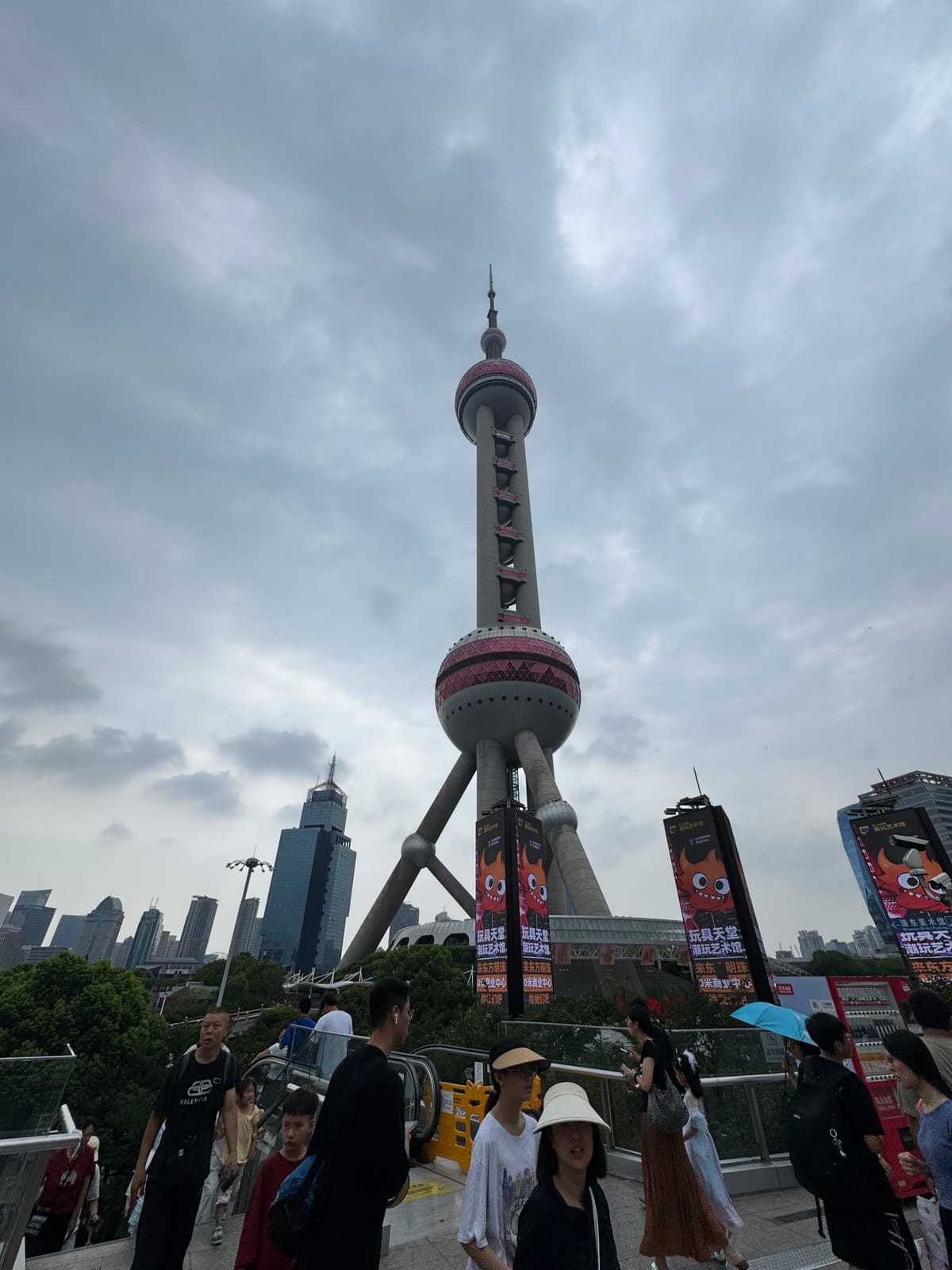
 Magda Sawyer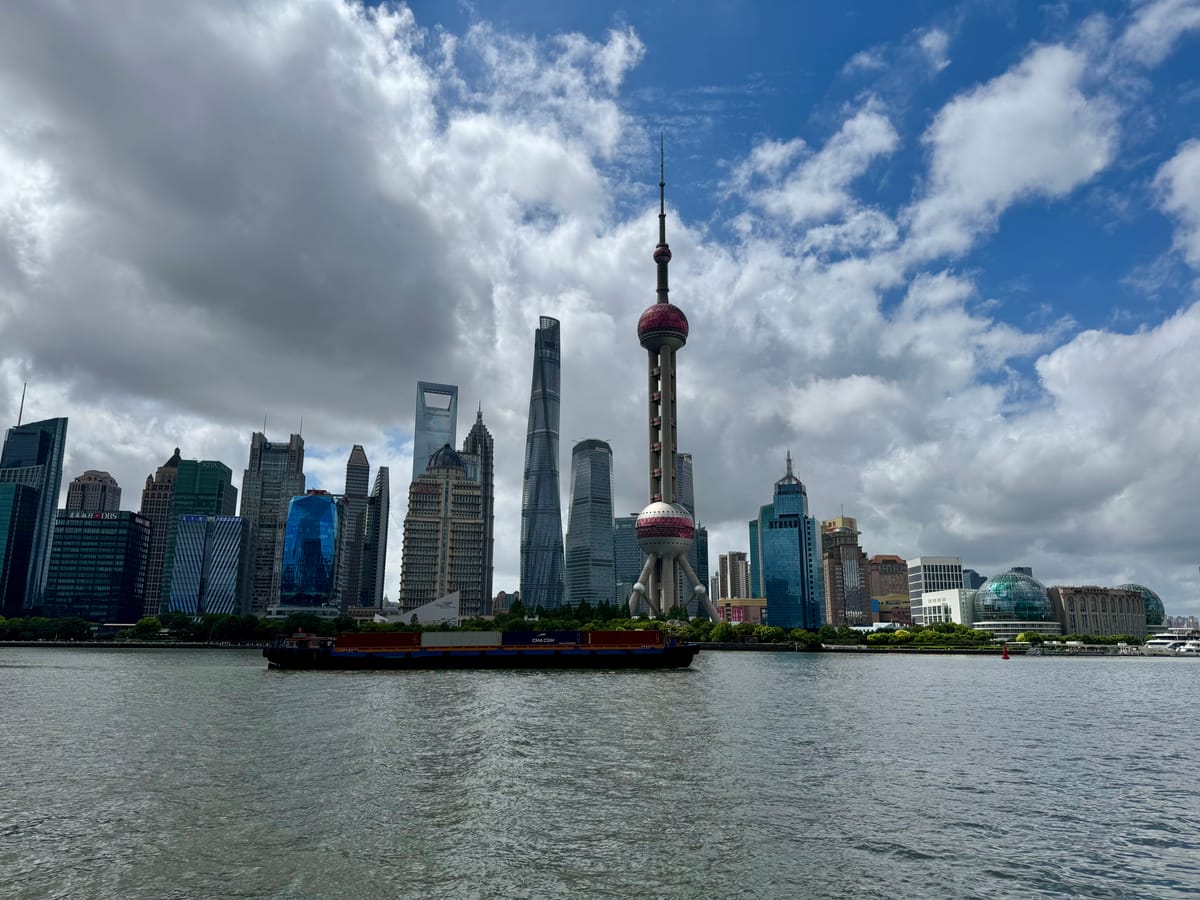
 Magda Sawyer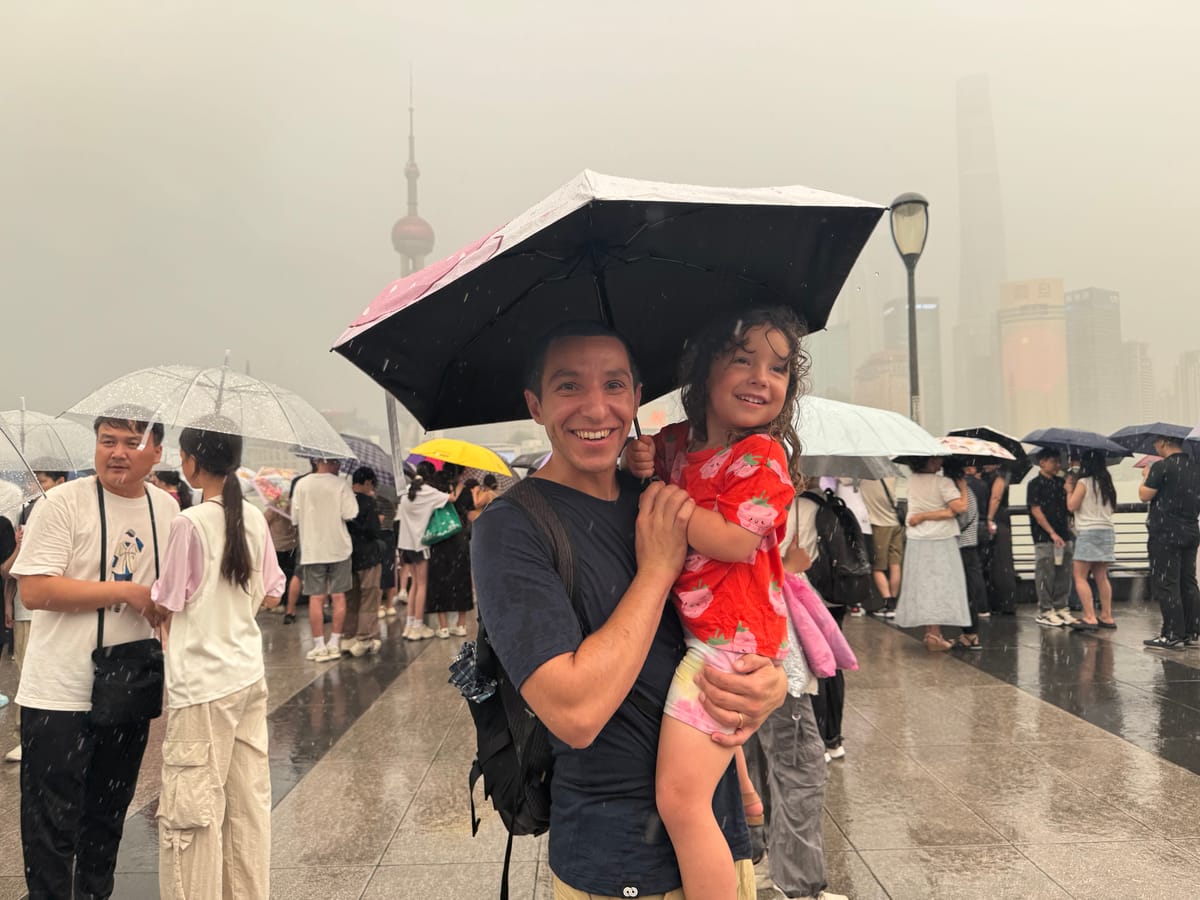
 Magda Sawyer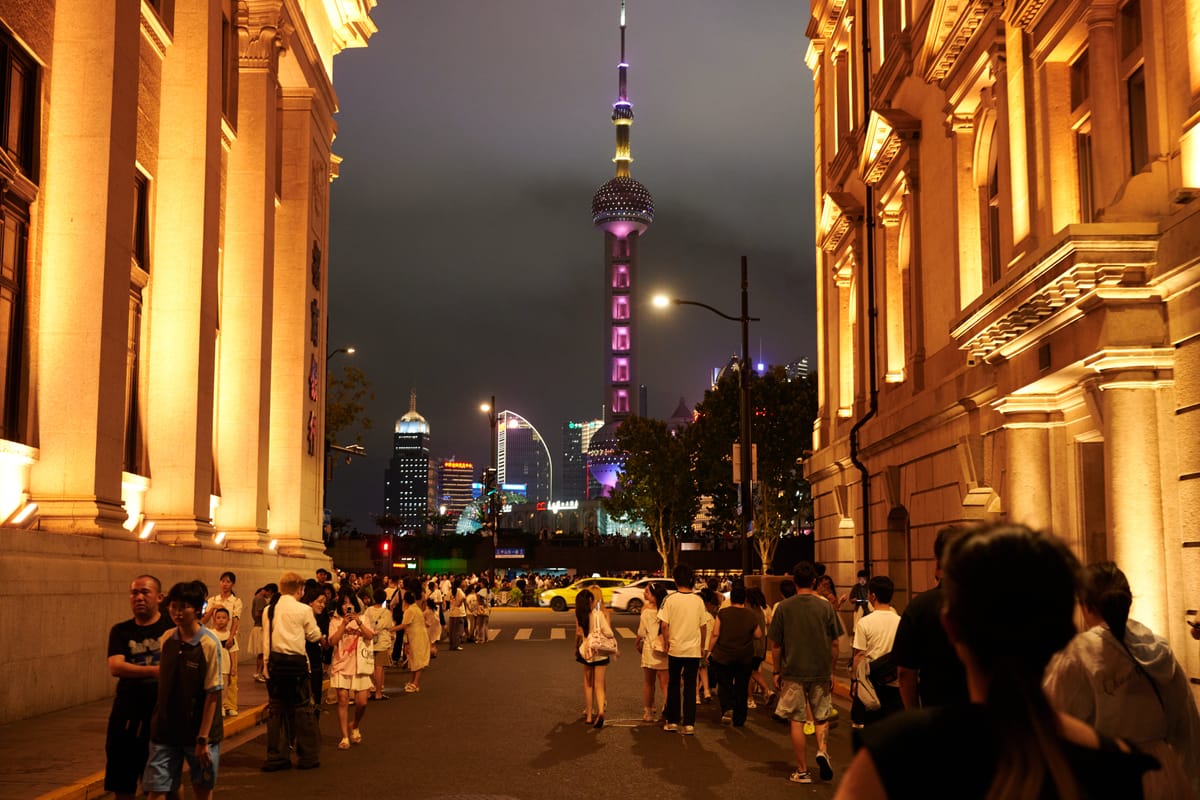
 Magda Sawyer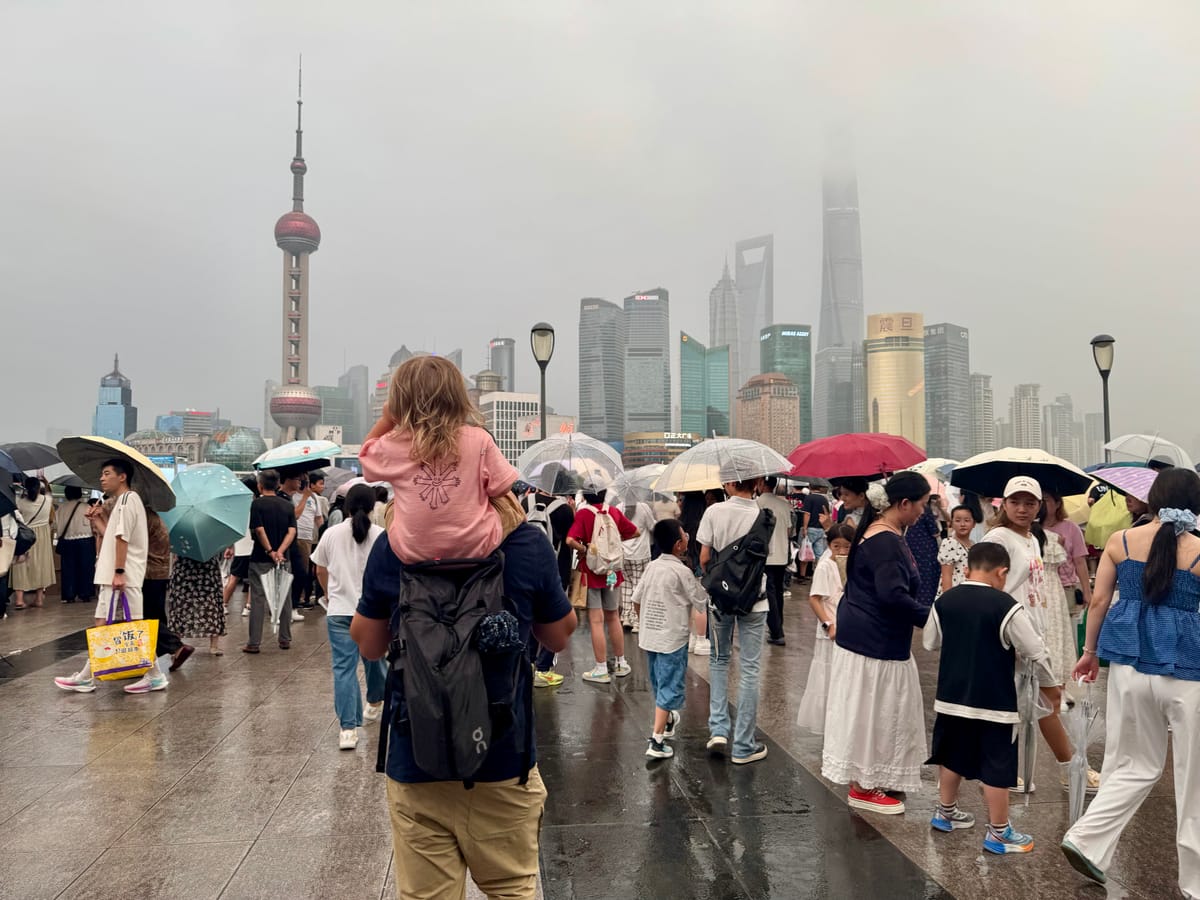
 Magda Sawyer