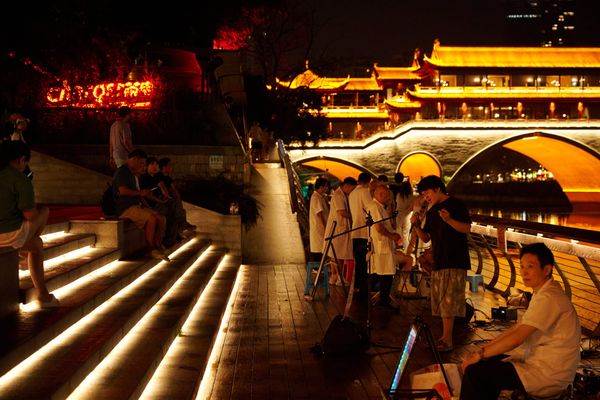
China Travel: The How-To Guide For First-Timers
All you need to know to have knowledge and confidence to prepare for your first trip to Middle Kingdom
Share this post:
Quick Summary
🗺️ Country: East Asia, 9.6 million km²
⏱️ Recommended duration: 2–4 weeks
💲 Daily budget: $50–$150 per person
🌡️ Best time to visit: April–May or September–October
🛂 Visa: 30-day visa-free for 50+ countries
💰 Currency: Chinese Yuan (CNY/RMB)
🚅 Best transport: High-speed trains
🔒 Safety: Very safe for tourists
There are multiple reasons why China is a beloved travel destination — it has diverse landscape, contless ethnicities with their own culture and customs and thousand years of continuously developing civilisation. Its size and relative self-reliance has allowed it to resist Western influance and develop in a distinct and unique way.
While challenging in the past due to the language barrier and poor infrastructure, it is now much easier than people think to visit.
Citizens of 50+ countries can now enter visa-free for up to 30 days, the high-speed train network connects the entire country, and mobile payment apps make navigating everyday life surprisingly smooth even if you don't speak Mandarin.
Plan at least two weeks to experience different regions, budget $50–150 per day depending on your style, and visit in spring or autumn for the most comfortable weather across most of the country.
Me and my husband are seasoned travellers who have travelled extensively before we have kids, and now together with kids. And the reason why I write this is that even though most of our holiday abroad are in China, we have been to many places in Americas, Europe and Asia, and it is only China that makes us want to keep on coming again and again.
While in most countries you don‘t see year on year how they are evolving and transforming, China is changing so fast, that every time we come back things feel slightly different — especially when it comes to convenience of travel. New train connections, online arrival cards, visa exemptions, payment options for forigners — it is hard to keep up with the pace of change. What was true two years ago may already be outdated.
This guide reflects what travel in China actually looks like right now, based on months of on-the-ground experience.
As featured in the Lonely Planet 2025 China guidebook. I am learning Mandarin and together with my family we keep coming back to China.
In This Guide
- Why Visit China
- Best Time to Visit
- Visa & Entry Requirements
- How Much Does China Cost
- Money & Payments
- Internet & Staying Connected
- Getting Around China
- Language & Communication
- Where to Go: Top Destinations
- Suggested Itineraries
- Where to Stay
- Food & Eating
- Traveling China with Kids
- Safety & Health
- What to Pack
- FAQs
- Plan Your Trip
Why Visit China
Most people when think about visiting China still think about main historical landmarks and major tourist cities.
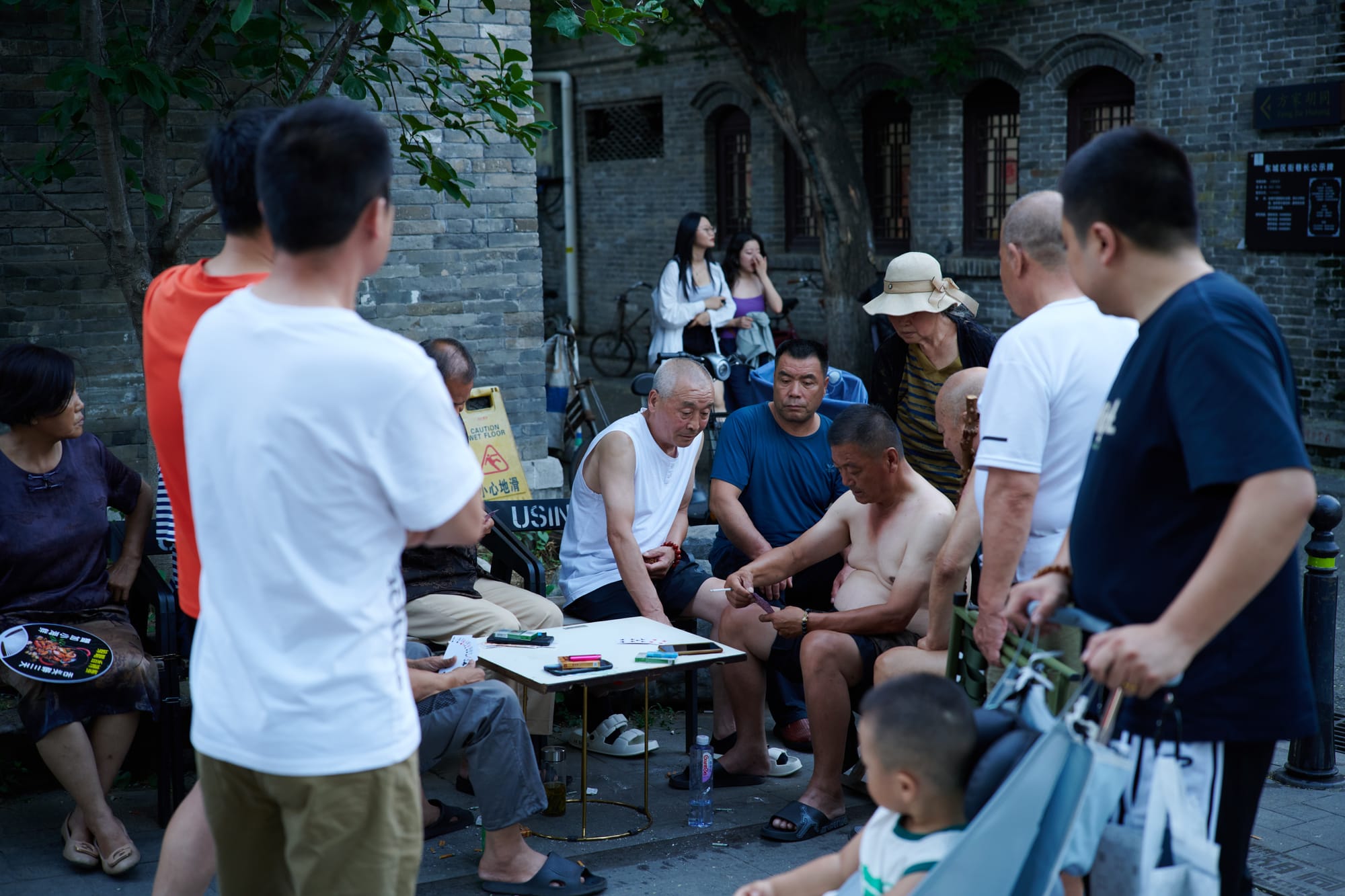
But here's what most China travel guides won't tell you: the must-see attractions are often the least memorable part of the trip. Yes, the Forbidden City is impressive and the Terracotta Warriors are world-class. But the experiences that stay with you are different — walking through a park where grandmothers dance at sunrise, eating the best noodles of your life from a street stall that has no English sign, watching your kids get showered with attention from strangers who genuinely love children.
China offers something that's increasingly rare in global travel: genuine discovery. The country is so vast and changes so fast that even repeat visitors find new things each time. Cities feel alive in a way that's hard to describe — there's a constant energy and a sense of momentum, that makes living in Europe feel sleepy by comparison.
What makes China special for independent travelers:
China's high-speed rail network is the best in the world, making it easy to hop between cities without flying. Hotels offer exceptional value — $100/night gets you genuine luxury. The food is extraordinary and incredibly diverse, varying dramatically from region to region. And despite what you might read online, people are warm, helpful, and endlessly curious about foreign visitors.
Especially for adventurous families, China is an amazing destination — you can again feel like explorers you once were without the stress that something will go terrible wrong or need for taking hours long bus journeys. It is a perfect blend of ease and discovery, of culture and entertainment, which I believe is unique to China.
An honest note about expectations: Tourism in China, especially outside the cities, is often highly commercialized. Many "ancient villages" and scenic areas have been rebuilt, polished, and turned into ticketed attractions. If your time is limited, prioritize cities over countryside — Chinese cities offer a far more authentic experience than most tourist-oriented rural destinations. The vibrant street life, local parks, neighborhood restaurants, and everyday interactions are where you'll find the real China.
→ For a deeper dive into planning philosophy, read How to Plan Your First Trip to China
Best Time to Visit
The short answer: April–May and September–October offer the most comfortable temperatures across most of China.
Spring (March–May): Warming temperatures, cherry blossoms in many cities, and manageable crowds. April is the sweet spot — warm enough for comfortable walking without summer humidity. Our spring itinerary takes advantage of blooming landscapes across the country. → China Spring Itinerary
Summer (June–August): Hot and humid in most regions, with temperatures regularly exceeding 35°C in cities like Chongqing (which can hit 40°C+). This is peak domestic travel season due to school holidays — expect crowds and higher prices. The upside: Yunnan's high-altitude cities stay cool, and northern destinations like Harbin are pleasant.
Autumn (September–November): Arguably the best time. Clear skies, golden foliage, and comfortable temperatures. Avoid the first week of October (Golden Week) when domestic travel peaks and prices surge — 300 million Chinese people travel during this period.
Winter (December–February): Cold in the north (Beijing averages -5°C to 5°C), mild in the south (Guangzhou, Hong Kong). Harbin's Ice Festival (January–February) is spectacular and worth the cold. Chinese New Year (date varies) is magical to experience but difficult to travel during — trains sell out weeks in advance.
The honest truth: China is so vast that you can find somewhere good to visit in every season. The "worst" time is Golden Week — avoid it if you can.
Visa & Entry Requirements
The good news: China now offers 30-day visa-free entry for citizens of 50+ countries, including most EU nations, the UK, USA, Canada, and Australia. This is a temporary policy that has been extended multiple times and is likely to continue. You don't need to apply in advance — simply declare your intention at the border.
When we traveled visa-free in September 2024, we filled out a standard landing card listing our intended destinations and first hotel. Border control didn't ask for proof of onward travel, though I'd recommend having it ready just in case.
If you need a visa: The standard tourist visa (L visa) costs $140 for US citizens and varies by nationality. Apply at your nearest Chinese consulate or visa center — best to do it few weeks ahead of time, but the processing of the visa takes 3 business days. You'll need your passport, a completed application form, passport photos, proof of accommodation, and a return flight booking.
→ Full details and country-specific requirements: Visa-Free Travel to China
How Much Does China Cost
China offers remarkable value for money. Here's what to expect per person per day:
Budget ($40–70/day): Budget hotels or hostels, street food and local restaurants, metro transport, free parks and museums. Very doable in tier-2 cities like Chengdu, Changsha, or Wuhan. Tighter in Beijing and Shanghai.
Mid-range ($70–120/day): Good 4-star hotels, mix of restaurants, some guided tours or premium attractions, occasional DiDi rides. This is where most independent travelers land, and it feels comfortable.
Luxury ($150+/day): 5-star international hotels, business class trains, fine dining, private guides. What's striking about China is that $200/night gets you what would cost $400+ in London or Tokyo.
The family advantage: Hotels charge per room, not per person. A family of four pays the same as a couple for the same room. Kids under 1.2m ride trains free and enter most tourist attractions for free. Family travel in China is remarkably affordable.
Flights from Europe to Beijing or Shanghai typically cost €700–1000 return when booked 2–3 months ahead. Chinese airlines (Air China, China Eastern, China Southern) often offer the best value.
→ Detailed breakdown with real prices: How Much Does a Trip to China Cost
Money & Payments
The single most important thing to know: China runs almost entirely on mobile payments. Cash is rarely needed — even street food vendors expect you to scan a QR code. But setting this up as a foreigner is straightforward.
Your setup (do this before you leave):
- Download AliPay and WeChat — these are your two payment apps. Link an international credit card to both. AliPay is slightly easier for tourists; WeChat is more useful for messaging and booking services. Use both.
- Get a Wise card — it gives you the best exchange rates and avoids the expensive conversion fees most credit cards charge. Link it to your AliPay account for the cheapest payments.
- Tipping: Don't. Tipping is not part of Chinese culture and can cause confusion.
→ Step-by-step setup: AliPay Guide | WeChat Guide
Internet & Staying Connected
China's Great Firewall blocks Google, WhatsApp, Instagram, Facebook, YouTube, and most Western social media when you're connected to Chinese WiFi or a local SIM card.
The workaround most travel blogs don't mention: If you use data roaming on your regular phone number, everything works normally. The firewall only applies to local Chinese networks. This is what we often do — it's the simplest solution, and with many European plans now including reasonable roaming rates, it's often cost-effective too.
If you are using an eSIM, same thing — you don‘t need VPN. You can buy it directly in AliPay and it is very cheap.
If you need a local SIM (because you need a Chinese phone number), you'll need a VPN to access Western services. Set it up and test it before you arrive in China.
→ Detailed guide: How to Access Google in China
Getting Around China
High-speed trains are the best part of Chinese travel (at least for us). The network is the world's most extensive, connecting virtually every major city. Trains are fast (up to 350 km/h), punctual (really — Swiss-level punctual, or better!), comfortable, and affordable. We've taken dozens of trains across China and no domestic flights on family trips. Traveling by train lets you appreciate the sheer scale of the country and watch the landscape change between regions.
Key train routes and times:
- Beijing → Shanghai: 4.5 hours
- Beijing → Xi'an: 4.5 hours
- Shanghai → Hangzhou: 1 hour
- Chengdu → Chongqing: 1.5 hours
- Guangzhou → Shenzhen: 30 minutes
How to book: Use Trip.com — it has an English interface, allows advance booking, and handles cancellations smoothly. The official Chinese site (12306.cn) works but is harder to navigate. Tickets release 15 days in advance; book early for peak routes.
→ Complete guide: Train Travel in China | How to Buy Train Tickets
Within cities: Metro systems are excellent, cheap, and easy to use — pay with your AliPay QR code. For destinations not on the metro, use DiDi (Chinese Uber) directly from WeChat — no separate app needed.
→ Full transport guide: Public Transport in China | How to Use DiDi
Language & Communication
The honest answer: You don't need to speak Chinese to travel in China, but even a few words make a huge difference. In major cities, metro systems have English signage, international hotels have English-speaking staff, and usually you can find someone who speaks some English (not always). Outside these situations, English is limited.
What you actually need:
A good translation app is essential. We use it daily — for reading menus, asking for directions, and communicating with taxi drivers. The real-time camera translation feature (point your phone at Chinese text) is a game-changer for restaurant menus.
→ App recommendations: Best Translation Apps for China
Essential phrases (these genuinely help):
- 你好 (nǐ hǎo) — Hello
- 谢谢 (xiè xie) — Thank you
- 多少钱 (duō shao qián) — How much?
- 这个 (zhè ge) — This one (incredibly useful when ordering food)
- 不要 (bú yào) — Don't want / No thanks
- 买单 (mǎi dān) — The bill, please
I study Mandarin myself (currently HSK3, working toward HSK4) and can tell you that even basic phrases change how people interact with you. The effort is noticed and appreciated. However, they do not help much with communication, as the barrier is more than a language, it is a completely different culture, and people just expect different things,
→ If you're interested in learning more: Learning Mandarin as an adult | Is learning Mandarin worth it?
Where to Go: Top Destinations
China is enormous, and choosing where to go is the hardest part of planning. Here's how I'd approach it, based on six trips across the country.
First-Timers: Start Here
Beijing — 3–5 days China's capital and in my opinion, the best city to start your China journey. The Forbidden City, Great Wall, hutong alleyways, and incredible parks. Beijing feels deeply, authentically Chinese in a way that other major cities don't. It's also easier to navigate than you'd expect. → Beijing Itinerary | Things to Do | Where to Stay
Shanghai — if you are only choosing one of the major cities, I would pick Beijing every time, but Shanghai is the most popular city among travellers and expats alike, so maybe we are an exception. 3–4 days is probably enough, with a spectacular skyline, world-class museums, and the French Concession's tree-lined streets, you will have things to do. I'll be honest: Shanghai feels definitely the least "Chinese" of all the cities we've visited — more London or Singapore than Beijing or Chongqing. But the food is extraordinary, and if you're combining it with nearby Hangzhou or Suzhou, it's a natural hub. → Travel Guide | Things to Do | Where to Stay
Xi'an — 2–3 days The Terracotta Warriors alone justify the trip, but Xi'an offers much more: cycling the ancient city wall, the Muslim Quarter's incredible street food (the best in China, in my opinion), and a Tang Dynasty history that predates Beijing. The classic Beijing + Xi'an combination works perfectly — 4.5 hours apart by bullet train. → Where to Stay
Chengdu — 3–4 days Giant pandas, legendary Sichuan cuisine, lively tea houses, and People's Park where locals actually gather. Chengdu has a relaxed energy that's different from China's other big cities. Don't miss a Sichuan opera face-changing performance. → Things To Do | Where to Stay
Going Deeper
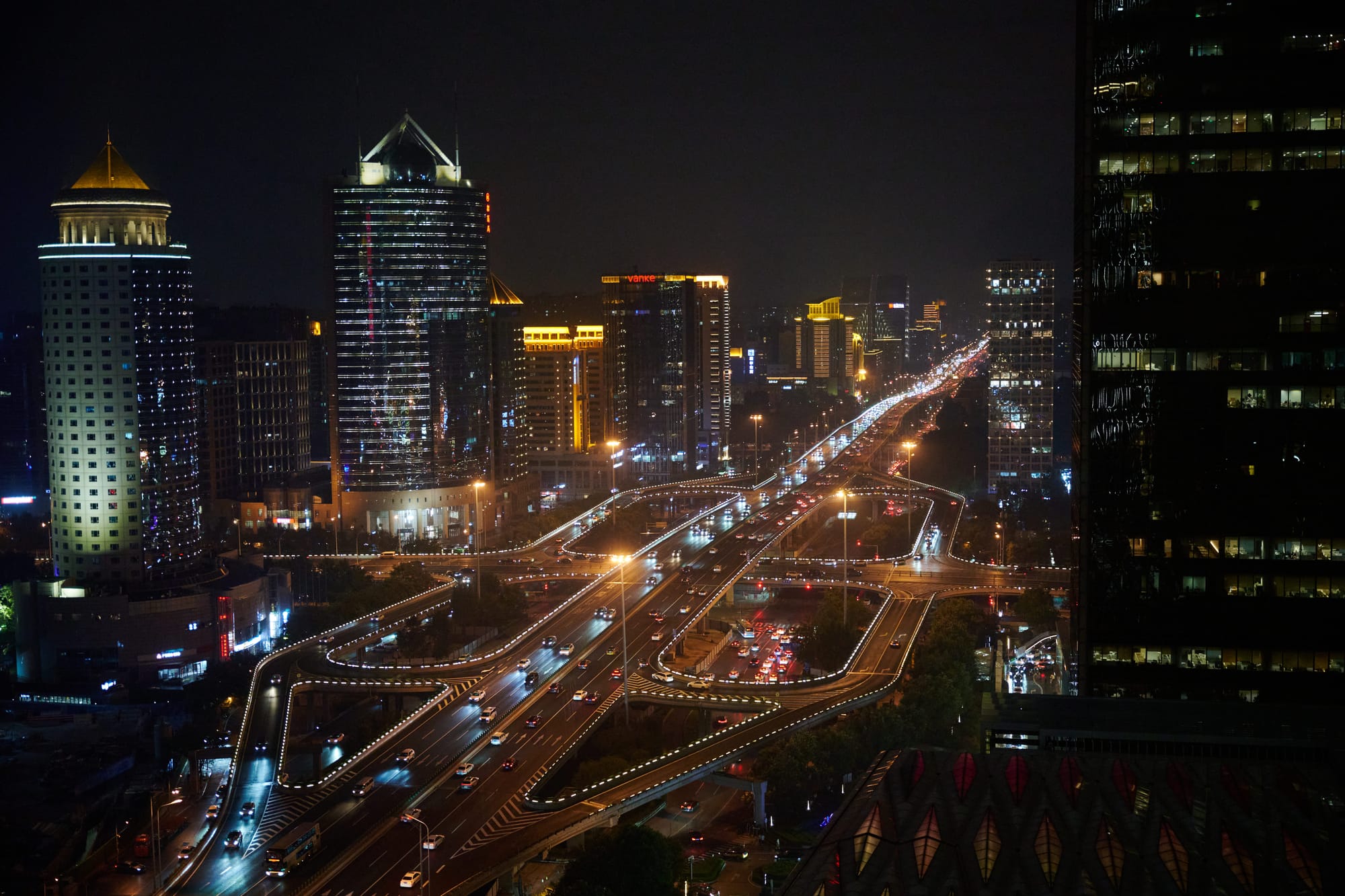
Chongqing — 3–5 days China's most visually dramatic city — a vertical maze built across steep mountains where trains pass through apartment buildings. The food (hotpot!) is incredible, the nighttime skyline is jaw-dropping, and it's genuinely off the beaten tourist track despite being a megacity of 30+ million people. → Travel Guide | Where to Stay
Shenzhen — 2–3 days If you want to see where China is heading, come here. Built from a fishing village to a tech megacity in 40 years, Shenzhen feels like stepping into the future. Also just 20 minutes from Hong Kong by train.
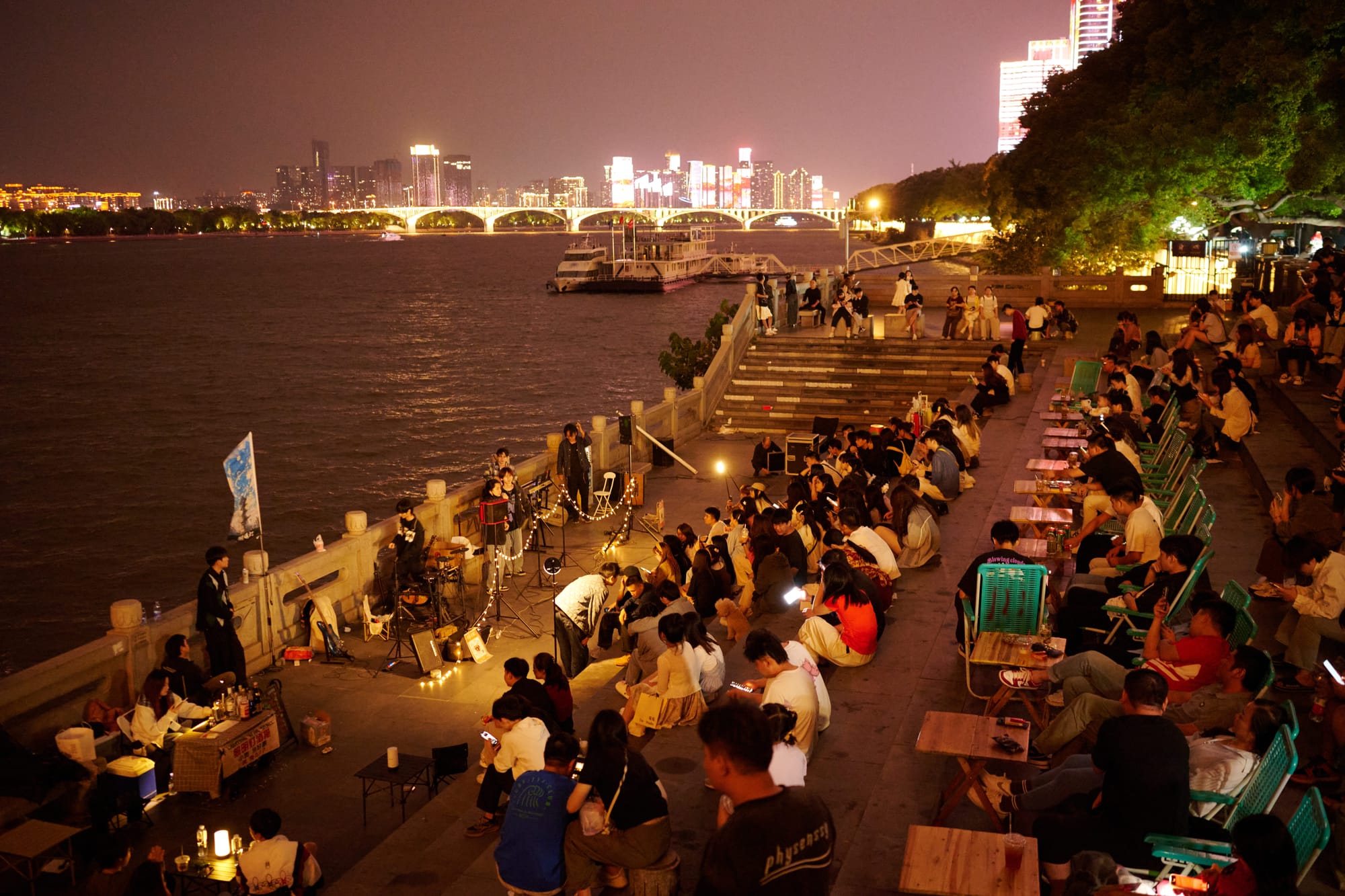
Changsha — 2–3 days Hunan's capital is a foodie destination with a vibrant nightlife scene and gateway to stunning natural landscapes. An underrated city that rewards travelers who venture beyond the standard circuit.
Wuhan — 2–3 days Central China's biggest city sits conveniently between Beijing and southern destinations. Excellent street food, Yellow Crane Tower, and East Lake — one of China's largest urban lakes.
Guangzhou — 2–3 days The capital of Cantonese cuisine. If food is your thing, Guangzhou delivers some of the best dim sum and roasted meats you'll ever eat. Also a gateway to the Pearl River Delta. → Where to Stay
Harbin — 2–3 days (winter only) Worth the trip for the Ice Festival alone (January–February). Massive ice sculptures lit with colored lights, temperatures of -20°C, and Russian-influenced architecture. A completely different China experience. → Where to Stay
Hong Kong — 3–4 days Technically a Special Administrative Region, Hong Kong offers a fascinating contrast between Chinese and Western culture. World-class food, incredible skyline, and easy to combine with Shenzhen or Guangzhou. → Where to Stay
Off the Beaten Path
Yunnan Province — Kunming, Dali, Lijiang, and the dramatic landscapes of China's southwest. Diverse ethnic cultures, high-altitude scenery, and some of the most photogenic places in the country.
Zhaoxing, Guizhou — A stunning Dong minority village reachable by high-speed train from Guilin. One of the most memorable places we've visited — traditional wooden architecture set in a lush valley.
Gansu — The Silk Road, Zhagana's Tibetan villages, and Xiahe's monasteries. Remote, dramatic, and about as far from tourist China as you can get.
Tibet — Requires a permit and an organized guide, but offers some of the most profound travel experiences in Asia. The Qinghai-Tibet railway journey is unforgettable.
Suggested Itineraries
1 Week — The Classic Duo Beijing (4 days) → Xi'an (3 days). This covers China's two most historically significant cities and gives you the Forbidden City, Great Wall, Terracotta Warriors, and incredible food. Connected by a 4.5-hour bullet train.
2 Weeks — The Grand Tour Beijing (4 days) → Xi'an (2 days) → Chengdu (3 days) → Chongqing (3 days) → fly home or continue. This is the sweet spot for most first-timers on the visa-free policy. → Full 2-Week China Itinerary
3 Weeks — The Complete Experience Our recommended duration for a first trip that doesn't feel rushed. Add Yunnan, Changsha, Zhangjiajie, or Shanghai to the 2-week base. → Full 3-Week Spring Itinerary
My pacing philosophy: Go slow. Stay at least 3 days in each city. Skip attractions when you're tired — the best memories come from wandering, not from checking boxes. There can always be a next trip.
→ Detailed planning guide: How to Plan Your First China Trip
Where to Stay
The booking platform for China: Trip.com has the widest selection of Chinese hotels — many excellent local properties don't appear on Booking.com or Expedia. Prices are often lower for the same room. We've booked every hotel through Trip.com.
What to expect: Chinese hotels charge per room, not per person. Always book a rate with breakfast — hotel breakfast buffets are extensive and include both Chinese and Western options. Request a high floor (better views, less noise) at check-in.
Budget context: $30–50/night gets you a clean, comfortable budget hotel. $80–120/night gets a quality 4-star with good amenities. $150–250/night gets genuine luxury that would cost double in Europe.
Pro tip: Show the hotel name and address in Chinese characters to your taxi driver. English hotel names are often completely different from Chinese names. Keep a screenshot of each hotel's Chinese address on your phone.
→ How to book: Hotel Booking Guide
City-specific hotel guides: Beijing · Shanghai · Xi'an · Chengdu · Chongqing · Guangzhou · Harbin · Hong Kong · Sanya
→ For a different perspective: Luxury Travel in China
Food & Eating
Chinese food is the single biggest reason to visit, and it's nothing like what you get in Chinese restaurants abroad. Every region has its own distinct cuisine, and the variety is staggering.
Regional highlights you shouldn't miss:
Beijing: Peking duck (of course), jianbing (savory breakfast crepes), zhajiangmian (noodles with soybean paste). Use Amap to find highly-rated local restaurants — the best places rarely have English signs.
Sichuan (Chengdu & Chongqing): Hotpot, mapo tofu, dan dan noodles, kung pao chicken. Yes, it's spicy — but most restaurants offer non-spicy options and mild broth for hotpot. Our kids eat Sichuan food regularly and love it.
Shanghai: Xiaolongbao (soup dumplings — try Yang's Fry Dumpling for the pan-fried version), crab noodle soup, scallion oil noodles. Book popular restaurants via Dianping 2–3 days ahead — Shanghai is the one Chinese city where good restaurants regularly sell out.
Xi'an: The Muslim Quarter has some of the best street food in China — roujiamo (Chinese "burgers"), biangbiang noodles, lamb skewers.
Guangzhou: Dim sum at its birthplace. Go early — locals start dim sum at 7am.
How to order without speaking Chinese: Use your translation app's camera feature to read the menu. Point at what other tables are eating — that is probably single best way to get what you want. Show photos on your phone. Or simply say "这个" (zhè ge — "this one") while pointing.
Street food is safe in our experience. We've eaten street food across China on every trip and never had issues. Look for stalls with high turnover and a crowd of locals.
→ Traveling with picky eaters? Food Options for Kids in China
Traveling China with Kids
If you're considering a family trip to China, let me reassure you: we first brought our daughters when they were 4 months and 2.5 years old, and we've been going back ever since. China is one of the most family-friendly destinations we've experienced.
Why it works: Chinese people genuinely adore children. Expect strangers to wave, smile, and want to take photos with your kids. Metro stations have accessible facilities. Hotels cater to families with extra beds, welcome gifts, and sometimes free upgrades. High-speed trains are smooth enough for napping toddlers. And the sheer variety of things to see — from pandas in Chengdu to the Great Wall to theme parks — means kids never get bored.
What to watch for: Air quality varies by city and season. Squat toilets are common (shopping malls and international hotels have Western ones). Strollers can be tricky on crowded sidewalks — consider a carrier for babies and toddlers.
The best cities for families: Beijing (parks, history, kid-friendly museums), Chengdu (pandas!), Shanghai (Disneyland, aquarium, Science Museum), and Shenzhen (tech-forward entertainment).
→ Complete family guide: China with Kids: Yes, You Can Do This | China with a baby
→ City-specific: Beijing with Kids | Beijing vs Shanghai for Families
Safety & Health
China is one of the safest countries we've traveled in. Violent crime against tourists is virtually unheard of, and even petty crime (pickpocketing, bag snatching) is rare compared to European cities. We've walked through cities late at night with our children without ever feeling unsafe.
The biggest "risk" is honestly cultural: locals wanting to take selfies with your kids, or being so eager to help that they walk you three blocks to your destination. It's charming, not threatening.
Health considerations:
- Don't drink tap water — bottled water is cheap and available everywhere
- Air quality can be poor in some cities, especially in winter — however it has improved significantly over the recent years and most of the time it actually stays within limits. Check AQI apps if this concerns you
- Pharmacies are well-stocked and easy to find. Major cities have hospitals with English-speaking staff.
- Get travel insurance before your trip
What to Pack
China-specific essentials beyond your normal travel kit:
Before you leave: Download AliPay, WeChat, a translation app, and Amap. Set up payment methods. These are more important than any physical item you'll pack.
Physical essentials: A universal power adapter (China uses Type A, C, and I — a universal adapter covers all three). Powerbank with CCC certification (European CE is not accepted, and they will check it at the airport and take the powerbank away if not compliant). Comfortable walking shoes (Chinese cities involve a lot of walking). Tissues/wet wipes (not all bathrooms have toilet paper). A light rain jacket (weather can change quickly). Sunscreen.
What you don't need to pack: Most things you might forget are cheap and easy to buy in China. Chinese cities have convenience stores on every corner.
→ All our recommended tools and resources in one place: China Travel Resources → Essential apps: Must-Have Apps for China
Frequently Asked Questions
Is China safe for tourists?
Yes. China is one of the safest countries we've traveled in. Violent crime against tourists is virtually unheard of, petty crime is rare, and even as a family with young children we've always felt completely safe, including walking through cities at night.
Do I need a visa to visit China?
Many nationalities can now visit visa-free for up to 30 days under China's expanded policy. This includes most EU countries, UK, USA, Canada, and Australia. Check our visa guide for your specific country.
Can I use Google and WhatsApp in China?
Not on Chinese WiFi or a local SIM — the Great Firewall blocks most Western services. However, data roaming on your home phone plan bypasses the firewall entirely. This is what we do and it works perfectly. If you use a local SIM, you'll need a VPN. → Full guide
How much does 2 weeks in China cost?
For a mid-range trip covering 3–4 cities, expect $1,500–2,500 per person excluding flights. Budget travelers can manage on $800–1,200. Luxury travelers should plan $3,000+. Flights from Europe add €500–800 return. → Detailed budget breakdown
Do I need to speak Chinese to travel in China?
No, but a translation app is essential. Major cities have English metro signage and international hotels have English-speaking staff. Beyond that, English is limited. Even a few Mandarin phrases change how people interact with you — the effort is genuinely appreciated.
What's the best time to visit China?
April–May and September–October offer the most comfortable weather. Avoid the first week of October (Golden Week) and Chinese New Year (date varies) unless you specifically want to experience the festival — crowds and prices both spike dramatically.
Is China good for family travel?
Absolutely. We've traveled there six times with our children, starting when our youngest was 4 months old. Chinese people love kids, infrastructure is family-friendly, and the variety of experiences means every age group finds something to enjoy. → China with Kids guide
Can I drink the tap water?
No. Use bottled water, which costs about ¥2–3 per bottle and is sold everywhere. Hotels provide free bottled water and often a kettle for boiling water.
Plan Your Trip
Essential booking links:
🏨 Find hotels on Trip.com — widest selection for China, often cheaper than Booking.com
✈️ Search flights — compare prices across airlines
🚂 Book train tickets on Trip.com — English interface, advance booking available
🎫 Book tours & activities on Klook — skip-the-line tickets for popular attractions🚕 Book airport transfers — recommended for families arriving with luggage
Planning guides:
📋 How to Plan Your First China Trip — detailed planning walkthrough
🏨 How to Book Hotels in China — platform tips and what to look for
📱 Must-Have Apps — everything you need on your phone
🧳 All China Travel Resources — our complete toolkit
Explore destinations:
Beijing · Shanghai · Chongqing · Xi'an · Chengdu · Hong Kong · Wuhan · Harbin · Guangzhou · Zhaoxing
China is one of those places that changes how you see the world. Every trip we take reveals a different side of the country, and every time we come home, we're already planning the next one. The hardest part is deciding where to go — but that's a good problem to have.
Have questions about planning your trip? Drop a comment below or send me a message — I'm happy to help.
Happy travels! Magda 🐼

![Where to Stay in Hong Kong: Best Hotels & Neighborhoods [2026 Guide]](https://storage.ghost.io/c/e0/dc/e0dc285d-c502-4f52-a032-962dec4e4cdc/content/images/size/w320/2026/03/IMG_6462.jpeg)
![Where to Stay in Harbin: Best Areas and Hotels [2026 Guide]](https://storage.ghost.io/c/e0/dc/e0dc285d-c502-4f52-a032-962dec4e4cdc/content/images/size/w320/2026/03/IMG_1227.jpeg)