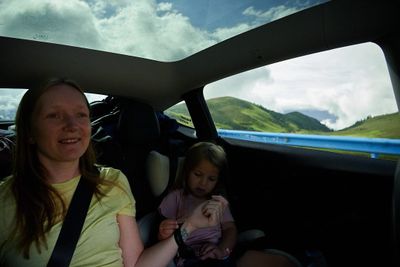
Chengdu Travel Guide: Plan Your Trip to Sichuan's Capital (2026)
Quick Summary
🗺️ Location: Sichuan Province, southwest China
⏱️ Recommended stay: 3–5 days
💲 Daily budget: $40–$100 per person
🌡️ Best time to visit: March–May or September–November
✈️ Getting there: Chengdu Tianfu International Airport (TFU); high-speed trains from all major Chinese cities
🏨 Best area to stay: Chunxi Road / Taikoo Li area
🚇 Getting around: Metro + DiDi ride-hailing
🐼 Known for: Giant pandas, Sichuan cuisine, tea house culture, modern skyline
Chengdu (成都) is the capital of Sichuan province and one of the most rewarding cities in China for independent travellers. Plan 3–5 days to see the pandas, eat some of the best food in the country, discover the tea house culture, and experience a modern Chinese city that moves at its own unhurried pace. Stay near Chunxi Road for the most central, walkable base.
Chengdu is significantly cheaper than Beijing or Shanghai — hotels cost 30–40% less, street food is everywhere, and metro rides cost ¥2–7. It's also easy to navigate independently, with a modern metro system and DiDi working smoothly throughout the city.
As featured in the Lonely Planet 2025 China guidebook. I am learning Mandarin and have visited Chengdu twice — first in 2023 and again for five days in summer 2025.
Chengdu is the city that changed how we travel China. We came the first time for two nights, planning to tick off the pandas and move on. Instead, we left wishing we'd stayed a week. Two years later we came back for five days and still felt like we barely scratched the surface.
The thing about Chengdu is that the best moments aren't the big-ticket attractions. They're the morning in Heming Tea House watching a Sichuan Opera performer while sipping gongfu cha. The hotpot dinner where your whole family dresses up in hanfu. The Twin Towers suddenly lighting up with animated whales as you round a corner at 9pm. Chengdu taught us that Chinese cities deserve as much time as the mountains and monuments — sometimes more.
If you're planning your first China trip, Chengdu pairs naturally with Chongqing (just 1.5 hours by train) and makes a perfect addition to the main tourist stops of Beijing or Xi'an. If you're a returning visitor, it's the kind of city that rewards going deeper rather than wider.
This guide covers everything you need to plan your trip.
Why Visit Chengdu
Chengdu surprised us more than any other Chinese city. Here's what makes it worth the trip:
- Pandas — Chengdu is the world's centre for giant panda conservation. Seeing real pandas at the Research Base or the quieter Dujiangyan Panda Valley is genuinely magical, even as an adult.
- Food — Chengdu is a UNESCO City of Gastronomy and the home of Sichuan cuisine. The hotpot, mapo tofu, street food and tea house culture are reason enough to visit. We ate extraordinarily well for very little money.
- Tea house culture — Chengdu's tea houses aren't tourist attractions — they're where real daily life happens. People spend hours drinking tea, playing mahjong, watching opera performances and getting their ears cleaned. People's Park is our favourite park in all of China because of this.
- Modern China — The Twin Towers light show, the Taikoo Li shopping district, the world's largest building at Global Center — Chengdu's modern side is just as fascinating as its traditions.
- Pace of life — Chengdu is famously laid-back by Chinese standards. The Sichuanese have a saying: 少不入川 (shǎo bù rù chuān) — "don't come to Sichuan when you're young, or you'll never want to leave." The city encourages slowing down, and as travellers, that's exactly what we needed.
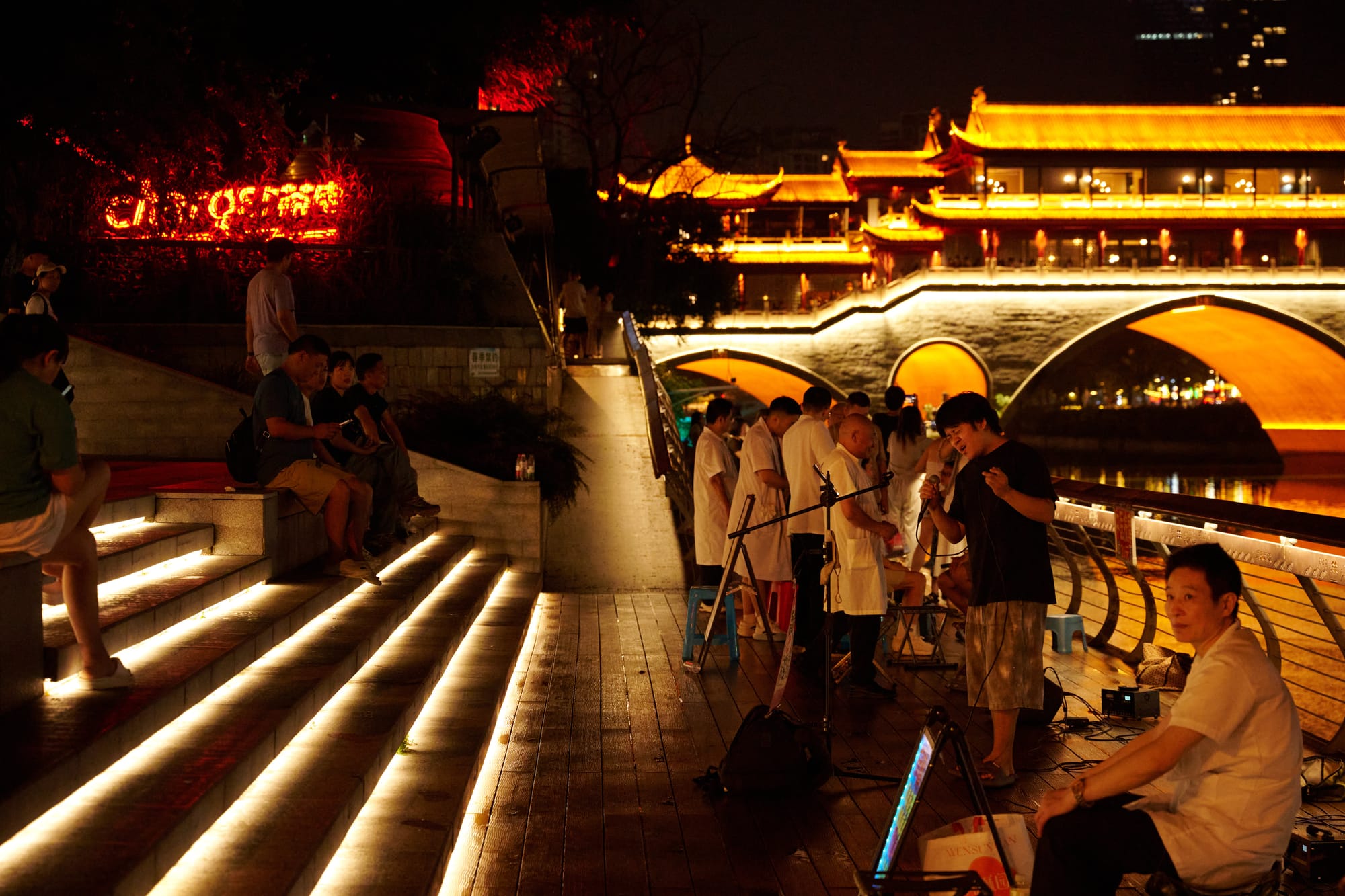
- Night Life — Young people clearly don‘t listen to the advice above as Chengdu has a looot of young people and is known for a vibrant night life scene and its LGBT community. But like in other Chinese cities, night life is not limited to bars and clubs, but also food, singing and dancing outside, so there is plenty to explore for the whole family
- Value for money — Everything costs significantly less than in Beijing or Shanghai. Hotel rooms, restaurant meals, metro rides, even Sichuan Opera tickets — your budget stretches much further here.
Chengdu also works well as a base for some of Sichuan's most spectacular sights: the Leshan Giant Buddha, Dujiangyan irrigation system, Mount Emei and Sanxingdui Museum are all reachable as day trips.
When Chengdu might not be right for you: If you're looking for imperial history and ancient monuments, Xi'an or Beijing will be more suitable. If you can't handle any spice at all (though mild options exist everywhere), you may find the food scene less exciting. And if you need a very polished, English-friendly tourist infrastructure, Shanghai is easier in that regard. Also, Chengdu gets very hot in the summer so it can be challenging at that period.
👉 See Things to Do in Chengdu for our full guide to attractions and local favourites, and Chengdu with Kids if you're travelling as a family.
Best Time to Visit
We visited Chengdu in summer both times — first in July 2023, then in August 2025 — and while we had an incredible time, the heat was intense. If you have flexibility on timing, pick a cooler month.
The best months are March–May and September–November. Spring is mild and pleasant with temperatures around 15–25°C. Autumn brings similar conditions with clearer skies and comfortable temperatures for walking.
While temperature in the summer is hard to handle, maybe it is also what makes the nights our so lively.
- Spring (March–May): Our top recommendation. Mild, pleasant, good weather for outdoor sightseeing. Pandas are active. Avoid the Labour Day holiday week (May 1).
- Summer (June–August): Hot and humid — expect 30–38°C. The pandas are less active in the heat and you'll want indoor escapes. That said, the Global Center water park and evening experiences (Twin Towers, Jinli at night) work perfectly in summer. We survived with midday breaks at the hotel.
- Autumn (September–November): Equally good as spring. Clear skies, comfortable temperatures. Avoid Golden Week (Oct 1–7) — crowds are extreme and prices spike.
- Winter (December–February): Cool and overcast, 3–10°C. Less crowded and cheaper, but grey skies and limited sunshine. Chinese New Year brings festive atmosphere but massive domestic crowds.
🧳 Trip Planning Essentials
🛫 Flights, Trains & Hotels
Book everything in one place on Trip.com.
🎟 Tours & Tickets
Skip lines with GetYourGuide or Klook.
💰 Payments
AliPay and WeChat are a must — use it with Wise card to save on fees and get better conversion rates!
📱 Stay Connected
For cheaper data access without VPN use Saily eSIM.
🚖 Airport Transfers
Traveling with luggage? Pre-book a private car pickup for a smooth arrival.
👉 See more China travel essentials
How to Get to Chengdu
- ✈️ By air: Chengdu Tianfu International Airport (TFU) opened in 2021 and handles most flights. Some domestic flights still use the older Shuangliu Airport (CTU) — double-check which terminal your flight uses. Direct flights are available from many Asian cities and select European routes.
- 🚄 By train: High-speed trains connect Chengdu to Chongqing (1.5 hrs), Xi'an (3–4 hrs), Kunming (6–7 hrs), Beijing (7–8 hrs, or night train), and Shanghai (8–10 hrs). Trains arrive at Chengdu East or Chengdu South — both have metro connections to the city centre.
- 🚕 Airport to city: The metro connects Tianfu Airport to the city centre in about 50–60 minutes (Line 18 or Line 19). A taxi or DiDi costs around ¥150–200 and takes 45–70 minutes depending on traffic. For families with luggage, a pre-booked transfer avoids the hassle of navigating with bags and kids.
💡 Tip: If you're arriving by train from Chongqing, you'll arrive at Chengdu East Station — just 3 metro stops from the Chunxi Road area.
 Magda Sawyer
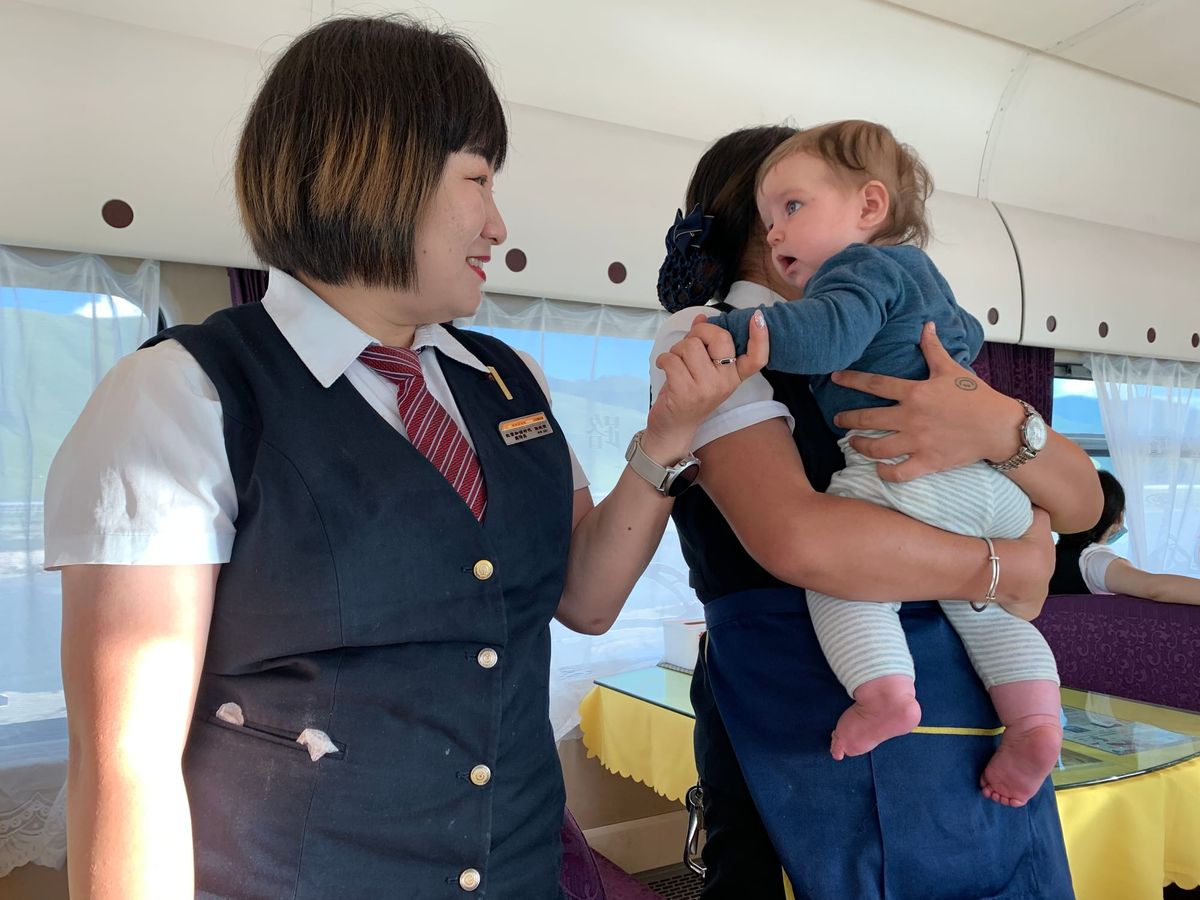 Magda Sawyer
Getting Around Chengdu
Chengdu is flat and easy to navigate — the metro covers most places you'll want to visit, and DiDi fills in the gaps.
- Metro: Clean, modern, air-conditioned. Covers the city centre and extends to the Panda Research Base (Line 3 to Panda Avenue). Use AliPay's transport function to scan in and out — no need to buy individual tickets. Rides cost ¥2–7.
- DiDi: China's ride-hailing app, accessible through a mini program in WeChat. Essential for getting to restaurants and evening destinations like the Twin Towers. Rides across the city rarely cost more than ¥20–30.
- Walking: Chengdu is flat, which makes it much more walkable than Chongqing. The Chunxi Road / Taikoo Li area, People's Park, and Wide & Narrow Alleys are all within walking distance of each other.
- For day trips: High-speed trains to Leshan and Dujiangyan depart from Chengdu East or Chengdu South stations. Check schedules on Trip.com or the 12306 app.
💡 Tip: Unlike Shanghai, Chengdu's attractions are relatively close together. If you stay in the Chunxi Road area, most city sights are within 20 minutes by metro or a quick DiDi ride.
Magda Sawyer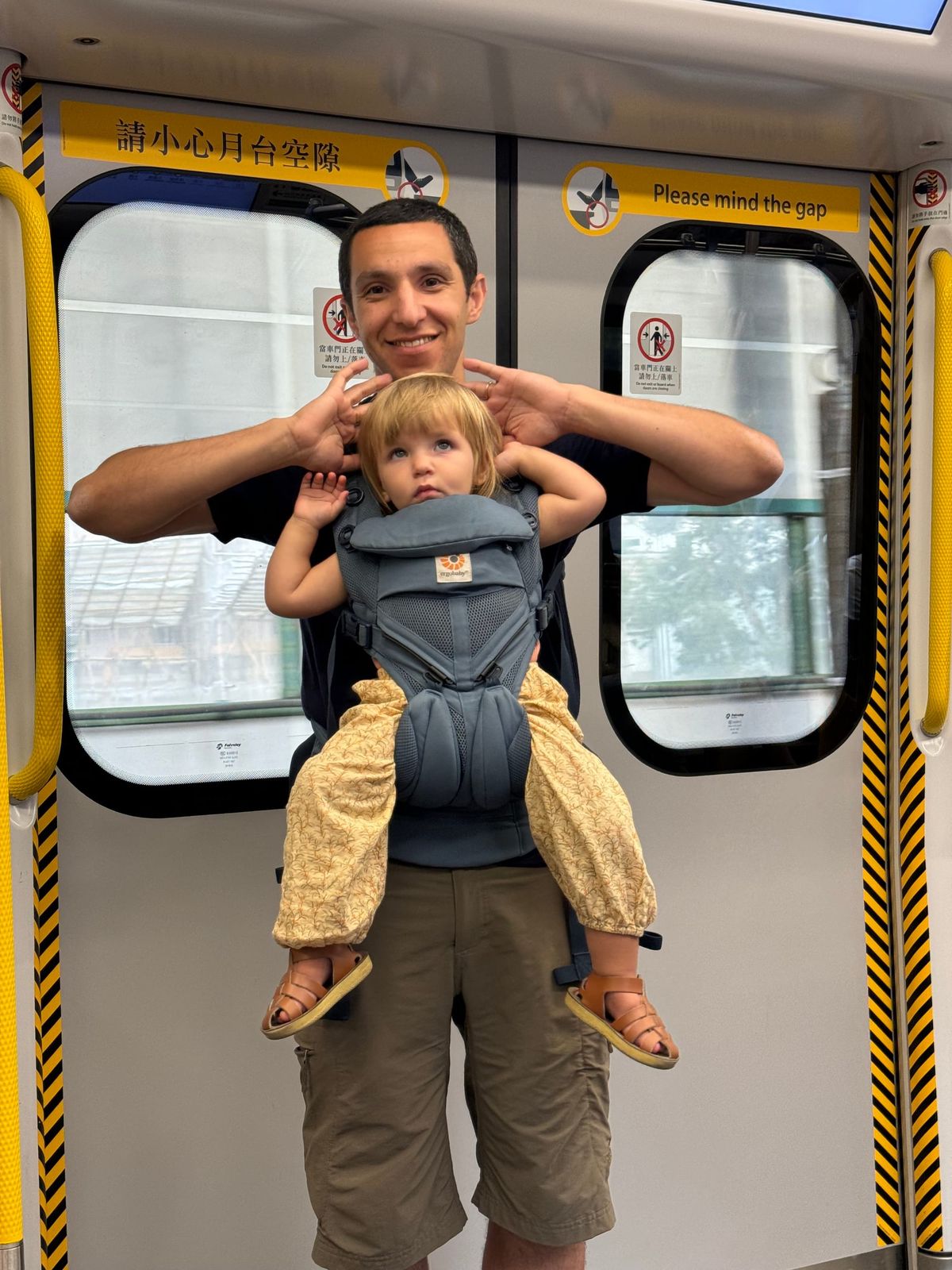 Magda Sawyer
Where to Stay in Chengdu
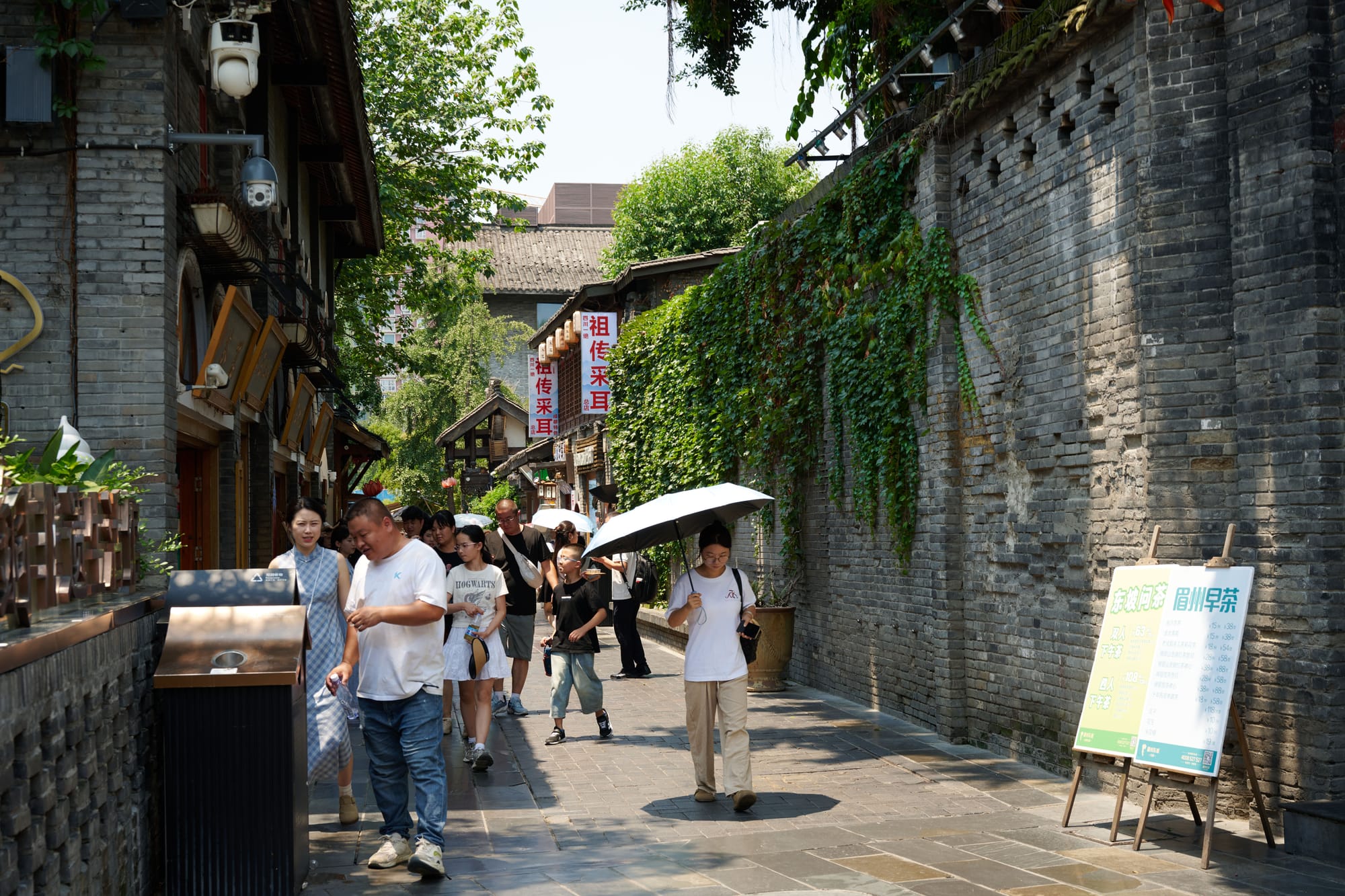
The Chunxi Road / Taikoo Li area is the best base for most visitors — walkable, well-connected to the metro, surrounded by street food, and close to the main sights. We've stayed near Chunxi Road on both our trips and can confirm it's the right call, especially for first-timers.
Different areas suit different travel styles:
- Chunxi Road / Taikoo Li: Central, lively, great food scene. Best for first-timers.
- Kuanzhai (Wide & Narrow Alleys): More atmospheric, quieter courtyards. Good for couples.
- Jinli / Wuhou area: Historic atmosphere, near Jinli Ancient Street. Good for history lovers.
- Gaoxin Hi-Tech Zone: Modern, spacious, close to the airport express. Better for longer stays or business travellers.
We stayed at the Poshpacker Flipflop Hostel near Chunxi Road during the first trip — the location is unbeatable and the rooms are spacious enough for a family of four.
On the second trip we went for more comfort
Unlike most countries, Trip.com has the widest hotel selection and best prices for China bookings.
👉 Full hotel guide → Where to Stay in Chengdu
What to Eat in Chengdu
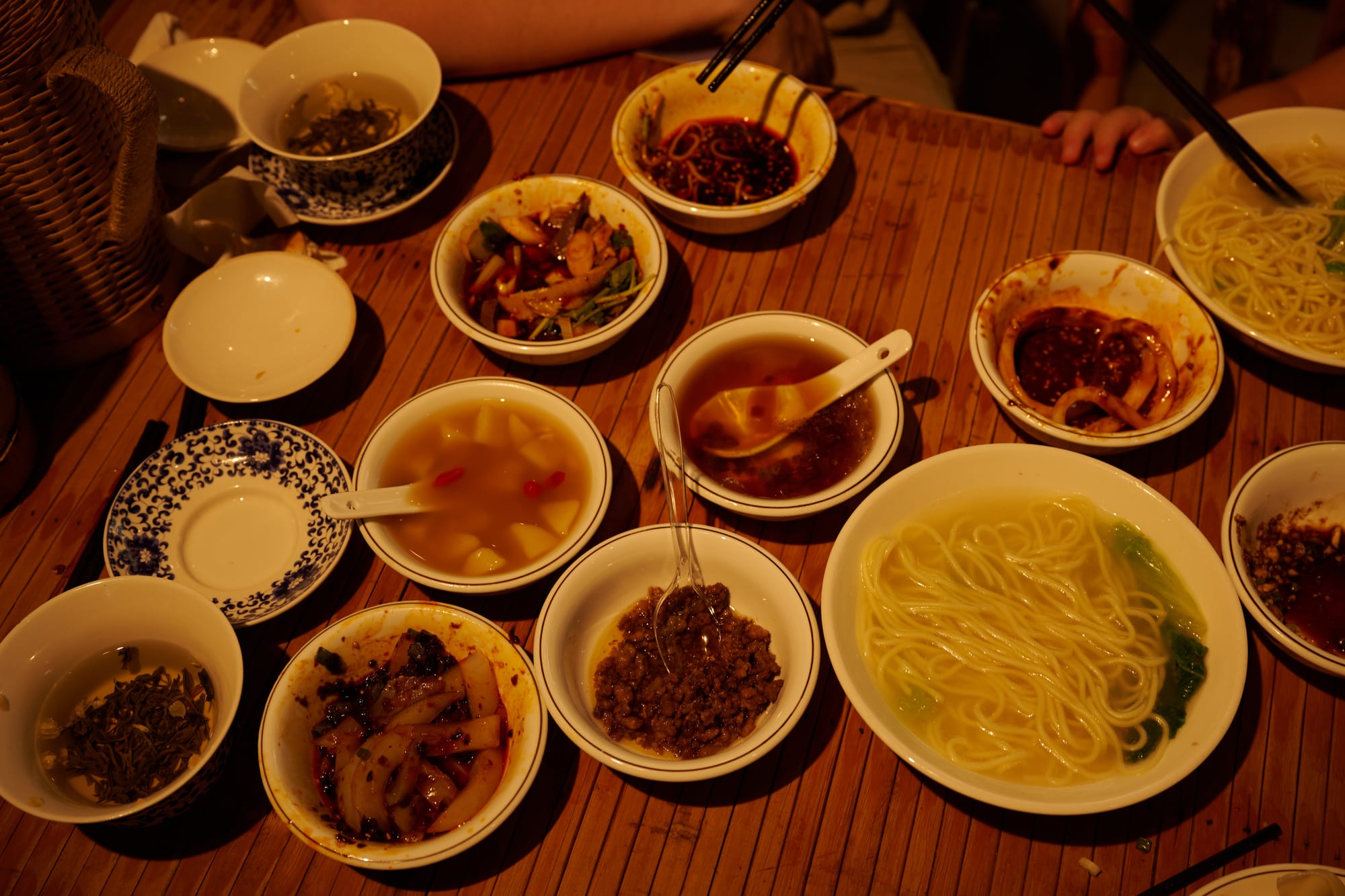
Chengdu's food scene is, honestly, one of the main reasons to visit. The city is a UNESCO City of Gastronomy and Sichuan cuisine is famous worldwide for its málà (麻辣) flavour — a combination of chilli heat and the distinctive numbing tingle of Sichuan peppercorn.
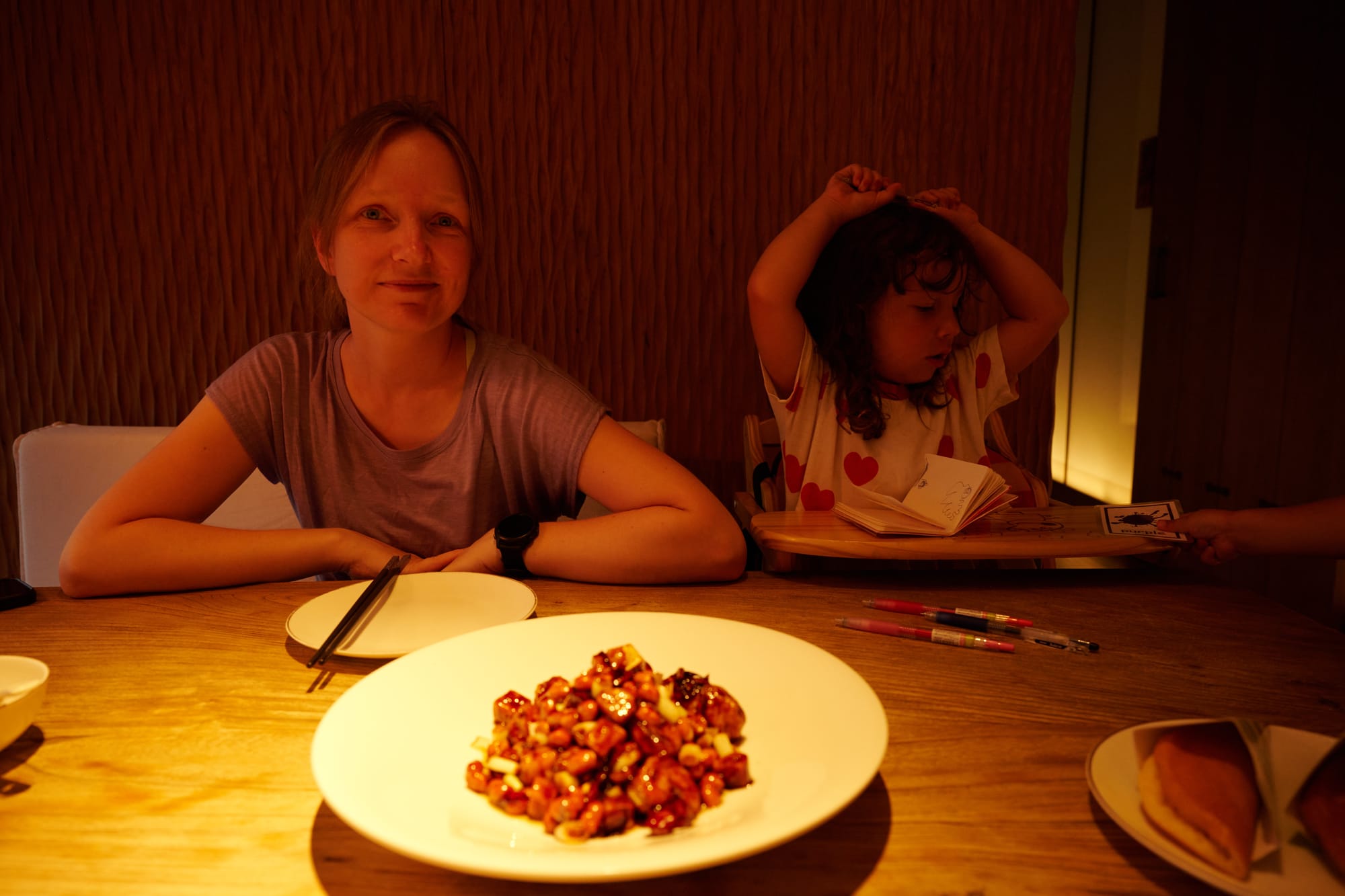
But Chengdu is not just about spice. The food culture here is remarkably varied, and you'll find mild options everywhere. Our kids managed fine, and there are always rice, noodles and dumplings as safe choices.
Our favourite Chengdu food experiences:
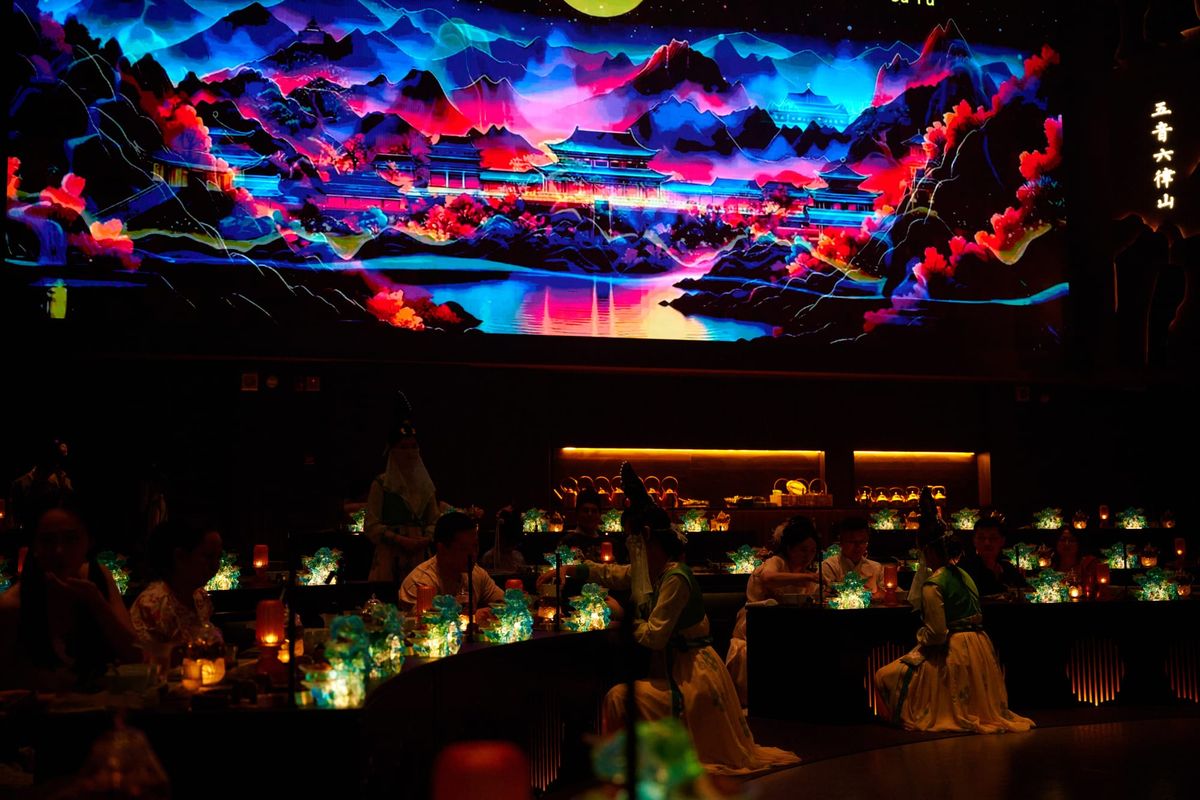
- Hotpot — Sichuan's signature communal meal. A bubbling pot of broth at the centre of the table where you cook meat, vegetables and noodles yourself. Most restaurants offer a split pot with both spicy and mild broth — perfect for families or spice-averse travellers. For a truly special evening, book the HongDingYan hanfu hotpot in the Hi-Tech Zone — you dress up in traditional clothing, eat gourmet hotpot, and watch a performance blending Sichuan opera and modern dance.
- Chen Mapo Tofu (陈麻婆豆腐) — Supposedly the birthplace of mapo tofu. Everything we ordered was excellent, not just the signature dish. For our family of four we paid 240 RMB (~$30) including drinks — remarkable value for the quality.
- Tea house culture — Not a restaurant, but a food experience in its own right. Order gongfu cha at Heming Tea House in People's Park and settle in for hours. People drink tea, play mahjong, watch Sichuan Opera performances and get their ears cleaned by wandering practitioners. This is the most authentic "local life" experience we've had anywhere in China.
- Street food — Everywhere and excellent. Chunxi Road at night is a street food paradise — no planning needed, just follow your nose. Skewers, dumplings, cold noodles, rabbit heads (if you're adventurous), sweet potato cakes — you'll find something that appeals without looking very hard.
⚠️ If you can't eat spicy food: Don't worry. Ask for bú là (不辣, not spicy) or wēi là (微辣, mildly spicy). Almost every restaurant can accommodate this, and the non-spicy dishes in Sichuan are still excellent. Hot pot restaurants with split pots are your friend.
Top Experiences in Chengdu
Chengdu is a city that rewards slowing down. The tea houses, parks and evening scenes are at least as memorable as the headline attractions.
Experiences you shouldn't miss:
- A morning with the pandas — arrive early at the Research Base, or make the trip to the quieter Dujiangyan Panda Valley
- Gongfu cha at Heming Tea House in People's Park — watching Sichuan Opera, mahjong players and ear-cleaning practitioners
- A full Sichuan Opera performance — the Bian Lian (face-changing) is extraordinary
- Hotpot dinner — ideally the hanfu experience at HongDingYan
- The Twin Towers light show after dark — start at Jiaozi Park first for the playground and promenade
- Taikoo Li + Fangsuo Commune Bookstore — modern architecture meets Chinese literary culture
Main attractions and experiences include:
- Chengdu Research Base of Giant Panda Breeding
- People's Park + Heming Tea House
- Wide & Narrow Alleys (宽窄巷子)
- Sichuan Opera (full theatre performance)
- Twin Towers + Jiaozi Park
- Taikoo Li + IFS Climbing Panda + Fangsuo Bookstore
- Jinli Ancient Street (best at night)
- Wuhou Temple (Three Kingdoms history)
- Wenshu Monastery (free, peaceful)
- Chengdu Museum (free, rainy day option)
- Global Center Paradise Island Water Park (summer escape)
- Anshun Bridge + riverside walk (evening)
📍 Full guide → Things to Do in Chengdu
Magda Sawyer Magda Sawyer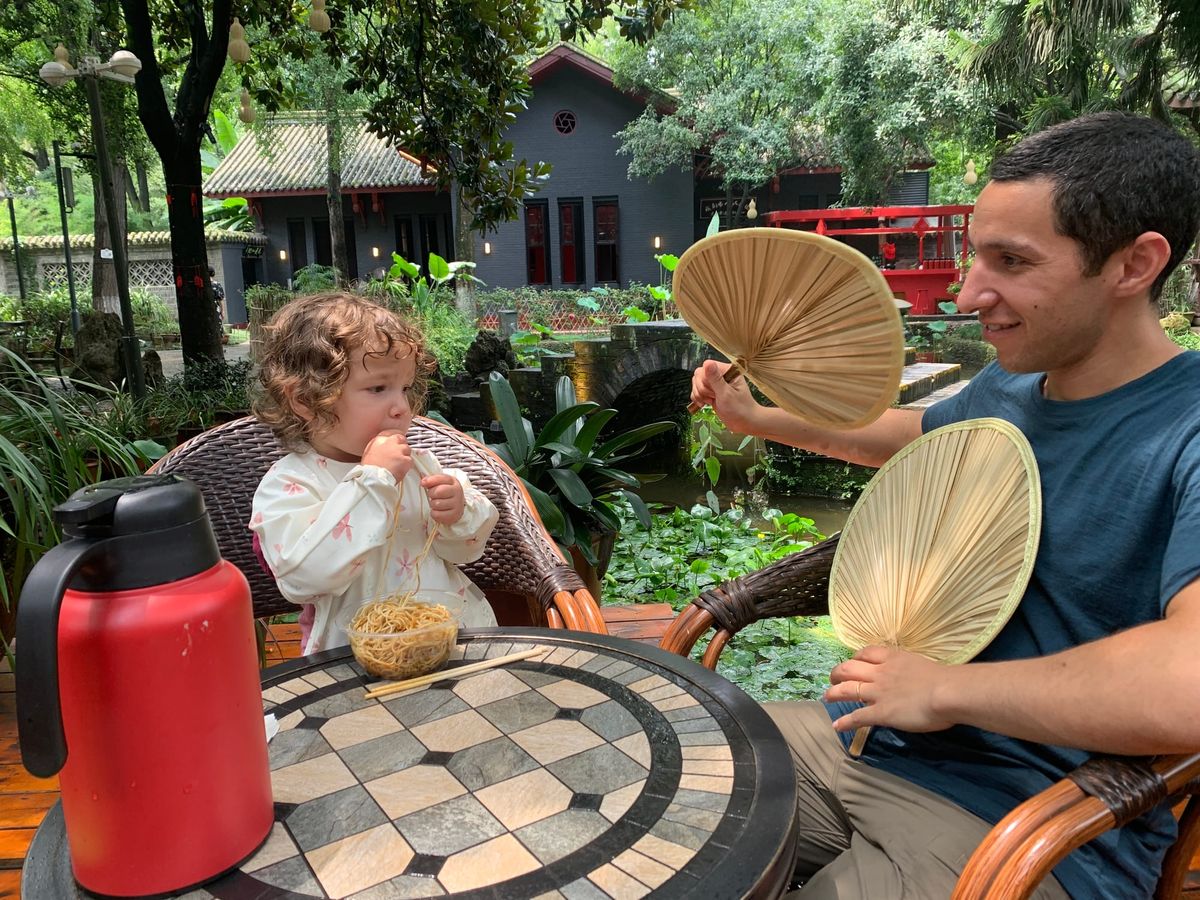
Chengdu Itinerary Ideas
How long you spend in Chengdu depends on your pace and whether you want to add day trips — but even two days gives you a taste of what makes this city special.
- 2 Days: Pandas in the morning, Taikoo Li + Chunxi Road in the afternoon. Day 2: People's Park tea house, Wide & Narrow Alleys, Sichuan Opera evening. You'll hit the highlights but wish you had more time.
- 3 Days: Add the food experiences — Chen Mapo Tofu lunch, hanfu hotpot dinner, Twin Towers light show. This is the sweet spot for most visitors.
- 4–5 Days: Add a day trip to the Leshan Giant Buddha or Dujiangyan + Panda Valley, plus a flex day to revisit favourites and discover hidden corners.
We spent five days on our second visit and still didn't feel rushed — Chengdu is the kind of city where spending an extra day drinking tea in the park is time well spent, not time wasted.
📍 Full day-by-day plan → Chengdu Itinerary: 3–5 Days
Day Trips from Chengdu
We haven't done any of these ourselves — we're the type to spend an extra day getting to know the city rather than rush off on day trips. But we know that for many travellers, these are the main reason to come to Sichuan:
- Leshan Giant Buddha — 71 metres carved into a cliff face, a UNESCO site. About 2 hours each way by train. The day trip we'd do first if we ever manage to leave the tea houses.
- Dujiangyan + Mount Qingcheng — A 2,200-year-old irrigation system that still works, and the birthplace of Taoism. About 1 hour by train. Can be combined with the quieter Dujiangyan Panda Base.
- Sanxingdui Museum — Mysterious bronze masks and gold artifacts from a vanished civilisation, 3,000–5,000 years old. About 1 hour north of Chengdu. Half day.
- Mount Emei — One of China's Four Sacred Buddhist Mountains. Full day minimum, better as an overnight. The Golden Summit at 3,000+ metres is spectacular.
For any of these, high-speed trains from Chengdu East or South make the logistics straightforward. Book tickets on Trip.com or the 12306 app.
Costs and Budgeting
Chengdu is one of the best-value major cities in China. Here's what to expect:
| Expense | Budget | Mid-Range | Comfortable |
|---|---|---|---|
| Hotel (per night) | ¥200–300 (~$28–42) | ¥400–600 (~$55–83) | ¥800+ (~$110+) |
| Food (per day) | ¥80–120 (~$11–17) | ¥150–250 (~$21–35) | ¥300+ (~$42+) |
| Transport (per day) | ¥20–40 (~$3–6) | ¥40–80 (~$6–11) | ¥100+ (~$14+) |
| Activities (total, 3 days) | ¥200–300 | ¥400–600 | ¥800+ |
| Daily total per person | $40–65 | $80–130 | $170+ |
The biggest savings compared to Beijing or Shanghai come from accommodation and food. A family dinner at Chen Mapo Tofu — enough food for four adults — cost us 240 RMB ($30 total). Metro rides are ¥2–7. Sichuan Opera tickets are around ¥150–300 depending on seats.
👉 For a full breakdown → How Much Does a Trip to China Cost?
Practical Information
Payments: Set up AliPay and WeChat Pay before your trip — they're essential for everything from metro rides to restaurant payments. Link them to a Wise card for the best exchange rates. Hotels accept international credit cards, but for daily life you'll need mobile payments. → AliPay setup guide | WeChat guide
Internet: Google, WhatsApp, Instagram and most Western apps are blocked on Chinese WiFi and local SIMs. The easiest workaround is data roaming on your home SIM — everything works normally. For a local SIM, you'll want a VPN or a Saily eSIM. → How to access Google in China
Language: English is very limited in Chengdu — less so than in Shanghai or Beijing. Download a translation app before you go. Everything is well signed in Chinese with pinyin, so basic Mandarin goes a long way. Even just knowing nǐ hǎo(你好, hello), xièxie (谢谢, thank you), and bú là (不辣, not spicy) makes a difference. → Best translation apps for China
Tickets & Bookings: Book Panda Research Base tickets in advance through WeChat — they sell out during peak season. Sichuan Opera tickets can usually be purchased same-day but booking a day ahead gets better seats. Most other attractions don't require advance booking.
Safety: Chengdu is extremely safe for tourists. Like all major Chinese cities, crime rates are low and public spaces are well-monitored. The biggest "risk" is locals wanting to practice their English or take selfies with your kids.
Visa: China currently offers visa-free transit (up to 240 hours) for many nationalities, and has expanded visa-free entry agreements with several countries. Check the latest requirements for your passport before booking. → China visa-free entry guide
Where to Go Next
Chengdu connects easily to other destinations — here are the routes that make the most sense:
🚄 Chongqing — Just 1.5 hours by high-speed train. China's most dramatic city — a vertical maze built across steep mountains where trains pass through apartment buildings. The two cities pair naturally and most travellers visit both. Plan 3 days Chengdu + 3 days Chongqing for a great week in Sichuan. → Chongqing Travel Guide | Where to Stay in Chongqing
🚄 Xi'an — 3–4 hours by high-speed train. A completely different chapter — Terracotta Warriors, ancient city walls, Muslim Quarter street food. The Chengdu + Xi'an combination works beautifully: laid-back tea house culture followed by imperial history. → Where to Stay in Xi'an | Xi'an with Kids
✈️ Kunming & Yunnan — About 2 hours by flight or 6–7 hours by train. The gateway to Yunnan province: Dali, Lijiang, Tiger Leaping Gorge and the spectacular rice terraces. For travellers with more time who want China's most diverse landscapes. → Where to Stay in Kunming | Yunnan with Kids
🚄 Changsha — About 5 hours by high-speed train. Hunan's vibrant capital — excellent street food, Orange Island, and a good stop between Sichuan and eastern China. → Where to Stay in Changsha
→ How to buy train tickets in China | Plan your China itinerary
FAQs
Q: Is Chengdu worth visiting?
A: Chengdu was the city that surprised us most on our first China trip. Between the pandas, the food, the tea house culture and the relaxed atmosphere, it offers something genuinely different from Beijing or Shanghai. It's also significantly cheaper. We've been twice and would go back again.
Q: How many days do you need in Chengdu?
A: Three to five days is ideal. Three days covers the city highlights comfortably — pandas, People's Park, Sichuan Opera, the food scene and the Twin Towers. With four to five days you can add a day trip to Leshan Giant Buddha or Dujiangyan and still have time for unstructured exploring.
Q: What's the best time of year to visit Chengdu?
A: Spring (March–May) or autumn (September–November). We visited in summer both times and it was prohibitively hot — still a lot of fun, but cooler months are better if you have the choice. Avoid Golden Week (Oct 1–7) and Chinese New Year unless you enjoy extreme crowds.
Q: Is the food really that spicy?
A: Sichuan cuisine is famous for its málà flavour — chilli heat plus a numbing tingle from Sichuan peppercorn. But not everything is fiery. You can always ask for bú là (不辣, not spicy) or choose hotpot with a split pot (half spicy, half mild). Our kids ate comfortably on every meal.
Q: Can I visit Chengdu independently without a tour?
A: Absolutely — Chengdu is one of the easiest Chinese cities for independent travel. The metro covers the main attractions, DiDi is reliable, and setting up AliPay handles most payments. You don't need a guide or an organised tour for anything in the city itself. Day trips to Leshan or Dujiangyan are also straightforward by train.
Q: Which panda base should I visit?
A: The Chengdu Research Base is closer (metro + shuttle bus from the city centre) but gets very crowded, especially in summer. Dujiangyan Panda Valley is further out but offers a more natural, less touristy experience. If you only have time for one, the Research Base is the easier logistics. → Our complete Panda Research Base guide
Q: Is Chengdu good for families?
A: Very much so. The pandas are an obvious hit, but our kids also loved People's Park, the Global Center water park, the Twin Towers light show and dressing up in hanfu for hotpot. The city is flat and easy to navigate with a stroller. → Chengdu with Kids
Q: Should I combine Chengdu with Chongqing?
A: They pair perfectly — 1.5 hours apart by high-speed train, and the two cities offer completely different experiences. Chengdu is laid-back, food-focused and flat; Chongqing is dramatic, vertical and neon-lit. Plan 3 days in each for a great week. We recommend starting with Chengdu — the relaxed pace is a better way to ease into Sichuan.
Plan Your Trip to Chengdu
🏨 Where to stay: Where to Stay in Chengdu — Best Areas & Hotels
🐼 Panda visit: Visiting the Panda Research Base
🌳 People's Park: People's Park — Where Real Local Life Happens
🎯 All attractions:Best Things to Do in Chengdu
🗓️ Day-by-day plan: Chengdu Itinerary: 3–5 Days
👨👩👧 Family guide:Visiting Chengdu with Kids
💰 Budget: How Much Does a Trip to China Cost?
📱 Essential apps: Apps You Need for Traveling in China
✈️ Book flights: Find flights to Chengdu
🏨 Book hotels: Search Chengdu hotels on Trip.com
🎟️ Book tours & activities: Chengdu tours on Klook
Chengdu is the kind of city that changes how you think about travelling in China. Before our first visit, we thought Chinese cities were just transit stops between the mountains and monuments. Chengdu proved us wrong — and two visits later, we're already planning when to go back.
Have questions about planning your Chengdu trip? Drop a comment below or send me a message — I'm happy to help.
Happy travels! Magda 🐼
Last updated: July 2026